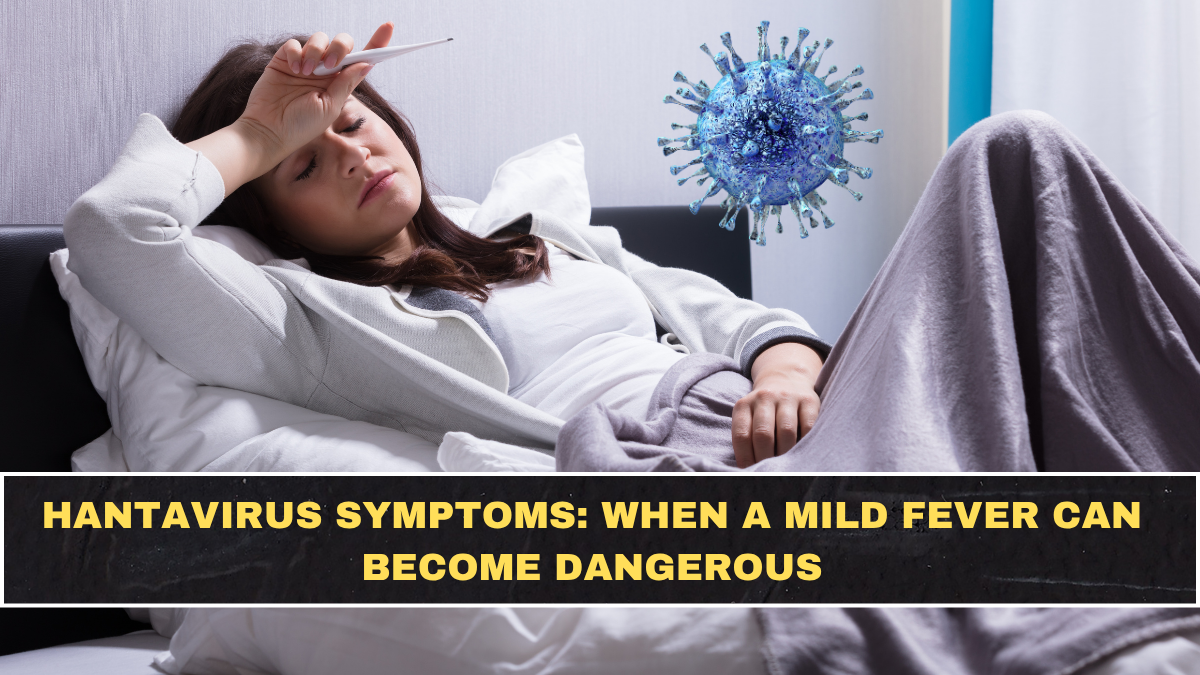
Hantavirus symptoms are dangerous because they can begin like a normal fever, flu, stomach infection, or tiredness. That is exactly why people may ignore the early stage and only take it seriously when breathing problems begin. The current cruise-ship-linked cluster has made people search for warning signs, but the right response is awareness, not panic.
The World Health Organization reported that the recent cruise-linked cases involved fever, gastrointestinal symptoms and rapid progression to pneumonia, acute respiratory distress syndrome and shock. That pattern shows why early symptoms should not be dismissed if there has been possible rodent exposure or close contact with a confirmed outbreak-linked case.
What Are The Early Symptoms?
CDC says early hantavirus pulmonary syndrome symptoms may include fatigue, fever and muscle aches, along with headaches, dizziness, chills and stomach problems such as nausea, vomiting, diarrhoea and abdominal pain. These symptoms can look ordinary, which makes the disease tricky in the first phase.
The blunt truth is that fever alone does not mean hantavirus. Most fevers are caused by common infections, weather changes or seasonal illness. But if fever appears after contact with rodents, rodent droppings, dusty closed spaces, or an outbreak-linked travel exposure, then ignoring it becomes a bad decision.
| Stage | Possible Symptoms | Why It Matters |
|---|---|---|
| Early Stage | Fever, tiredness, muscle pain, headache | Can look like normal flu |
| Stomach Symptoms | Nausea, vomiting, diarrhoea, abdominal pain | May confuse people as food poisoning |
| Warning Stage | Cough, chest tightness, shortness of breath | Signals possible lung involvement |
| Severe Stage | Pneumonia, respiratory distress, shock | Needs urgent medical care |
| Risk Trigger | Rodent exposure or outbreak-linked contact | Helps doctors suspect hantavirus |
When Does It Become Dangerous?
CDC says late symptoms of hantavirus pulmonary syndrome can appear four to ten days after the initial illness phase. These can include coughing, shortness of breath and tightness in the chest as the lungs begin filling with fluid. This is the stage where a mild-looking illness can suddenly become life-threatening.
This is why waiting too long is risky. If breathing difficulty begins after fever and body pain, especially after possible exposure, medical help should be taken quickly. Hantavirus pulmonary syndrome can be deadly, and CDC notes it can be fatal in nearly four in ten infected people who develop severe disease.
How Does Hantavirus Spread?
Hantaviruses mainly spread from rodents to humans. CDC says infection can happen when fresh rodent urine, droppings, saliva or nesting material is disturbed and virus particles enter the air. A person may breathe in that contaminated air or get exposed through cuts, eyes, nose, or mouth.
Most hantaviruses do not spread easily from person to person. However, the Andes virus strain, linked to the recent cruise-ship concern, is unusual because rare human-to-human spread can happen through close and prolonged contact. That does not make it Covid-like, but it does make contact tracing important during outbreak investigations.
Who Should Be More Careful?
People who live, work, clean, or travel in places with rodent activity should be more alert. This includes those cleaning closed rooms, sheds, farm storage areas, cabins, warehouses or dusty spaces where rats or mice may have left droppings. The risk rises when people sweep or disturb dry waste without protection.
Be extra careful if you notice:
- Fever after cleaning a rodent-infested area
- Body pain with stomach symptoms after possible exposure
- Cough or breathlessness after a few days of fever
- Symptoms after contact with an outbreak-linked traveller
- Chest tightness, weakness, dizziness, or rapid worsening
What Should You Do If Symptoms Appear?
Do not self-diagnose from social media. If symptoms are mild and there is no exposure history, it may be something common. But if there is possible rodent exposure and fever begins, tell a doctor clearly about that exposure. Doctors cannot connect the dots if patients hide or forget the most important clue.
If breathing difficulty, chest tightness, severe weakness, or rapid worsening appears, seek urgent medical care. CDC says early treatment can improve the chances of recovery, so delaying care because “it is only fever” can be dangerous. This is one disease where timing matters.
Conclusion?
Hantavirus symptoms can be misleading because the illness often begins with normal-looking fever, tiredness, body pain and stomach trouble. The danger starts when the infection progresses toward cough, shortness of breath, chest tightness and severe lung problems. That is why exposure history matters as much as the symptoms themselves.
The correct response is not panic, but serious awareness. Most people with fever do not have hantavirus, and the general public risk from the current cruise-linked cluster remains low according to health agencies. Still, anyone with rodent exposure or outbreak-linked contact should not ignore worsening symptoms.
FAQs?
What Are The First Symptoms Of Hantavirus?
The first symptoms can include fever, tiredness, muscle aches, headache, dizziness, chills and stomach problems. Some people may also experience nausea, vomiting, diarrhoea or abdominal pain. These symptoms can look like flu or food poisoning, which is why exposure history is very important.
When Should Hantavirus Symptoms Become A Medical Emergency?
Hantavirus symptoms become more urgent if cough, shortness of breath, chest tightness, severe weakness, or rapid worsening appears after the early fever stage. These may signal lung involvement. Anyone with possible rodent exposure and breathing trouble should seek medical care quickly.
Can Hantavirus Spread From Person To Person?
Most hantaviruses mainly spread from rodents to humans and do not easily spread between people. However, the Andes virus strain can rarely spread through close and prolonged human contact. That is why outbreak-linked cases need isolation, monitoring and contact tracing.
How Can People Reduce Hantavirus Risk?
People can reduce risk by controlling rodents, sealing food, avoiding direct contact with droppings and cleaning rodent-prone areas safely. Dry sweeping of rodent waste should be avoided because it can stir contaminated dust into the air. Protective cleaning and proper ventilation are important in risky areas.