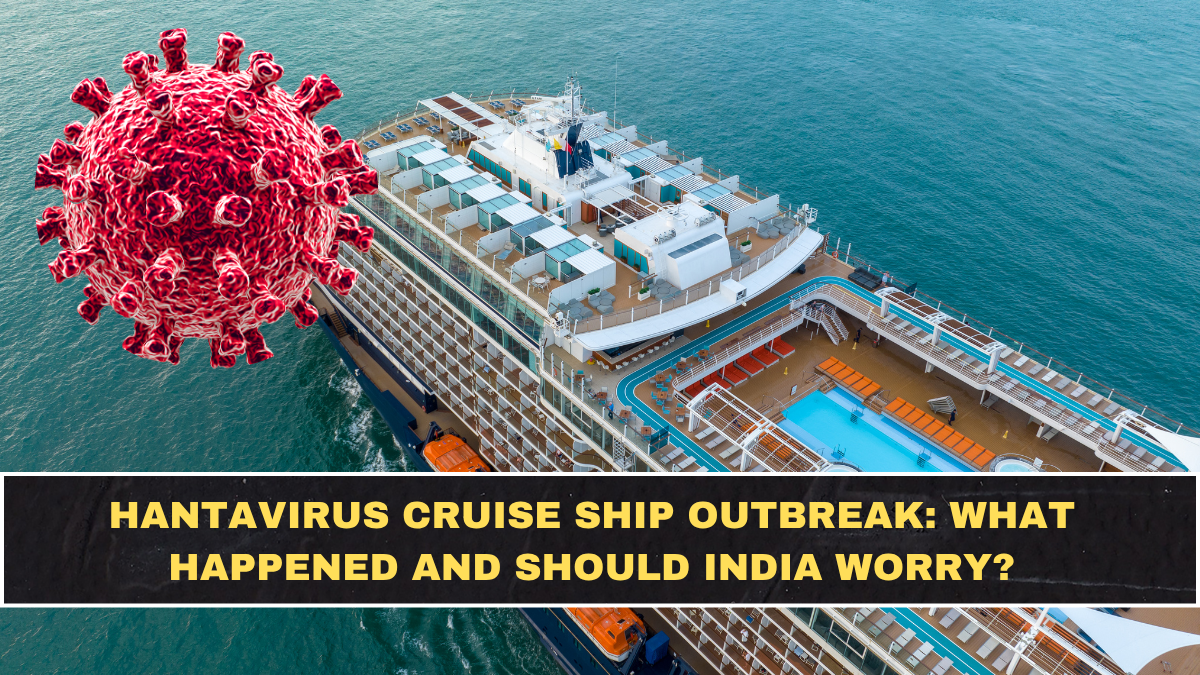
The hantavirus cruise ship outbreak has triggered global concern because it involves a rare but serious virus linked to severe respiratory illness. The World Health Organization said a cluster of hantavirus cases was reported on the MV Hondius, a cruise ship in the Atlantic Ocean. As of May 7, 2026, WHO said eight cases had been reported, including three deaths, with five confirmed as hantavirus.
The fear is understandable, but panic is not useful. WHO has clearly said the wider public health risk remains low, even though more cases may appear because the incubation period can be long. This is not behaving like Covid-19, and treating it like another pandemic scare would be lazy and misleading.
What Happened On The MV Hondius?
The MV Hondius had been linked to a cruise route connected with South America and later Atlantic stops. WHO said the cluster was first reported on May 2, 2026, after passengers developed severe respiratory illness. Earlier WHO disease-outbreak updates said the ship had 147 passengers and crew, with cases including deaths, severe illness and mild symptoms.
Reuters reported that Singapore isolated and tested two residents after exposure linked to the same cruise outbreak. The two men had reportedly been on the same flight as a confirmed case who later died in South Africa. This shows why health authorities are tracing contacts carefully even though the general public risk is still considered low.
| Key Detail | Current Situation |
|---|---|
| Ship Name | MV Hondius |
| Virus | Hantavirus, linked to Andes virus strain reports |
| Reported Cases | 8 cases reported by WHO |
| Confirmed Cases | 5 confirmed as hantavirus |
| Deaths | 3 deaths reported |
| Public Risk | WHO says wider risk remains low |
What Is Hantavirus?
Hantaviruses are a group of viruses usually carried by rodents. Humans can get infected after contact with rodent urine, droppings, saliva, or contaminated dust. In some cases, the illness can become severe and affect the lungs, causing what is known as hantavirus pulmonary syndrome.
The Andes virus strain is important because it is one of the rare hantaviruses that can spread between people through close and prolonged contact. That does not mean it spreads like Covid-19 through casual public exposure. WHO and health experts are treating this outbreak seriously, but they are not describing it as the start of a Covid-like pandemic.
Should India Worry Now?
India should stay informed, not afraid. There is no reason for ordinary people in India to panic because this outbreak is linked to a specific cruise cluster, not uncontrolled community spread. The biggest concern is for passengers, crew, close contacts and people exposed during travel linked to the infected group.
However, India should not ignore the story completely. Global travel can move infections across borders, and rare diseases become harder to control when people dismiss early warnings. The smart response is surveillance, contact tracing, clear airport health communication and public awareness about rodent-borne disease prevention.
What Symptoms Should People Watch?
Hantavirus can begin with symptoms that look ordinary, which is why people may not realise the risk early. Fever, body pain, headache, fatigue, stomach discomfort and dizziness can appear first. In severe cases, breathing difficulty and lung-related complications can develop later.
People should not self-diagnose after reading viral posts. Medical attention is needed if someone has symptoms after possible rodent exposure or after close contact with a confirmed outbreak-linked patient. The biggest mistake would be either panic or total carelessness, because both can create avoidable risk.
Watch for these warning signs:
- Fever with severe tiredness after possible exposure
- Muscle pain, headache, chills or dizziness
- Nausea, vomiting, stomach pain or diarrhoea
- Cough, chest tightness or breathing difficulty
- Symptoms after travel linked to a confirmed outbreak cluster
Conclusion?
The hantavirus cruise ship outbreak is serious because it has caused confirmed infections and deaths, but it is not a Covid-style global panic situation. WHO has confirmed cases linked to the MV Hondius and health agencies are tracing contacts across countries. That is exactly what should happen in a contained but sensitive outbreak.
For India, the correct response is awareness, not fear. Ordinary people do not need to panic, but they should understand that rodent-borne viruses can become dangerous if ignored. The real lesson is simple: clean surroundings, safe food storage, rodent control and verified health information matter far more than viral panic.
FAQs?
What Is The Hantavirus Cruise Ship Outbreak?
The outbreak refers to a cluster of hantavirus cases linked to the MV Hondius cruise ship. WHO said eight cases had been reported by May 7, 2026, including three deaths, with five confirmed as hantavirus. Health agencies are tracing passengers, crew and close contacts connected to the outbreak.
Is Hantavirus Like Covid-19?
No, hantavirus is not like Covid-19 in its usual spread. It is mainly linked to rodents and contaminated rodent waste, while only some strains, such as Andes virus, can rarely spread between people through close contact. WHO has said this is not the start of another Covid-like pandemic.
Should People In India Be Worried?
People in India should be aware but not panic. There is no sign from current reports that this outbreak is spreading widely in India. The risk is mainly connected to people directly exposed to the cruise cluster or close contacts of confirmed cases.
How Can Hantavirus Be Prevented?
Prevention mainly means avoiding contact with rodents and their droppings. People should seal food properly, clean rodent-prone areas carefully, avoid sweeping dry droppings into the air and use protective measures while cleaning. If symptoms appear after possible exposure, medical help should be taken quickly.