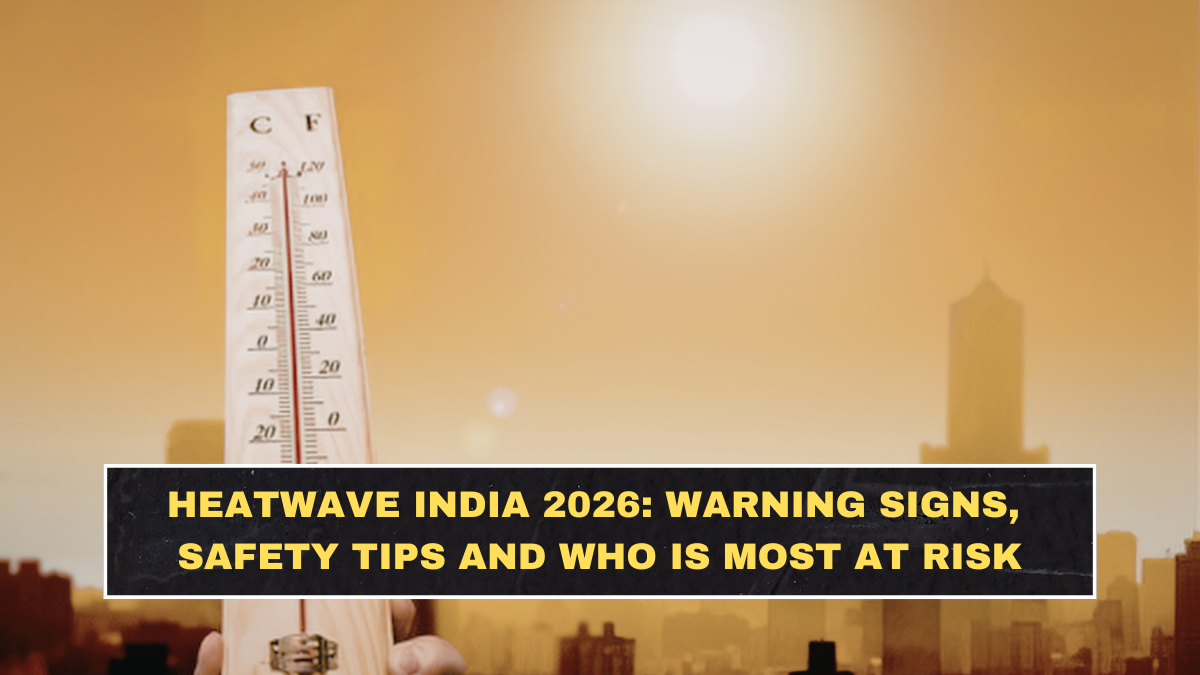
Heatwave India 2026 is becoming a serious concern because several parts of the country are already facing extreme summer conditions in April. The India Meteorological Department’s April 23 update warned that heatwave conditions were likely over the plains of northwest India, central India and eastern India during the coming days. IMD also flagged heatwave risk for isolated pockets of Punjab, Haryana, Chandigarh, Delhi, west Uttar Pradesh, Rajasthan, Madhya Pradesh and other regions in its extended outlook.
This is not just uncomfortable weather. Heatwaves can affect health, work, school routines, electricity demand, farming and daily travel. The National Disaster Management Authority says heatwaves usually occur between March and June in India and can create physiological stress, sometimes even causing death. That is why heatwave alerts should not be treated like normal summer headlines.
What Is A Heatwave In Simple Words?
A heatwave means a period of abnormally high temperature compared with the normal maximum temperature of that region. In simple language, it is not only about one hot day. It becomes more serious when the heat stays unusually high and people do not get enough relief, especially during afternoon hours and hot nights.
IMD’s heatwave guidance also uses colour-coded warnings. A yellow alert means people should stay updated, while orange and red warnings require stronger action and preparedness. This matters because many people wait until they feel sick before taking heat seriously. That is a mistake. By the time dizziness, confusion or fainting starts, the body may already be under serious stress.
| Heat Alert Level | What It Means | What People Should Do |
|---|---|---|
| Green | Normal conditions | Continue usual routine with basic hydration |
| Yellow | Heat alert likely | Stay updated, avoid unnecessary afternoon travel |
| Orange | Severe heat alert | Be prepared, reduce outdoor work, protect vulnerable people |
| Red | Extreme heat risk | Take strong action, avoid exposure, follow local advisories |
| “Feels-like” heat | Heat feels worse due to humidity and wind | Watch body stress, not only thermometer reading |
Why Does “Feels-Like” Temperature Matter So Much?
“Feels-like” temperature matters because the body does not respond only to the number shown on a thermometer. Humidity, wind speed, direct sunlight and lack of shade can make 39°C feel much more dangerous. IMD has introduced an experimental “feels-like index” in areas like Nagpur and Vidarbha to better capture actual heat stress by combining temperature, humidity and wind conditions.
This is important for states like Kerala and coastal regions where humidity can make heat feel unbearable even when the recorded maximum temperature looks lower than desert regions. A person can suffer heat stress in humid weather because sweat does not evaporate properly. So, if someone says “it is only 37°C,” they may be missing the bigger risk. The body cares about heat load, not casual comparisons.
Which States Are Facing Heatwave Alerts?
Current heatwave alerts have been reported across multiple regions. IMD’s April 23 guidance said heatwave conditions were likely over northwest India, central India and eastern India in the next few days. Jharkhand districts such as Bokaro, Dhanbad, Jamtara and Dumka were also under heatwave alert, while Kerala issued caution in some districts due to heat and humidity stress.
Rajasthan has also seen extreme heat, with Sriganganagar reported at 44.5°C, making it one of the hottest places in India during this spell. Delhi forecasts also pointed to temperatures staying around the 41°C to 44°C range through late April. These numbers are not small seasonal discomforts; they are conditions that can become dangerous for outdoor workers, children and elderly people.
Who Is Most At Risk During A Heatwave?
The most vulnerable groups are elderly people, children, pregnant women, outdoor workers, people with chronic illness, people without access to cooling and those living in poorly ventilated homes. Kerala’s heat alert advisory specifically asked people to take special care of elderly people, children, pregnant women and those with health issues.
Outdoor workers are also at high risk because they cannot always avoid peak heat hours. Construction workers, delivery riders, traffic police, street vendors, farmers and sanitation workers face repeated exposure. The uncomfortable truth is that heatwaves hurt poorer people more. A person with AC, water access and flexible work can protect themselves better than someone standing outside for wages.
What Are The Warning Signs Of Heat Exhaustion And Heatstroke?
Heat exhaustion can start with heavy sweating, weakness, headache, dizziness, nausea, muscle cramps and fast heartbeat. If ignored, it can move toward heatstroke, which is far more dangerous. Heatstroke warning signs include confusion, fainting, very high body temperature, dry or hot skin, seizures or loss of consciousness. At that point, urgent medical help is needed.
People should not act tough during extreme heat. That attitude is dangerous. If someone feels dizzy, confused or unusually weak, they should stop activity, move to shade or a cool room, drink water slowly and cool the body with wet cloths. If symptoms are severe, medical help should be taken immediately. Heatstroke is not a “rest for five minutes” problem.
What Safety Steps Should People Follow During Heatwave Days?
NDMA advises people to avoid going out during peak heat hours, especially around noon to 3 PM, and to stay hydrated, cover the head, wear light-coloured loose cotton clothes and avoid strenuous outdoor activity. Kerala’s advisory also asked residents to avoid outdoor activities between 11 AM and 3 PM during extreme heat and humidity.
The practical rule is simple. Drink water before you feel thirsty, avoid alcohol and excessive tea or coffee, use ORS or lemon water if sweating heavily, and keep children indoors during peak heat. Do not leave children, elderly people or pets inside parked vehicles. Also, check on neighbours who live alone. Heat safety is not only personal; it is community responsibility.
How Can Homes Stay Cooler Without High Electricity Bills?
Homes can stay cooler by blocking direct sunlight, using curtains, keeping windows shaded, improving cross-ventilation during cooler hours and avoiding cooking during peak afternoon heat. Fans help with airflow, but they may not be enough when the room is extremely hot. Cool showers, wet cloths and staying on lower floors can help reduce body heat.
AC is useful during severe heat, but not everyone can afford it. That is why low-cost cooling habits matter. Use fans with open ventilation when outside air is cooler, keep drinking water accessible, and avoid unnecessary appliance heat during the afternoon. If electricity cuts happen, people should move to shaded community spaces, public cooling areas or relatives’ homes when possible.
Conclusion?
Heatwave India 2026 is not just another summer story. IMD alerts across northwest, central and eastern India show that extreme heat is already becoming a daily health risk in several regions. The danger is higher because heat does not always look dramatic like floods or storms, but it can quietly harm the body and become fatal.
The smart response is early prevention. Avoid peak heat, stay hydrated, protect vulnerable people, watch warning signs and follow IMD and local advisories. Do not wait until someone collapses to take action. In a heatwave, small decisions like drinking water, staying indoors and avoiding afternoon exposure can prevent serious health emergencies.
FAQs
What Is A Heatwave In India?
A heatwave is a period of abnormally high temperatures compared with the normal maximum temperature of a region. It usually happens in India between March and June, though in some cases it can extend into July.
Which People Are Most At Risk During A Heatwave?
Elderly people, children, pregnant women, outdoor workers, people with chronic illness and people without access to cooling are most at risk. They should avoid peak heat and stay hydrated.
What Time Should People Avoid Going Outside?
People should avoid going outside during peak heat hours, especially from noon to 3 PM. Some state advisories also recommend avoiding outdoor activity from 11 AM to 3 PM during severe heat.
What Are The Warning Signs Of Heatstroke?
Warning signs include confusion, fainting, very high body temperature, seizures, hot skin and loss of consciousness. Heatstroke is a medical emergency and needs urgent help.