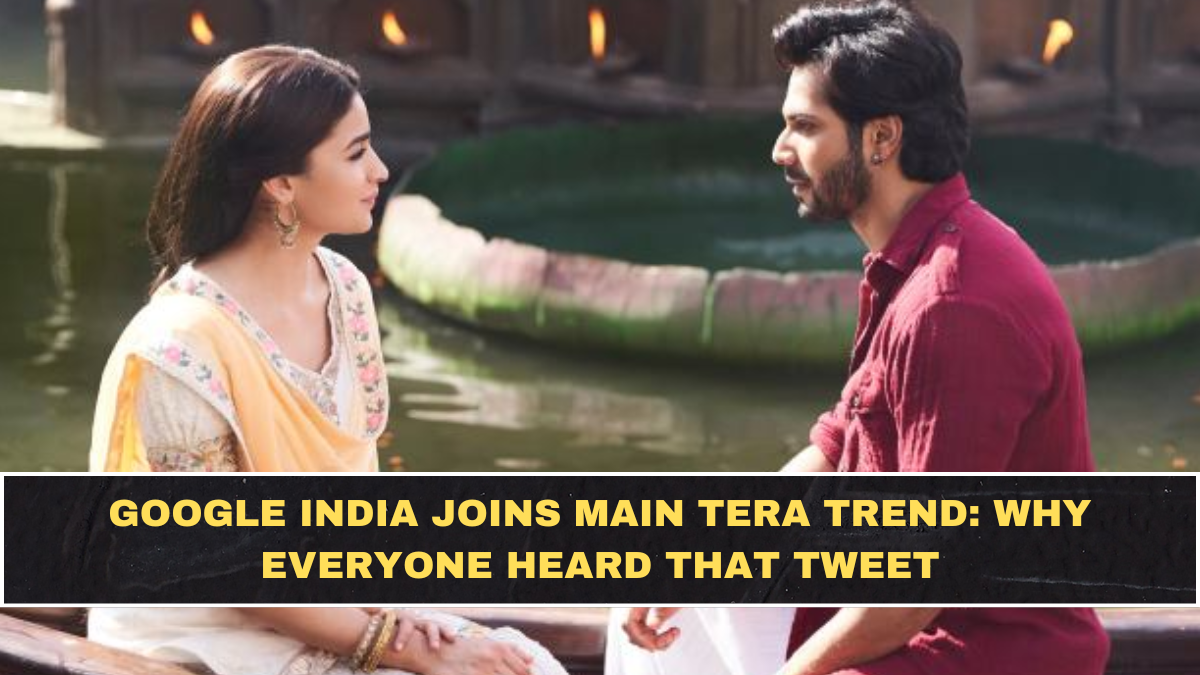
Google India joined the annual “Main Tera” trend on May 13 with a post that instantly connected with Bollywood fans online. The brand reportedly posted “You can hear this tweet,” playing on the way “May 13” sounds like “Main Tera” when spoken in a Hindi-style pronunciation. That tiny wordplay was enough to trigger memes, nostalgic replies and filmy reactions across social media.
The reason this worked is simple: the joke was already alive before Google entered it. Every year, May 13 becomes an unofficial internet moment because fans connect the date with the romantic “Main Tera” lyric from the 2019 film Kalank. Google India did not create the trend; it smartly joined at the perfect time and gave the meme a bigger brand-powered push.
What Is The Main Tera Trend?
The “Main Tera” trend is an internet joke built around sound. When users say “May 13” quickly, it resembles “Main Tera,” a romantic Bollywood phrase that became linked with the Kalank song. Over time, fans turned the date into a mini social media festival filled with edits, reels, couple posts, jokes and emotional captions.
This is exactly how Indian internet culture works at its best. A simple date becomes a song reference, the song becomes a meme, and the meme becomes a yearly ritual. The trend is not official, but it does not need to be. Its power comes from people understanding the joke without needing a serious explanation.
| Viral Element | What Happened? | Why It Worked? |
|---|---|---|
| Date hook | May 13 sounds like “Main Tera” | Easy wordplay |
| Bollywood link | Connected to Kalank song | Strong nostalgia |
| Google India post | “You can hear this tweet” | Smart brand timing |
| Fan reaction | Memes and filmy replies | High shareability |
| Trend type | Annual internet joke | Recurring viral value |
Why Did Everyone “Hear” The Tweet?
The phrase “You can hear this tweet” worked because the post triggered an audio memory. Users did not need the song to be embedded or explained. The moment they saw the date and the caption, many mentally heard the “Main Tera” lyric, which made the tweet feel clever and instantly relatable.
This is the kind of brand post that succeeds because it does not try too hard. Many companies ruin memes by over-explaining them or forcing slang. Google India’s post worked because it trusted the audience to understand the reference. That made people feel like they were part of an inside joke, not just being marketed to.
Why Are Brands Chasing These Trends?
Brands chase trends like this because cultural timing can create huge attention without heavy advertising. A well-timed meme post can make a company look human, updated and connected to youth culture. Google India’s participation turned an already viral Bollywood joke into a bigger conversation across entertainment, tech and meme pages.
But there is a catch. Trendjacking works only when the brand understands the joke. If the post feels forced, users mock it instead of sharing it. In this case, Google India got the tone right because the message was short, clean and perfectly timed for May 13.
Why Is This Perfect For Social Media?
The trend is perfect for social media because it is simple, emotional and remix-friendly. Users can turn it into romantic edits, heartbreak jokes, couple memes, Bollywood reels or brand replies. That flexibility makes the trend travel across different audiences without needing one fixed format.
The biggest viral triggers were:
- A date-based joke everyone could understand
- A Bollywood song with emotional recall
- A major brand joining the moment
- Easy meme and reel formats
- Romantic and funny caption potential
- Annual repeat value every May 13
Is This Just A Meme Or A Bigger Cultural Moment?
It is mostly a meme, but calling it “just a meme” misses the point. Trends like “Main Tera Day” show how Bollywood music still controls Indian internet emotion years after a film releases. Even if someone does not remember the full movie, one lyric can keep returning through memes, reels and cultural wordplay.
This also proves that online audiences do not always want heavy stories. Sometimes they want a clever, harmless, nostalgic moment that gives them a reason to post. Google India understood that perfectly, which is why the tweet travelled so quickly.
Conclusion?
Google India’s “Main Tera” tweet went viral because it entered an existing May 13 internet ritual with perfect timing. The post was short, smart and culturally aware, allowing users to instantly connect the date with the Kalank song and the annual Bollywood meme wave.
The blunt truth is that this is exactly how brands should use trends: understand the joke, enter lightly and let users do the rest. Google India did not need a huge campaign. One line was enough because the internet had already been singing the punchline.
FAQs
What Did Google India Post On Main Tera Day?
Google India reportedly posted “You can hear this tweet” on May 13, joining the annual “Main Tera” trend. The post played on the similarity between “May 13” and “Main Tera,” which many users connect with the Bollywood song from Kalank.
Why Is May 13 Called Main Tera Day?
May 13 is called “Main Tera Day” because the date sounds similar to “Main Tera” when spoken in Hindi-style pronunciation. Fans use the date every year to post memes, romantic edits and Bollywood nostalgia content.
Which Song Is The Trend Linked To?
The trend is linked to the song “Main Tera” from the 2019 Bollywood film Kalank. The lyric has become part of an annual internet joke because of the May 13 wordplay.
Why Did Google India’s Tweet Get So Much Attention?
The tweet got attention because it used a familiar internet joke without over-explaining it. People instantly understood the Bollywood reference, which made the post funny, nostalgic and easy to share.