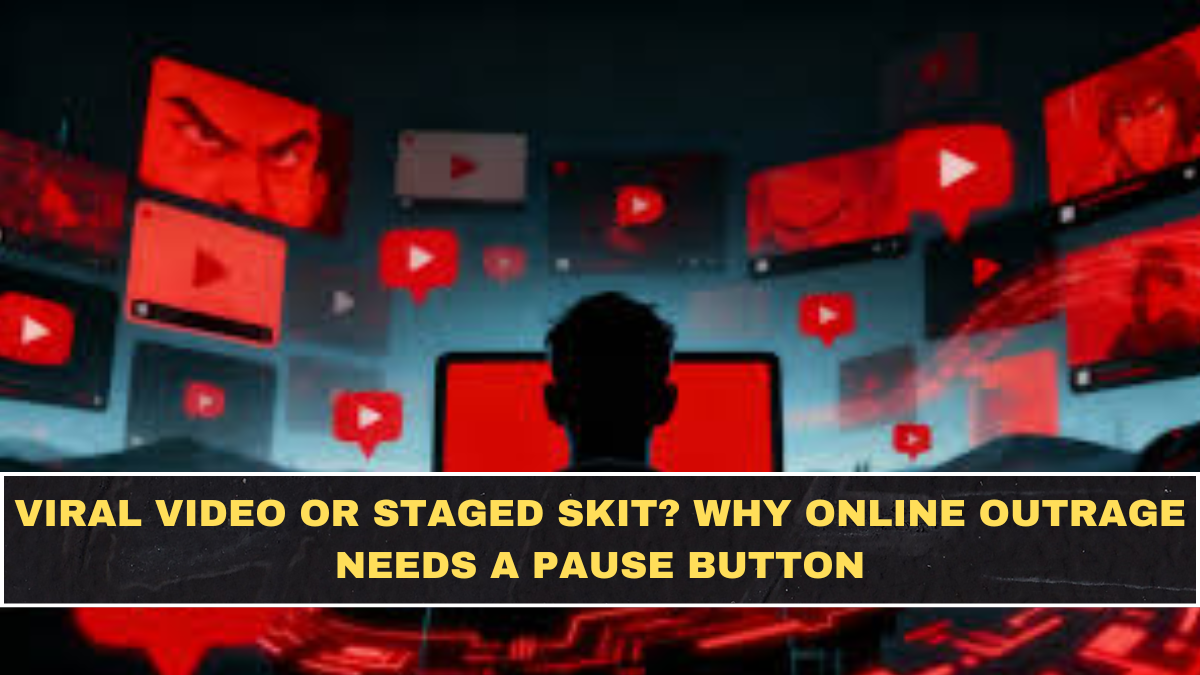
Viral videos have become one of the fastest ways to trigger public anger in India, but they are also one of the easiest ways to mislead people. A short clip can look real, emotional and shocking, yet still be staged, edited, old, taken from another country or posted with a false caption. The recent “Sumit Sir” classroom video showed exactly how quickly outrage can build before full context appears. Reports said the video first sparked anger because it appeared to show a teacher beating a student, but later the student reportedly claimed it was a skit.
The problem is not that people feel angry after watching disturbing content. The problem is that social media pushes people to react before verifying. Within minutes, users start tagging police, abusing people, demanding arrests and spreading screenshots. If the video later turns out to be staged or misrepresented, the damage is already done.
Why Do People Believe Viral Clips So Quickly?
People believe viral clips quickly because video feels like proof. A written claim can be doubted, but moving visuals feel direct and emotional. That is why fake or staged videos are powerful: they bypass careful thinking and hit anger, fear or sympathy first.
This is especially risky in India because viral content often spreads through WhatsApp, Instagram, YouTube Shorts and X before any official clarification arrives. The PIB Fact Check Unit says its objective is to counter fake news and misinformation by giving people a way to report suspicious or questionable information related to the Government of India.
| Viral Video Risk | What Usually Happens? | Why It Is Dangerous? |
|---|---|---|
| Edited clip | Only one part is shown | Context gets removed |
| Old video | Reposted as new | Panic spreads again |
| Wrong location | Another country or city is claimed | Local anger rises falsely |
| Staged skit | Presented as real | Outrage becomes manipulated |
| AI/deepfake content | Faces or voices may be altered | Trust becomes harder |
What Can Go Wrong With Fake Viral Content?
Fake viral content can create real-world panic. In one recent case, Surat police booked a man for allegedly spreading a fake tsunami alert using videos of natural low tide at Dumas beach and misrepresenting them as a tsunami warning. Reports said authorities asked platforms to remove multiple videos and warned people not to believe or spread baseless claims.
That example proves a simple point: misinformation is not harmless entertainment. It can cause fear, waste police time, damage reputations and push people into unsafe decisions. The person posting the video may call it “content,” but the public impact can be serious.
How Should Viewers Verify A Viral Video?
The smartest reaction to a viral video is not silence; it is verification. If a clip shows violence, fraud, crime or public danger, people should report it responsibly instead of turning into an online mob. Sharing without checking only helps the original misinformation spread faster.
Before sharing any viral clip, check:
- Is the original source known?
- Is the date clearly confirmed?
- Is the location verified by reliable sources?
- Has police, media or an official body responded?
- Is the video cropped or missing context?
- Are multiple trusted outlets reporting the same facts?
Why Is Online Outrage So Easy To Manipulate?
Online outrage is easy to manipulate because people love feeling morally right. A viral video gives users a quick villain, a quick victim and a quick reason to attack. That emotional rush makes people forget basic questions like who uploaded the clip, when it was recorded and whether the caption is true.
This is where content creators and engagement farmers take advantage. They know anger travels faster than caution. A staged clip, fake caption or edited scene can get millions of views because users think they are exposing injustice, while they may actually be promoting manipulation.
What Should Platforms And Creators Do?
Platforms need stronger labels, faster takedowns for harmful misinformation and better visibility for verified updates. The government has repeatedly spoken about the goal of an open, safe, trusted and accountable internet, while acknowledging risks linked to misinformation, bots and user harms.
Creators also need accountability. If a video is staged, it should be clearly labelled as scripted or fictional. Using fake violence, fake panic or fake crime as engagement bait is not creativity. It is irresponsible, especially when real people, students, teachers, communities or locations can be dragged into public anger.
What Is The Conclusion?
Viral videos are powerful, but they are not always proof. A clip can be real, staged, edited, old or wrongly captioned, and viewers must stop treating every viral post as final truth. The “Sumit Sir” video twist and fake tsunami alert case both show why online outrage needs a pause button.
The blunt truth is simple: if you share without verifying, you are part of the problem. Anger may feel righteous, but careless sharing can destroy reputations, spread fear and help fake content win. In 2026, digital literacy is not optional anymore; it is basic survival on the internet.
What Are The FAQs?
Why Should Viral Videos Be Verified First?
Viral videos should be verified because short clips often miss context or may be staged, edited, old or wrongly captioned. Sharing them without checking can spread misinformation, trigger panic and damage innocent people.
What Was The Sumit Sir Video Controversy?
The Sumit Sir video reportedly showed a teacher beating a student, which triggered online outrage. Later, the student reportedly said the incident was staged as a skit, creating debate over whether the public reacted before knowing the full context.
How Can I Check If A Viral Video Is Fake?
You can check the source, date, location, trusted news reports, official police statements and reverse-search screenshots from the video. If the same clip appears with different captions in different places, that is a major red flag.
Why Is Fake Viral Content Harmful?
Fake viral content is harmful because it can create panic, spread hate, waste official resources and damage reputations. The fake tsunami alert case in Surat shows how misleading videos can create real public-safety concerns.
Click here to know more