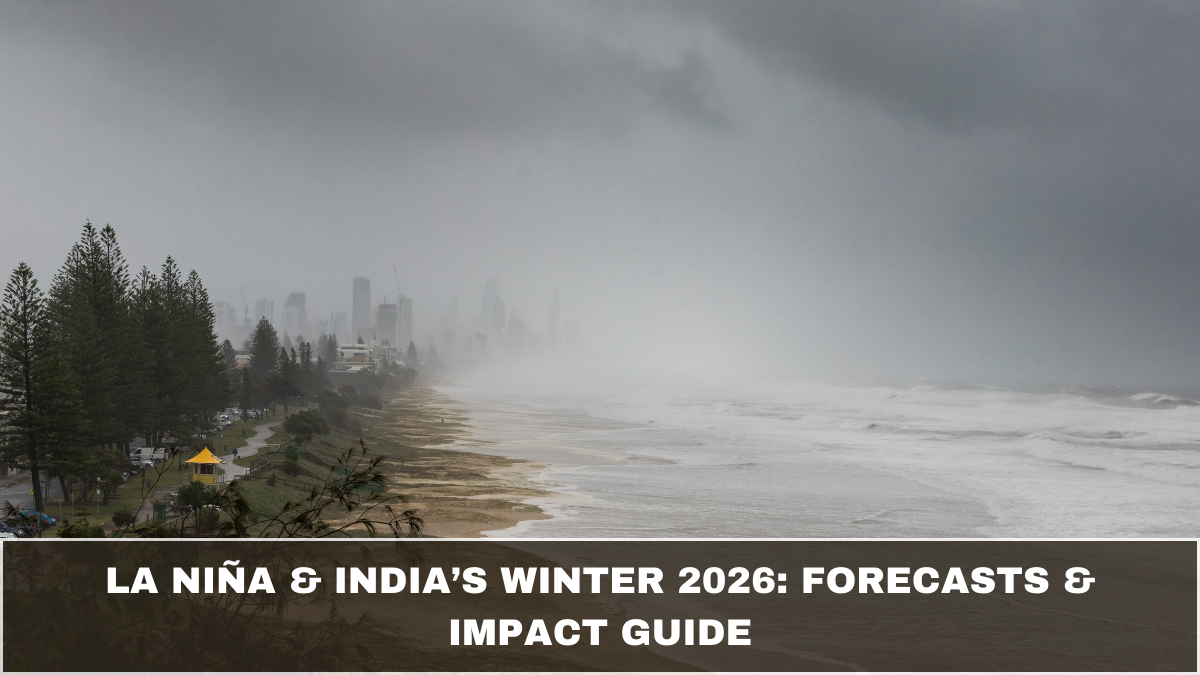
The La Niña / winter weather forecasts India 2026 indicate that the country may experience cooler-than-average temperatures, unusual rainfall patterns in certain regions, and dense fog in northern states. This natural climate phenomenon occurs when Pacific Ocean surface temperatures drop below average, influencing global weather patterns and impacting agriculture, travel, and energy demand in India.
This article provides a detailed guide to winter 2026 forecasts, La Niña effects on farming, travel disruptions, and practical precautions for households and businesses.
What Is La Niña?
La Niña is the counterpart of El Niño and is characterized by cooler-than-normal sea surface temperatures in the central and eastern Pacific Ocean. In India, La Niña typically affects:
-
Winter temperatures: Can result in colder nights and daytime temperatures in northern and central regions
-
Rainfall patterns: Certain areas may receive above-average rainfall or experience unusual weather events
-
Fog formation: Increased cold air and moisture can lead to persistent fog, particularly in the Indo-Gangetic plains
The La Niña / winter weather forecasts India 2026 suggest a significant influence on climate-dependent sectors such as agriculture and travel.
IMD Forecasts for Winter 2026
The India Meteorological Department (IMD) has provided preliminary projections:
-
Northern India: Colder nights and early morning fog in Punjab, Haryana, Uttar Pradesh, and Bihar
-
Central India: Mild temperature fluctuations with occasional winter showers in Madhya Pradesh and Chhattisgarh
-
Western India: Cool, dry conditions with slight rainfall in Rajasthan and Gujarat
-
Southern India: Minimal impact with temperatures slightly below seasonal averages
These forecasts indicate that the La Niña winter 2026 pattern may extend from December through February, affecting day-to-day life across regions.
Agricultural Implications
Farmers must pay attention to La Niña predictions, as winter crops and soil conditions are affected:
-
Rabi crops: Wheat, mustard, and pulses may benefit from adequate moisture but could face frost stress in northern states
-
Horticulture: Fruits like citrus, guava, and apple may require additional protection from cold snaps
-
Irrigation planning: Enhanced rainfall in certain regions may reduce dependency on irrigation, but excessive moisture can damage crops
-
Soil management: Cold temperatures and fog can increase disease incidence; timely monitoring is essential
The La Niña / winter weather forecasts India 2026 guide farmers in planning sowing, irrigation, and harvesting schedules.
Impact on Travel and Transportation
La Niña winters can significantly disrupt travel:
-
Dense fog: Northern plains may experience visibility below 200 meters, affecting road, rail, and air travel
-
Flight delays: Airports in Delhi, Lucknow, Jaipur, and Chandigarh are likely to see early morning flight disruptions
-
Road safety: Drivers need to exercise caution on highways during foggy mornings
-
Tourism: Hill stations in Himachal Pradesh, Uttarakhand, and Kashmir may witness cold conditions suitable for winter tourism but require preparation
Planning ahead ensures minimal disruption for holiday travelers and commuters during the La Niña winter.
Household Precautions
Residents in affected regions should consider:
-
Ensuring adequate winter clothing, blankets, and heating arrangements
-
Protecting water pipelines and electrical systems from cold weather
-
Preparing for possible short-term waterlogging in areas with higher rainfall
-
Keeping updated with IMD weather alerts to avoid travel hazards
Being proactive helps households manage cold weather challenges safely.
Energy and Utility Considerations
La Niña winters may influence energy consumption and supply:
-
Increased demand for electricity and heating fuels in northern India
-
Potential stress on power grids due to lower temperatures and early morning peak loads
-
Local authorities may issue advisories for energy conservation and grid management
These considerations are critical for municipal planning and residential preparedness.
Conclusion
The La Niña / winter weather forecasts India 2026 indicate a cooler, foggy, and regionally wetter winter across the country. From agricultural planning and crop protection to safe travel and household preparations, understanding these forecasts is vital for farmers, commuters, and residents. By closely monitoring updates from the IMD and taking precautionary measures, India can navigate the La Niña winter 2026 effectively, ensuring safety, productivity, and minimal disruption to daily life.
FAQs
What is La Niña and how does it affect India’s winter?
La Niña is a climate phenomenon with cooler Pacific Ocean temperatures that can cause colder winters, fog, and unusual rainfall patterns in India.
Which regions in India are most affected by La Niña winters?
Northern plains, central India, and western states may experience colder temperatures, fog, and rainfall fluctuations, while southern India sees minimal impact.
How does La Niña impact agriculture in winter?
It affects rabi crops, horticulture, irrigation needs, and can increase the risk of crop diseases due to cold and fog.
What travel disruptions can occur during La Niña winters?
Dense fog may reduce visibility for roads, railways, and airports, causing delays and requiring extra caution for travelers.
How can households prepare for La Niña winters?
Use warm clothing, protect pipelines and electrical systems, follow weather updates, and plan for potential heavy rainfall or fog.