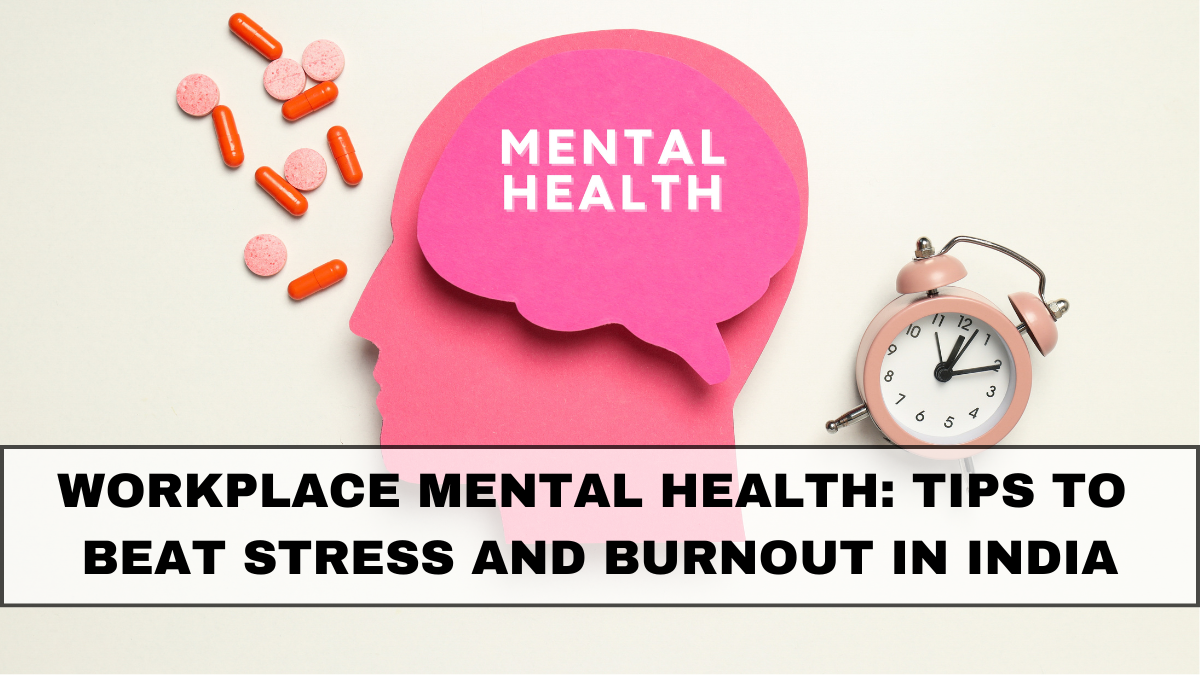
The modern Indian workplace has become increasingly competitive, demanding, and high-paced. While professional growth and career opportunities continue to expand, this environment also brings rising stress levels and burnout. Focusing on mental health in workplaces India is now more crucial than ever for employees to remain productive, motivated, and emotionally balanced.
This guide explores practical strategies, wellness tips, and stress management techniques tailored for Indian professionals, helping them maintain mental well-being in challenging work environments.
Why Workplace Mental Health Matters in India
-
High Work Pressure: Many employees face tight deadlines, long hours, and constant performance monitoring.
-
Burnout Risk: Prolonged stress without breaks can lead to fatigue, anxiety, and reduced efficiency.
-
Impact on Productivity: Employees with poor mental health are more likely to experience absenteeism, low engagement, and mistakes.
-
Personal Life Strain: Work-related stress often spills into personal life, affecting relationships and overall well-being.
By prioritizing mental wellness, Indian professionals can achieve better work-life balance and sustain long-term career growth.
Common Workplace Stress Triggers
1. Heavy Workload:
-
Multiple tasks with tight deadlines create pressure.
2. Lack of Recognition:
-
Employees who feel undervalued or unacknowledged experience lower motivation.
3. Poor Communication:
-
Misunderstandings, unclear expectations, and ineffective leadership contribute to stress.
4. Job Insecurity:
-
Economic fluctuations and corporate downsizing can heighten anxiety.
5. Long Commutes & Work Hours:
-
Extended travel and overtime reduce personal time, adding to mental strain.
Effective Stress Management Tips for Indian Professionals
1. Prioritize Tasks:
-
Use techniques like the Eisenhower Matrix to focus on urgent and important tasks first.
-
Break large projects into smaller, manageable steps.
2. Set Boundaries:
-
Learn to say no politely when workload exceeds capacity.
-
Disconnect from work emails or calls after office hours when possible.
3. Mindfulness and Meditation:
-
Daily meditation or breathing exercises reduce anxiety and improve focus.
-
Apps like Calm or Headspace can help beginners practice mindfulness.
4. Physical Activity:
-
Regular exercise, even a 20-minute walk, boosts endorphins and reduces stress.
-
Yoga and stretching exercises are particularly beneficial for office-goers.
5. Maintain a Healthy Diet:
-
Balanced meals, hydration, and limited caffeine help stabilize energy and mood.
-
Avoid excessive junk food or sugar spikes that can worsen stress.
6. Sleep Hygiene:
-
Adequate sleep is critical for emotional resilience.
-
Stick to a consistent bedtime, reduce screen exposure before sleep, and create a calm sleep environment.
Creating a Supportive Work Environment
1. Open Communication:
-
Encourage employees to voice concerns without fear of judgment.
-
Regular check-ins with managers foster trust and reduce anxiety.
2. Employee Assistance Programs (EAP):
-
Companies offering counseling or wellness resources help staff manage stress.
3. Flexible Work Options:
-
Work-from-home days, flexible hours, or compressed workweeks can improve work-life balance.
4. Team Building & Social Support:
-
Encouraging collaboration, peer support, and social activities can reduce feelings of isolation.
5. Training and Skill Development:
-
Upskilling and learning opportunities reduce anxiety related to job insecurity and performance pressure.
Self-Care Practices for Mental Wellness at Work
-
Regular Breaks: Step away from your desk every 90 minutes to refresh your mind.
-
Journaling: Writing down tasks, achievements, or stressors helps declutter the mind.
-
Hobbies: Pursuing creative or recreational activities outside work nurtures mental health.
-
Digital Detox: Limit non-essential screen time, especially before bedtime.
-
Gratitude Practices: Daily acknowledgment of positive aspects of work and life improves mood and resilience.
FAQs
How can Indian professionals recognize workplace burnout?
Signs include constant fatigue, irritability, lack of motivation, declining performance, and emotional detachment from work tasks.
Can meditation really reduce work stress?
Yes. Regular mindfulness meditation lowers cortisol levels, improves focus, and enhances emotional regulation, making it effective for stress management.
How should managers support employees’ mental health?
Managers should promote open communication, provide access to counseling resources, offer flexible work options, and recognize employee contributions regularly.
What are quick stress-relief techniques during office hours?
Deep breathing exercises, short walks, stretching, listening to calming music, or stepping outside for fresh air are effective quick techniques.
Is mental health in the workplace a growing concern in India?
Absolutely. Increasing workloads, competitive environments, and urban lifestyle pressures have made workplace mental wellness a priority for both employers and employees.
Conclusion
Focusing on mental health in workplaces India is essential for employees to thrive in demanding professional settings. By adopting practical stress management strategies, self-care routines, and supportive work practices, Indian professionals can maintain emotional balance, improve productivity, and enjoy a healthier work-life dynamic.
Creating awareness, fostering supportive workplaces, and encouraging daily mental wellness habits ensures that professionals not only succeed in their careers but also enjoy sustained personal well-being. With consistent effort, stress and burnout can be managed effectively, leading to happier, more resilient employees in India’s evolving job market.
Click here to know more.