
If subscribing takes one click but cancelling takes twenty minutes, three menus, and a support chat, that’s not an accident. In 2026, subscription dark patterns are still baked into product design—quietly converting inertia into revenue. The goal isn’t to stop you forever; it’s to make quitting so annoying that you give up for now.
This isn’t about bad UX. It’s about deliberate friction.

What Subscription Dark Patterns Actually Are
Dark patterns are interface choices that nudge users toward outcomes they wouldn’t freely choose. In subscriptions, they’re optimized for one thing: delay.
Common tactics include:
• Hiding the cancel button deep in settings
• Splitting cancellation across multiple pages
• Requiring human interaction “for verification”
• Offering looping discounts to stall decisions
Together, these form subscription dark patterns that monetize frustration.
Why One-Click Signups Exist—but One-Click Cancels Don’t
Speed is selective.
Companies streamline:
• Trials
• Plan upgrades
• Add-ons
But slow down:
• Downgrades
• Pauses
• Cancellations
This asymmetry is the core of subscription dark patterns—ease in, friction out.
The Psychology Behind Cancellation Traps
These designs exploit predictable human behavior.
They rely on:
• Decision fatigue (“I’ll do it later”)
• Loss aversion (“What if I need this?”)
• Time scarcity (busy users quit trying)
• Sunk-cost bias (“I’ve already paid”)
Friction turns intention into abandonment—of the cancellation.
How ‘Pause’, ‘Downgrade’, and ‘Retention Offers’ Are Used
Retention isn’t wrong. Deception is.
Common stalling moves:
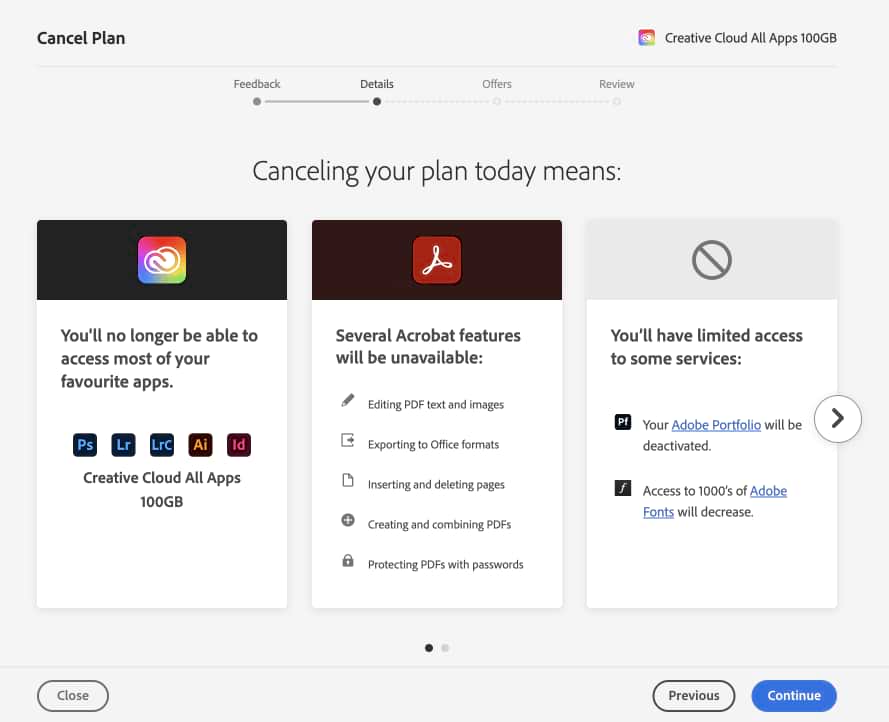
• Replacing “Cancel” with “Pause” as default
• Forcing downgrade before cancellation appears
• Serial discount pop-ups after each step
• Threatening loss of data or features
Individually subtle, together they’re classic subscription dark patterns.

Why Support Chats Are a Favorite Obstacle
Bots and chats introduce social friction.
They work because:
• Users feel awkward insisting
• Agents are trained to retain
• Conversations take time
• Emotional labor increases drop-off
When cancellation requires persuasion, subscription dark patterns cross from design into pressure.
The ‘Email Us’ and ‘Call to Cancel’ Tactic
Asking for offline steps is intentional.
Why it’s used:
• Creates delay
• Adds scheduling friction
• Reduces successful cancellations
• Lowers visible churn metrics
In a digital product, analog exits are a red flag.
How These Patterns Quietly Inflate Revenue
The business impact is massive.
Benefits to companies include:
• Lower churn without improving value
• Predictable recurring revenue
• Fewer support refunds
• Better investor optics
Subscription dark patterns don’t build loyalty—they tax attention.
Why Regulation Hasn’t Fixed the Problem (Yet)
Rules exist, enforcement lags.
Challenges include:
• Vague definitions of “easy cancellation”
• Cross-border jurisdiction issues
• Slow complaint cycles
• Companies redesigning around rules
Compliance becomes a maze—just like cancellation.
What Ethical Subscription Design Looks Like
Good actors prove it’s possible.
Fair practices include:
• One-click cancel matching signup
• Clear end-of-billing confirmations
• Data access after cancellation
• No forced conversations
Ethics reduce churn and resentment.
How Users Can Defend Themselves
You can’t redesign products—but you can reduce exposure.
Practical defenses:
• Use virtual cards for trials
• Calendar reminders before renewals
• Prefer annual plans only if value is clear
• Cancel immediately after subscribing (where allowed)
Awareness weakens subscription dark patterns.
Why This Matters Beyond Money
Time is the hidden cost.
Users lose:
• Minutes per cancellation
• Cognitive energy
• Trust in brands
• Willingness to try new tools
Friction erodes goodwill faster than price.
Conclusion
Subscription dark patterns survive because they work—quietly, consistently, and legally enough. But they trade short-term retention for long-term distrust. In 2026, users are more aware, more vocal, and less patient.
The brands that win won’t be the hardest to quit. They’ll be the easiest to trust.
FAQs
What are subscription dark patterns?
Design tactics that intentionally make cancelling subscriptions difficult.
Are dark patterns illegal?
Often not explicitly—but they’re increasingly regulated.
Why don’t companies simplify cancellation?
Because friction reduces churn without improving the product.
Do all subscriptions use dark patterns?
No. Some companies prioritize ethical design.
How can users avoid cancellation traps?
Track renewals, use virtual cards, and cancel early when unsure.
Click here to know more.