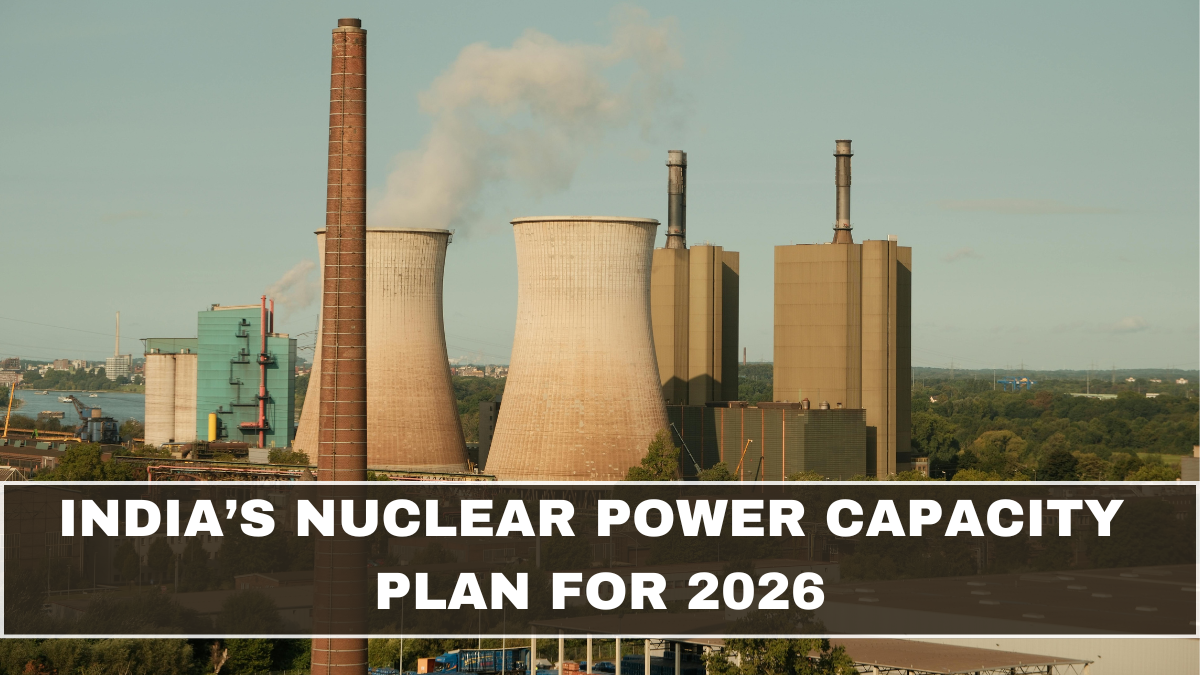
India is accelerating its plans to expand nuclear power capacity as part of its commitment to sustainable energy development. The nuclear power target India for March 2026 aims to add new reactors and enhance existing capacity, supporting the country’s goal of cleaner, low-carbon electricity generation. Nuclear energy, alongside solar and wind power, is central to India’s strategy to reduce dependency on fossil fuels while meeting growing electricity demand.
The focus on nuclear power underscores India’s intent to balance energy security, environmental sustainability, and economic growth.

Overview of Nuclear Power in India
India’s nuclear power sector has been steadily growing:
-
Installed Capacity: Currently, India has multiple operational nuclear reactors providing a steady portion of national electricity.
-
New Projects: Several reactors are under construction, aiming to increase the total nuclear output by 2026.
-
Energy Mix Contribution: Nuclear power contributes significantly to the country’s non-fossil fuel energy mix.
-
Safety and Standards: International safety standards and domestic regulations ensure safe operation of nuclear facilities.
-
Government Support: Policy frameworks, incentives, and collaboration with international partners support expansion efforts.
The nuclear power target India reflects a strategic approach to meeting energy demands responsibly.
Key Projects Driving the Capacity Increase
India’s nuclear expansion involves several major initiatives:
-
New Reactors: Construction of additional reactors at sites such as Kudankulam, Kakrapar, and Rajasthan Nuclear Power Plants.
-
Upgradation: Enhancing efficiency and output of existing reactors to maximize generation capacity.
-
Technology Partnerships: Collaboration with countries like Russia, France, and the US for reactor technology and fuel supply.
-
Research & Development: Investment in advanced reactor designs, including thorium-based and fast breeder reactors.
-
Fuel Cycle Management: Ensuring safe handling, storage, and recycling of nuclear fuel to optimize resource utilization.
These projects collectively support India’s target for increased nuclear generation capacity by 2026.
Advantages of Nuclear Power Expansion
The growth of nuclear energy in India brings multiple benefits:
-
Low Carbon Footprint: Nuclear power produces minimal greenhouse gas emissions, aiding climate change mitigation.
-
Reliable Base Load Power: Unlike intermittent renewable sources, nuclear reactors provide continuous electricity supply.
-
Energy Security: Domestic nuclear fuel production and international cooperation reduce dependence on imported fossil fuels.
-
Economic Opportunities: Reactor construction, operation, and maintenance create jobs and stimulate local economies.
-
Technological Advancement: Expansion drives research in nuclear science, safety, and energy efficiency.
These advantages highlight the strategic importance of nuclear energy in India’s energy landscape.
Challenges and Considerations
While nuclear expansion is promising, several challenges exist:
-
High Capital Investment: Nuclear projects require substantial upfront costs for construction, safety, and technology.
-
Safety Concerns: Ensuring adherence to safety protocols and managing nuclear waste remain top priorities.
-
Regulatory Approvals: Projects need rigorous evaluation and clearances from national and international bodies.
-
Public Perception: Addressing community concerns and increasing public awareness about safety and benefits.
-
Infrastructure Needs: Upgrading grid infrastructure to handle additional nuclear power supply efficiently.
India is actively managing these challenges through policy measures, technology adoption, and public engagement.
Role in India’s Clean Energy Goals
The nuclear power target India is aligned with broader environmental objectives:
-
Net-Zero Commitments: Nuclear energy helps India reduce carbon emissions while supporting industrial and residential electricity demand.
-
Complement to Renewables: Acts as a stable base-load energy source, complementing solar and wind power.
-
Sustainable Growth: Provides a reliable, clean energy source to support urbanization, industrial expansion, and digital infrastructure.
-
Global Standing: Enhances India’s position in international climate and energy discussions.
Expansion of nuclear power contributes directly to India’s goal of a sustainable, diversified energy mix by 2030.
Conclusion
India’s nuclear power expansion plan for 2026 reflects a strategic commitment to low-carbon, reliable, and sustainable energy. By adding new reactors, upgrading existing facilities, and collaborating internationally, the country aims to meet growing electricity demands while minimizing environmental impact. The nuclear power target India demonstrates the government’s proactive approach toward energy security, climate responsibility, and technological advancement. For citizens, businesses, and policymakers, this expansion ensures access to a cleaner energy future that supports India’s economic growth and global climate commitments.
FAQs
What is India’s nuclear power target for 2026?
India aims to increase nuclear generation capacity through new reactors and upgrades to existing plants by March 2026.
Why is nuclear energy important for India?
Nuclear energy provides low-carbon, reliable base-load power, supports energy security, and complements renewable sources.
Which nuclear plants are being expanded?
Key projects include Kudankulam, Kakrapar, and Rajasthan Nuclear Power Plants, along with several new reactors under construction.
What are the challenges of nuclear expansion?
Challenges include high capital costs, safety concerns, regulatory approvals, public perception, and grid infrastructure needs.
How does nuclear energy contribute to India’s clean energy goals?
It reduces greenhouse gas emissions, provides stable electricity, supports renewable integration, and aids India’s climate commitments.
Click here to know more.