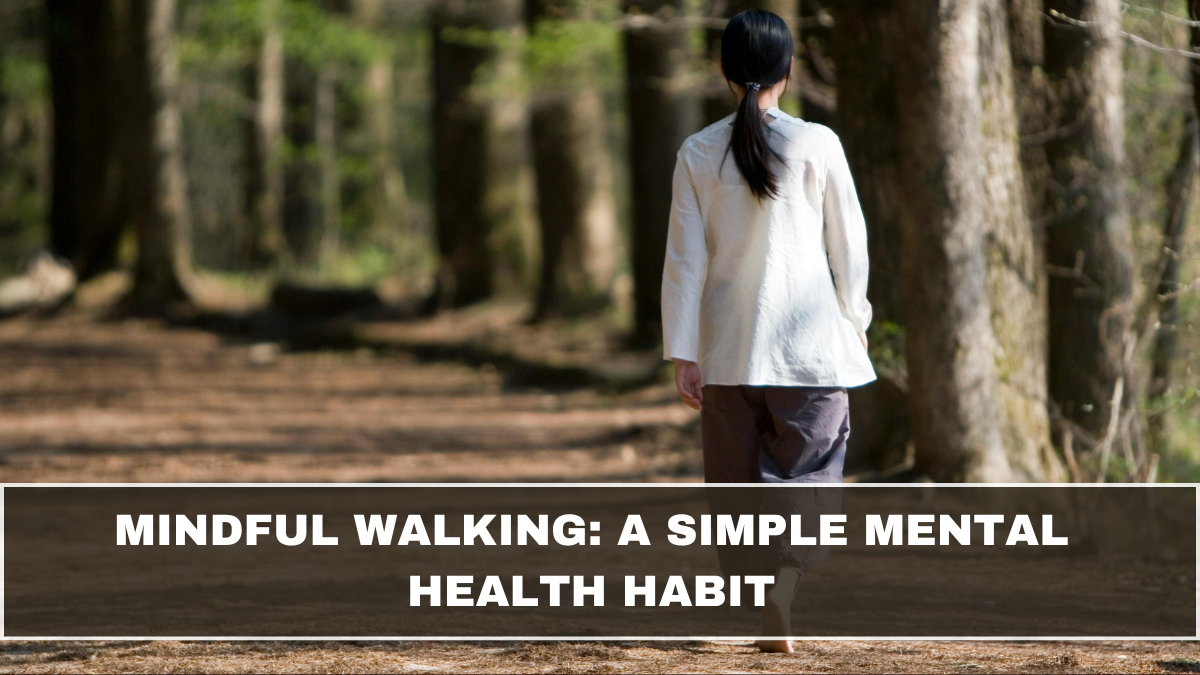
In today’s fast-paced urban lifestyle, Indians are increasingly exploring mindful walking benefits as a simple yet effective mental health practice. Unlike casual walking, mindful walking focuses on awareness, breathing, and the sensations of movement, helping individuals reduce stress, improve focus, and cultivate emotional balance.
This practice is gaining traction in cities where hectic routines, long commutes, and digital overload often affect mental wellness.
What Is Mindful Walking?
Mindful walking is the practice of walking with full awareness of each step, movement, and breath. It involves:
• Observing the sensations in your feet and legs
• Paying attention to breathing patterns
• Noticing surroundings without judgment
• Remaining present rather than thinking about the past or future
By integrating mindfulness into walking, individuals combine physical activity with mental relaxation.
Why Mindful Walking Is Trending in India
Several factors are driving the adoption of mindful walking benefits among urban Indians:
• Rising awareness of mental health and wellness
• Increasing screen fatigue and workplace stress
• Desire for accessible and low-cost wellness practices
• Interest in integrating physical and emotional wellbeing
• Influence of wellness apps, social media, and online communities
These trends highlight a growing focus on practical mental health strategies.
Mental Health Benefits of Mindful Walking
Mindful walking supports mental wellness in multiple ways:
-
Stress Reduction – Concentrating on the present moment lowers cortisol levels and reduces anxiety.
-
Improved Focus and Clarity – Mindful attention enhances cognitive function and decision-making.
-
Emotional Regulation – Awareness of thoughts and feelings allows better emotional management.
-
Enhanced Mood – Movement combined with mindfulness triggers endorphin release, improving overall mood.
-
Better Sleep – Practicing mindful walking regularly promotes relaxation and supports healthy sleep patterns.
These benefits demonstrate how simple walking can become a powerful mental health tool.
How to Practice Mindful Walking
Urban Indians can incorporate mindful walking into daily routines with these steps:
• Choose a safe and calm path, like a park, terrace, or quiet street
• Walk slowly and focus on each step
• Synchronize steps with breathing
• Notice sights, sounds, and smells around without judgment
• If the mind wanders, gently return attention to the walking experience
• Practice for at least 10–20 minutes daily for noticeable benefits
Consistency ensures that the mindful walking benefits are fully realized over time.
Combining Mindful Walking with Other Wellness Habits
Mindful walking works well alongside other mental wellness practices:
• Yoga and breathwork to enhance relaxation
• Journaling to process thoughts and emotions
• Nature walks for increased calm and sensory awareness
• Mindfulness meditation for deeper mental focus
• Limiting screen time to reduce mental clutter
These combined practices help urban Indians achieve holistic wellness.
Overcoming Challenges
Some beginners may face challenges while starting mindful walking:
• Restless mind or difficulty focusing
• Busy schedules or lack of safe walking spaces
• Initial discomfort in slowing down the pace
• Weather constraints in urban areas
Tips to overcome these include practicing indoors, using mindfulness apps, and gradually increasing duration.
Why Urban Indians Are Adopting Mindful Walking
Urban lifestyle pressures, including long commutes, high workloads, and constant digital exposure, make mindful walking benefits particularly appealing. It offers a low-cost, accessible way to:
• Recharge mentally between tasks
• Reduce stress accumulated during the day
• Integrate movement with emotional wellbeing
• Establish a routine that fits seamlessly into daily life
This accessibility has made mindful walking a popular choice among wellness-conscious Indians.
Conclusion
The practice of mindful walking highlights the intersection of physical activity and mental health. By focusing on awareness, breath, and sensations while walking, Indians can reduce stress, improve focus, and enhance emotional wellbeing. With urban life becoming increasingly hectic, mindful walking offers a simple, practical habit that promotes long-term mental health and overall wellness.
FAQs
What is mindful walking?
Mindful walking is the practice of walking with full awareness of each step, movement, and breath while being present in the moment.
What are the mental health benefits of mindful walking?
It reduces stress, improves focus, regulates emotions, enhances mood, and supports better sleep.
How long should I practice mindful walking each day?
Practicing 10–20 minutes daily is recommended for noticeable benefits.
Can mindful walking be combined with other wellness habits?
Yes, it complements yoga, meditation, journaling, and nature walks for holistic mental health.
Why is mindful walking popular in urban India?
It is a low-cost, accessible, and effective method to manage stress, digital fatigue, and emotional wellbeing in busy city lifestyles.
Click here to know more.