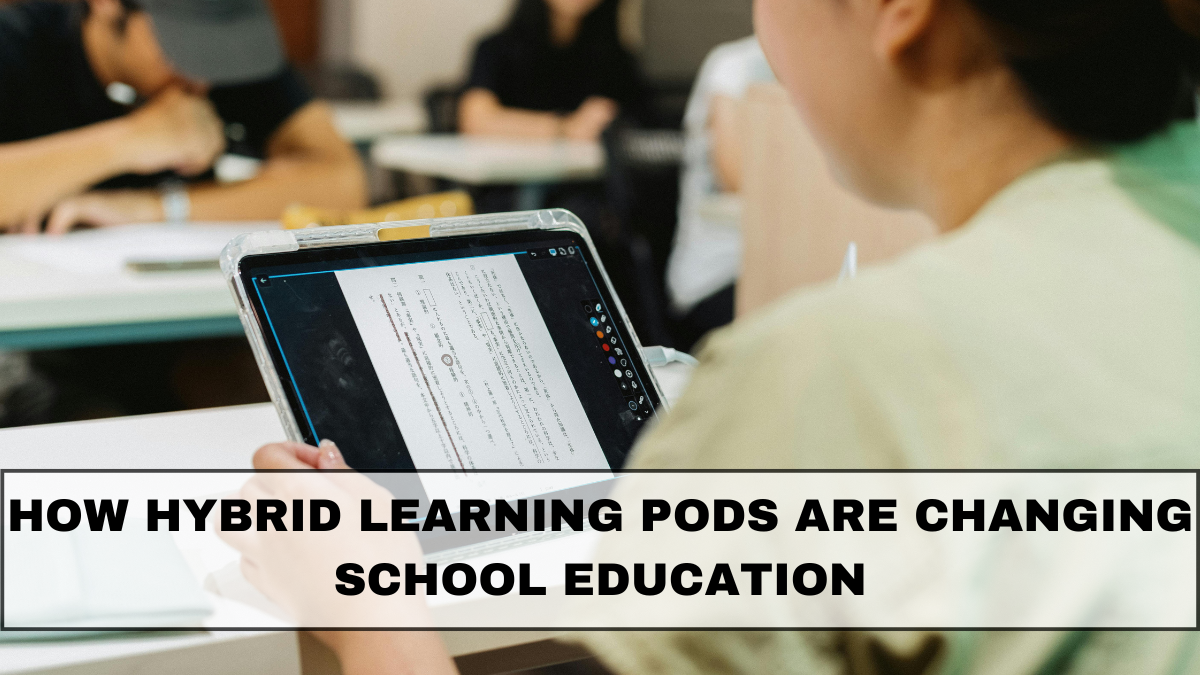
Education is evolving rapidly in 2025, with technology and personalized learning approaches reshaping traditional schooling methods. Hybrid learning pods are emerging as a transformative model, blending in-person classroom experiences with online learning tools to create customized educational environments. This approach enables students to learn at their own pace, collaborate in small groups, and benefit from both teacher guidance and digital resources.

What Are Hybrid Learning Pods?
Hybrid learning pods are small, flexible learning groups where students combine physical classroom instruction with online educational content. These pods can be organized within schools, homes, or community centers. Key features include:
-
Small Group Learning: Typically 4–10 students per pod, allowing personalized attention.
-
Blended Curriculum: Combines online lessons, interactive tools, and traditional teaching.
-
Flexible Scheduling: Students can attend sessions in-person or virtually based on convenience.
-
Teacher or Mentor Guidance: Certified educators or trained mentors facilitate learning and monitor progress.
-
Focus on Skills: Emphasis on problem-solving, creativity, collaboration, and critical thinking.
This hybrid model ensures a balance between social interaction, individualized learning, and technology-driven education.
Benefits of Hybrid Learning Pods
Hybrid learning pods offer numerous advantages for students, parents, and educators:
-
Personalized Learning
Students receive tailored instruction according to their learning pace and strengths, reducing stress and improving comprehension. -
Enhanced Collaboration
Small group settings encourage teamwork, discussion, and peer support, enhancing social and communication skills. -
Flexibility and Convenience
Families can choose between in-person or virtual sessions, accommodating busy schedules and diverse learning needs. -
Access to Technology
Integration of digital tools, educational apps, and online resources enhances engagement and knowledge retention. -
Improved Teacher-Student Interaction
Smaller pods allow educators to focus on individual student needs, identify challenges early, and provide targeted feedback. -
Adaptability to Changing Education Needs
Hybrid pods can easily adjust curriculum, teaching methods, and class schedules to respond to evolving learning requirements.
These benefits make hybrid learning pods particularly appealing in urban areas and among tech-savvy families seeking innovative education solutions.
How Hybrid Learning Pods Work
Hybrid learning pods function by blending traditional teaching with modern digital approaches:
-
Online Modules: Lessons are delivered through digital platforms, videos, or interactive simulations.
-
In-Person Sessions: Students attend small group classes for discussions, experiments, and hands-on activities.
-
Project-Based Learning: Emphasis on projects, presentations, and collaborative problem-solving.
-
Assessment and Feedback: Frequent evaluations via quizzes, assignments, and digital tools help track student progress.
-
Parental Involvement: Parents are often included in the learning process to monitor performance and reinforce learning at home.
This hybrid approach ensures that students gain both academic knowledge and practical skills in a supportive environment.
Why Hybrid Learning Pods Are Trending in 2025
Hybrid learning pods are gaining traction due to several societal and educational trends:
-
Post-Pandemic Adaptation: COVID-19 accelerated online learning adoption, highlighting the effectiveness of blended education.
-
Demand for Personalized Education: Parents and students prefer customized learning paths over one-size-fits-all methods.
-
Technological Integration: Widespread availability of high-speed internet, digital tools, and learning platforms supports hybrid models.
-
Focus on Skill Development: Schools are increasingly emphasizing creativity, critical thinking, and problem-solving over rote memorization.
-
Flexibility in Scheduling: Busy families and working parents benefit from the convenience of hybrid learning options.
These trends demonstrate why hybrid learning pods are shaping modern education in India and globally.
Popular Use Cases for Hybrid Learning Pods
Hybrid learning pods are effective across various educational contexts:
-
Primary and Secondary Schools: Enhance student engagement and academic performance.
-
Tutoring and Supplementary Education: Offer extra support in subjects like math, science, and language learning.
-
Skill-Based Programs: Focused on coding, digital literacy, arts, or STEM-related projects.
-
Special Education: Cater to students with unique learning needs or disabilities through individualized attention.
-
College Preparation and Test Coaching: Provide small-group coaching for competitive exams like NEET, CUET, or board exams.
These use cases highlight the versatility of hybrid pods for different age groups and learning objectives.
Challenges and Considerations
While hybrid learning pods have many advantages, certain challenges must be addressed:
-
Technology Access: Students require reliable devices and internet connectivity for online components.
-
Teacher Training: Educators need skills to manage hybrid classrooms effectively.
-
Consistency in Learning: Balancing online and in-person sessions requires careful planning.
-
Group Dynamics: Small pods may face interpersonal challenges that need monitoring.
-
Cost Implications: Some hybrid programs may involve higher fees compared to traditional schooling.
Addressing these challenges ensures that hybrid learning pods deliver maximum benefits for students.
Future of Hybrid Learning Pods
The future of hybrid learning pods looks promising in 2025 and beyond:
-
AI-Powered Personalization: Adaptive learning platforms can tailor content to each student’s progress and needs.
-
Global Collaboration: Students from different regions can collaborate virtually for cultural exchange and projects.
-
Gamification and Immersive Learning: AR, VR, and interactive simulations enhance engagement and retention.
-
Integration with Traditional Schools: Hybrid pods may become part of mainstream curricula for a blended education model.
-
Focus on Lifelong Learning: Hybrid pods can expand to adult education, skill enhancement, and professional development.
These innovations indicate that hybrid learning pods will play a central role in shaping flexible, technology-driven education.
FAQs
What is a hybrid learning pod?
A hybrid learning pod is a small group of students who learn through a combination of in-person instruction and online digital resources.
Why are hybrid learning pods popular in 2025?
They provide personalized education, flexibility, improved engagement, and technology-driven learning opportunities.
Who can benefit from hybrid learning pods?
Students of all ages, including primary, secondary, and higher education levels, as well as learners seeking skill development or supplementary education.
Do hybrid learning pods use technology?
Yes, they integrate online modules, interactive tools, apps, and virtual collaboration platforms to enhance learning.
Click here to know more.