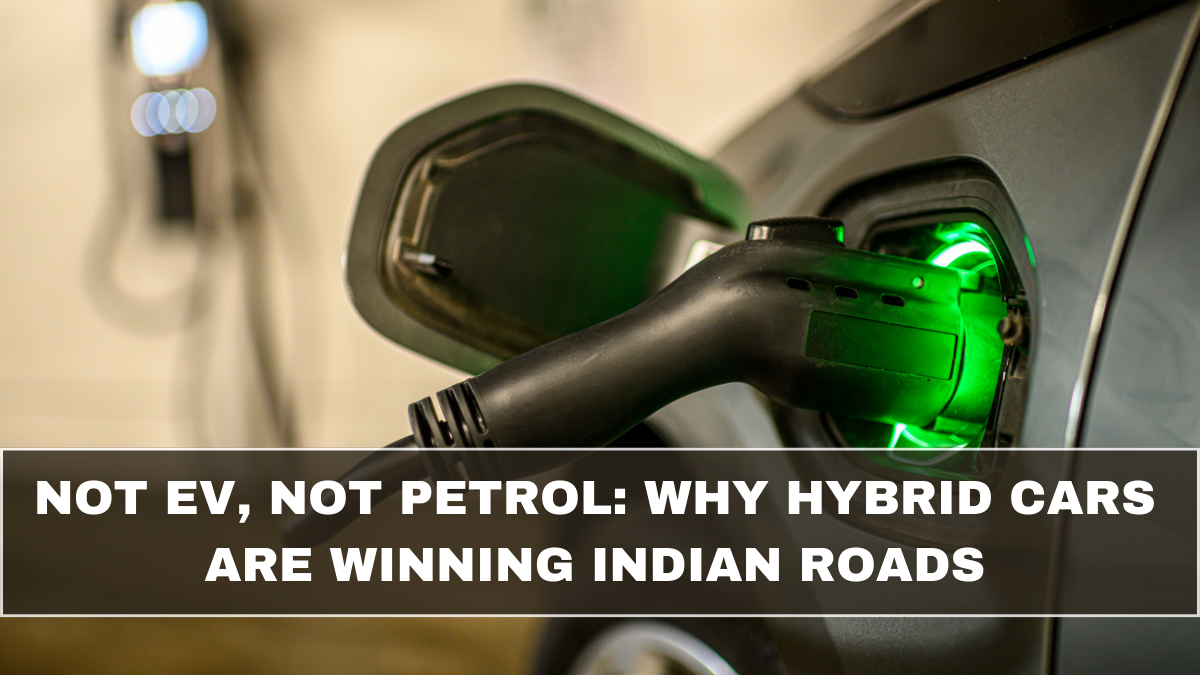
Hybrid cars India are increasingly attracting attention as a practical alternative between conventional petrol vehicles and fully electric cars. Rising fuel prices, growing environmental awareness, and advancements in technology are driving Indian consumers to explore hybrids for their combination of efficiency, reliability, and convenience. Unlike pure electric vehicles, hybrids do not entirely rely on charging infrastructure, making them a viable option for both urban and semi-urban areas.
The popularity of hybrid cars represents a significant shift in India’s auto market, bridging the gap between traditional fuel vehicles and electric mobility.
What Are Hybrid Cars?
Hybrid cars India use a combination of an internal combustion engine (ICE) and an electric motor to optimize fuel efficiency and reduce emissions. Key types include:
• Mild Hybrids – Small electric motor assists the engine, improving efficiency without fully powering the car.
• Full Hybrids – Electric motor can power the vehicle at low speeds, with the engine kicking in for higher power demands.
• Plug-in Hybrids (PHEVs) – Can be charged externally for longer electric-only driving ranges.
These configurations allow drivers to enjoy fuel savings while maintaining flexibility and convenience.
Why Hybrid Cars Are Trending in India
Several factors explain the growing appeal of hybrid cars India:
• Volatile Petrol Prices – Fuel efficiency helps reduce monthly running costs.
• Eco-Conscious Consumers – Urban Indians are increasingly aware of carbon footprints and emissions.
• Infrastructure Challenges for EVs – Charging stations remain limited outside major cities, making hybrids more practical.
• Government Incentives – Certain tax benefits and subsidies apply to hybrid vehicles in India.
• Technological Advancements – Improved battery technology, regenerative braking, and smoother driving experience.
These factors position hybrids as a balanced choice for Indian buyers.
Benefits of Hybrid Cars in India
Choosing Hybrid cars India offers several advantages:
• Better Fuel Efficiency – Electric assistance reduces fuel consumption, lowering overall running costs.
• Lower Emissions – Hybrids produce fewer greenhouse gases compared to conventional petrol or diesel cars.
• Seamless Urban Driving – Electric motor support improves city driving with reduced idling and start-stop efficiency.
• Flexible Refueling – No reliance solely on charging stations unlike full EVs.
• Resale Value – Growing demand for eco-friendly cars may improve resale prices over time.
These benefits make hybrids appealing for environmentally conscious yet convenience-seeking buyers.
Popular Hybrid Models in India
Several hybrid cars are capturing the Indian market:
• Toyota Camry Hybrid – Luxury sedan with advanced hybrid technology.
• Toyota Corolla Altis Hybrid – Popular mid-range hybrid with fuel efficiency.
• Honda City e:HEV – Compact hybrid suitable for city driving.
• Hyundai Tucson Hybrid – SUV with hybrid powertrain for longer commutes.
• Maruti Suzuki S-Cross Hybrid (Upcoming) – Affordable hybrid expected for mass-market adoption.
These models cater to different segments, from premium buyers to urban commuters.
Challenges and Considerations
While Hybrid cars India are promising, buyers should consider:
• Higher Upfront Cost – Initial purchase price is typically higher than conventional cars.
• Limited Availability – Hybrid options are still limited compared to petrol and diesel variants.
• Battery Maintenance – Hybrid batteries have longer lifespans but replacement can be costly.
• Resale Market Uncertainty – Though improving, resale value can vary based on demand and technology adoption.
• Awareness and Education – Some consumers are still unfamiliar with hybrid benefits and maintenance.
Understanding these factors helps consumers make informed decisions.
Future of Hybrid Cars in India
The future for Hybrid cars India looks promising:
• Wider adoption as fuel prices fluctuate and urban pollution rises
• Integration with government policies promoting eco-friendly vehicles
• Advancements in battery technology for longer electric driving ranges
• Expansion of hybrid SUV and sedan options in the Indian auto market
• Greater consumer education and awareness campaigns by automakers
Hybrids are likely to remain a popular transition option before fully electric vehicles become mainstream.
Conclusion
Hybrid cars India are gaining traction as a practical, fuel-efficient, and eco-friendly alternative to conventional vehicles. With fluctuating petrol prices, limited EV infrastructure, and increasing environmental awareness, hybrids offer the perfect balance between performance and sustainability. As technology improves and more models enter the market, hybrid cars are set to play a key role in shaping India’s automotive future, providing an ideal choice for buyers seeking efficiency, flexibility, and reduced environmental impact.
FAQs
What are hybrid cars in India?
Cars that combine an internal combustion engine with an electric motor to improve fuel efficiency and reduce emissions.
Why are hybrid cars becoming popular in India?
They offer fuel savings, lower emissions, and flexibility compared to full EVs or conventional petrol cars.
Are hybrid cars cost-effective?
Yes, fuel savings over time and government incentives can offset the higher initial cost.
Can hybrid cars drive like normal petrol cars?
Yes, hybrids function like regular cars with the added benefit of electric motor assistance.
Which hybrid car models are available in India?
Popular models include Toyota Camry Hybrid, Corolla Altis Hybrid, Honda City e:HEV, and Hyundai Tucson Hybrid.
Click here to know more.