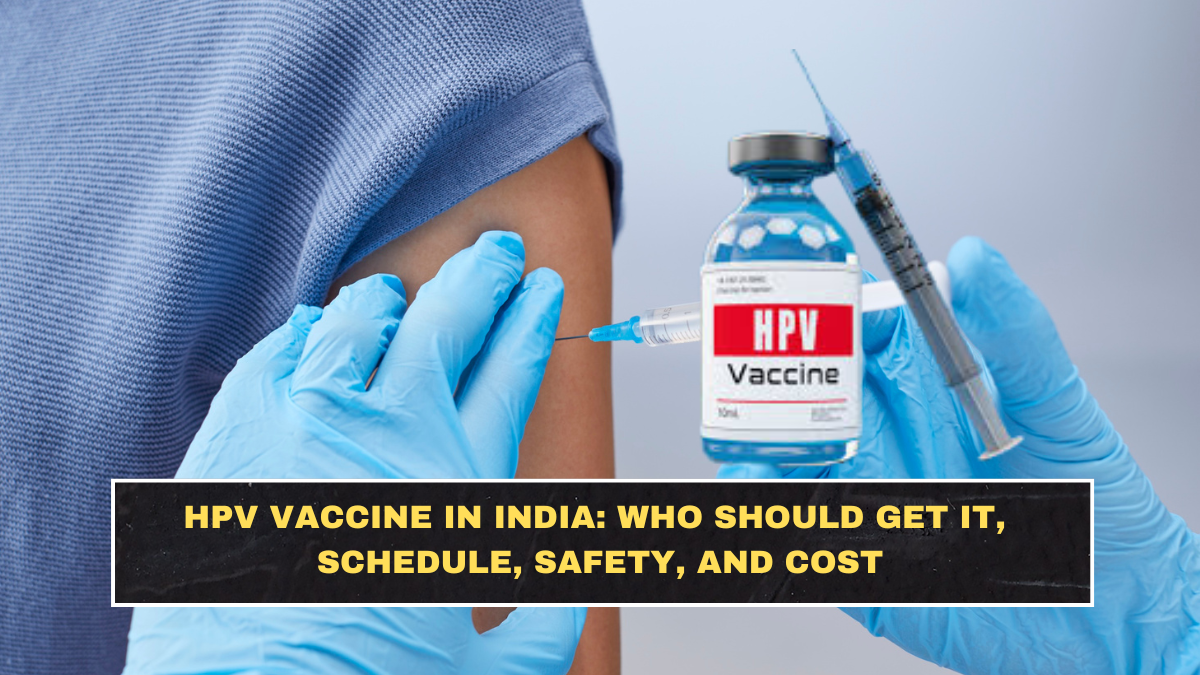
The HPV vaccine has become an important topic in India as awareness about cervical cancer prevention continues to grow. Human Papillomavirus (HPV) is a group of viruses that can cause several types of cancer, including cervical cancer, which remains one of the most common cancers affecting women in India. Medical experts emphasize that vaccination is one of the most effective ways to reduce the risk of HPV-related diseases.
Public health discussions around the HPV vaccine have increased in recent years as healthcare authorities and awareness campaigns encourage early vaccination for adolescents and young adults. Understanding who should receive the vaccine, the recommended dosage schedule, and the safety profile helps individuals make informed health decisions.
What Is HPV and How It Spreads
HPV refers to a group of more than 100 related viruses, some of which are classified as high-risk because they can lead to cancer. The virus spreads primarily through skin-to-skin contact and is extremely common worldwide.
| HPV Fact | Explanation |
|---|---|
| Virus Type | Human Papillomavirus (HPV) |
| Transmission | Skin-to-skin contact |
| Common Health Risk | Cervical cancer |
| Other Conditions | Genital warts and other cancers |
| Prevention Method | Vaccination and regular screening |
Because HPV infections often show no symptoms initially, vaccination and screening programs play a crucial role in prevention.
HPV Vaccine Availability in India
India has approved several vaccines that protect against the most harmful HPV strains. These vaccines are available in hospitals and vaccination clinics across the country.
| Vaccine Type | Protection Coverage |
|---|---|
| Bivalent Vaccine | Protects against two high-risk HPV types |
| Quadrivalent Vaccine | Protects against four HPV types |
| Nonavalent Vaccine | Protects against nine HPV types |
Healthcare professionals recommend vaccination before exposure to the virus for maximum effectiveness.
Recommended Age for HPV Vaccination
Medical organizations provide age-based guidelines for HPV vaccination. Early vaccination provides the strongest immune protection.
| Age Group | Recommended Dose Schedule |
|---|---|
| 9–14 years | 2 doses |
| 15–26 years | 3 doses |
| Above 26 years | Vaccination may still be recommended after consultation |
Vaccination programs often target adolescents because the vaccine is most effective before exposure to HPV.
HPV Vaccine Dose Schedule
The vaccination schedule varies depending on the age at which the first dose is received.
| Dose Number | Timeline |
|---|---|
| First Dose | Initial vaccination |
| Second Dose | 6–12 months after first dose |
| Third Dose (if required) | Around 6 months after first dose |
Following the recommended schedule ensures optimal immune protection.
HPV Vaccine Cost in India
The cost of the HPV vaccine can vary depending on the brand, healthcare provider, and city.
| Vaccine Type | Approx Cost Per Dose |
|---|---|
| Bivalent Vaccine | ₹2,000 – ₹3,000 |
| Quadrivalent Vaccine | ₹3,000 – ₹4,000 |
| Nonavalent Vaccine | ₹8,000 – ₹10,000 |
Government vaccination programs and awareness initiatives may help reduce costs or expand access in the future.
Safety and Side Effects
The HPV vaccine has been studied extensively and is considered safe by global health organizations. Like most vaccines, mild side effects may occur after vaccination.
| Possible Side Effect | Description |
|---|---|
| Mild pain at injection site | Most common reaction |
| Mild fever | Temporary |
| Fatigue | Usually resolves quickly |
| Headache | Short-term discomfort |
Serious reactions are extremely rare, and healthcare professionals monitor vaccination programs carefully.
Cervical Cancer Statistics in India
Cervical cancer remains a significant public health concern in India, which is why HPV vaccination programs receive increasing attention.
| Statistic | Estimate |
|---|---|
| Annual cervical cancer cases | Over 1.2 lakh |
| Annual deaths | Around 75,000 |
| HPV-related cases | Majority of cervical cancers |
| Preventable through vaccination | Significant proportion |
Vaccination combined with regular screening can significantly reduce these numbers over time.
Common Myths About the HPV Vaccine
Despite medical evidence supporting the vaccine, several misconceptions still circulate among the public.
| Myth | Fact |
|---|---|
| Only adults need the vaccine | Adolescents benefit most |
| Vaccine is unsafe | Extensive safety studies confirm safety |
| Only women need vaccination | Men can also benefit from vaccination |
| Vaccination replaces screening | Screening still remains important |
Addressing these myths is an important part of public health education.
Conclusion
The HPV vaccine in India plays a crucial role in preventing cervical cancer and other HPV-related diseases. With increasing awareness and improved access to vaccination programs, more people are learning about the benefits of early immunization.
By following recommended vaccination schedules and continuing regular health screenings, individuals can significantly reduce the risk of HPV-related health complications.
FAQs
What is the HPV vaccine used for?
The HPV vaccine protects against infections caused by Human Papillomavirus, which can lead to cervical cancer and other diseases.
At what age should the HPV vaccine be taken?
The vaccine is generally recommended for adolescents aged 9–14 years, although older individuals may also receive it.
Is the HPV vaccine safe?
Yes, extensive medical studies and global health authorities consider the HPV vaccine safe.
How many doses are required?
The number of doses depends on the age group, typically two or three doses.
Is the HPV vaccine available in India?
Yes, the vaccine is available through hospitals, clinics, and vaccination programs across the country.