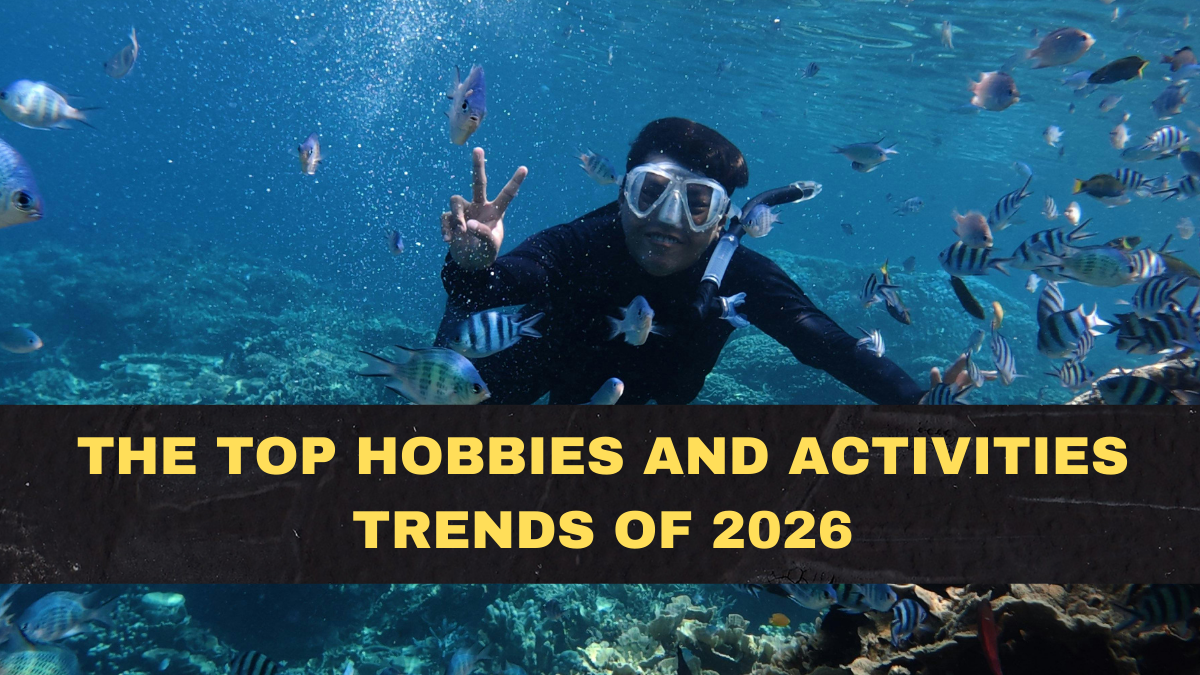
The surge in hobbies & activities trends in 2026 reveals a blunt truth: people are done letting work and screens consume their identity. Leisure is no longer passive. Free time is being reclaimed with intention, skill-building, and community. The result is a sharp pivot toward hobbies that offer movement, creativity, and real-world connection.
This isn’t nostalgia. It’s a reset driven by lifestyle shifts—from burnout culture to balance culture.

Why Hobbies Are Becoming Central to Identity
Hobbies used to be optional. In 2026, they’re essential.
Key reasons behind the rise of popular hobbies 2026:
• Widespread digital fatigue
• Desire for tangible progress and mastery
• Social connection outside algorithms
• Mental health prioritization
People want something to do, not just something to watch.
Padel and Social Sports Are Exploding
Padel has become the poster child of modern hobbies: social, accessible, and competitive without intimidation.
Why social sports are booming:
• Low barrier to entry
• Built-in community
• Physical activity without extreme intensity
• Regular, repeatable engagement
These sports perfectly match evolving hobbies & activities trends.
Creative Crafts Are Back — With Adult Energy
Creative hobbies aren’t childlike anymore. They’re purposeful and therapeutic.
Trending creative activities include:
• Pottery and ceramics
• Textile crafts and embroidery
• Illustration and analog art
• DIY furniture and restoration
Crafting offers focus, progress, and calm—things modern life lacks.
Why Skill-Based Hobbies Feel More Satisfying
Mindless entertainment doesn’t recharge people anymore. Skill-building does.
Skill-driven hobbies provide:
• Visible improvement over time
• A sense of competence
• Flow-state mental relief
• Personal achievement
This explains the rise in popular hobbies 2026 centered on learning.
Offline Activities Are Replacing Screen Leisure
People aren’t anti-tech—they’re anti-exhaustion.
Offline preferences include:
• Board games and chess clubs
• Journaling and writing circles
• Music practice and jam sessions
• Gardening and plant care
These activities support the broader lifestyle shifts toward presence.
Group-Based Hobbies Are Winning Over Solo Ones
Community is now a feature, not a bonus.
Group hobby benefits:
• Accountability and consistency
• Shared motivation
• Reduced isolation
• Stronger social bonds
This social layer keeps hobbies sustainable.
Why Short-Commitment Activities Are Popular
Long-term commitments scare burnt-out adults. Flexible hobbies don’t.
High-adoption activities share:
• Modular participation
• Drop-in formats
• Low equipment investment
• Clear session boundaries
This flexibility fuels ongoing hobbies & activities trends.
The Wellness Effect of Regular Hobbies
Hobbies are becoming preventative care.
Wellness outcomes include:
• Lower stress levels
• Improved focus and mood
• Better sleep quality
• Reduced digital dependency
They’re no longer “extra.” They’re maintenance.
How Brands and Cities Are Supporting Hobby Culture
Infrastructure is adapting to demand.
Support systems include:
• Community studios and courts
• Hobby-focused memberships
• Local workshops and events
• Creator-led learning spaces
This ecosystem reinforces popular hobbies 2026.
What These Trends Say About Modern Life
The rise of hobbies signals a rejection of productivity-only identity. People want lives that feel lived, not optimized.
Hobbies provide:
• Meaning beyond metrics
• Identity beyond job titles
• Joy without monetization
That’s a powerful cultural shift.
Conclusion
The hobbies & activities trends of 2026 reflect a collective move toward balance, skill, and connection. From social sports like padel to hands-on creative crafts, people are choosing activities that ground them in the real world.
These lifestyle shifts aren’t temporary. They’re a redefinition of what a fulfilling life looks like.
FAQs
Why are hobbies becoming more important in 2026?
Because people seek balance, mental health, and identity beyond work and screens.
What are the most popular hobbies in 2026?
Padel, creative crafts, board games, journaling, gardening, and group sports.
Are hobbies replacing digital entertainment?
Not entirely, but offline activities are increasingly preferred for relaxation.
Why are group hobbies more popular than solo ones?
They provide accountability, motivation, and real social connection.
Are these hobby trends long-term?
Yes. They align with lasting lifestyle shifts toward intentional living.