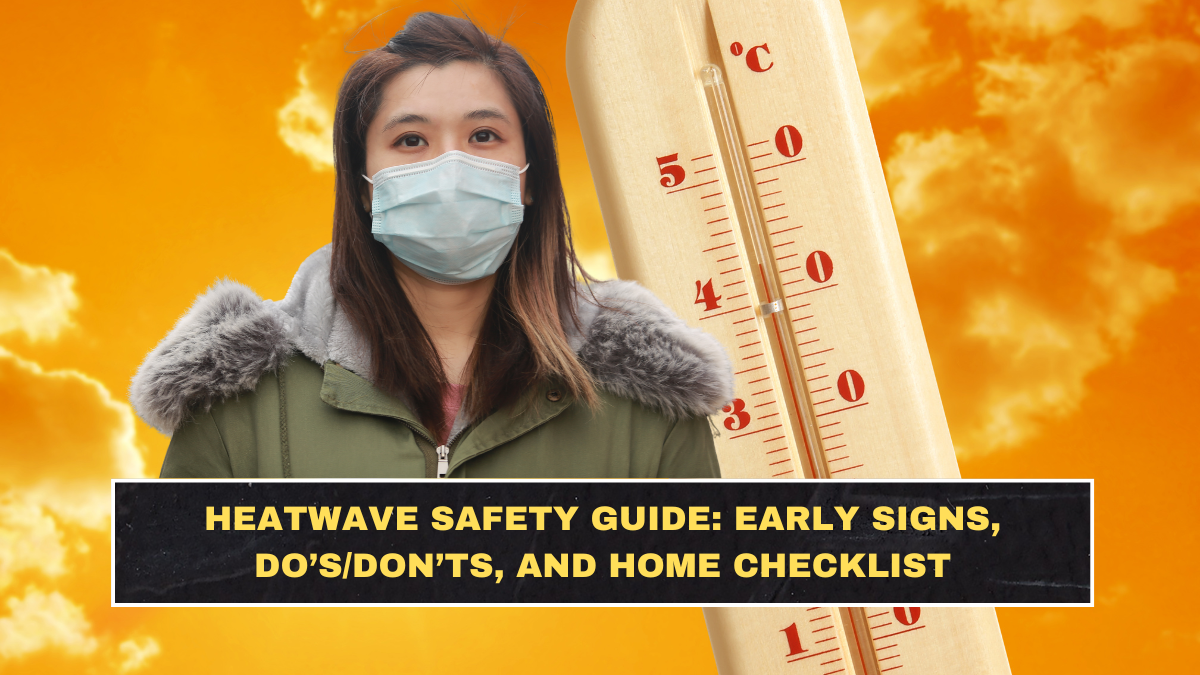
Heatwaves are becoming more frequent across many parts of India, particularly during the pre-summer and summer months. A heatwave occurs when temperatures rise significantly above the normal seasonal average for several consecutive days, creating dangerous conditions for human health and daily activities. These extreme temperatures can lead to dehydration, heat exhaustion, and in severe cases heat stroke.
Understanding how heat affects the body and knowing the early warning signs can help individuals protect themselves and their families. Simple precautions such as staying hydrated, avoiding peak afternoon heat, and adjusting daily routines can significantly reduce the risks associated with prolonged exposure to high temperatures.
What Happens to the Body During a Heatwave
When the body is exposed to extreme heat, it attempts to regulate its internal temperature primarily through sweating. However, when temperatures remain high for long periods or humidity increases, this cooling mechanism becomes less effective.
As a result, the body may begin to overheat, leading to symptoms such as fatigue, dizziness, and dehydration. If these symptoms are ignored, they can progress to more serious conditions like heat exhaustion or heat stroke, which may require immediate medical attention.
| Condition | Body Temperature Impact | Typical Symptoms |
|---|---|---|
| Mild Heat Stress | Slight increase | Thirst, sweating, tiredness |
| Heat Exhaustion | Moderate increase | Weakness, dizziness, nausea |
| Heat Stroke | Severe increase | Confusion, high fever, fainting |
Recognizing these stages early allows people to take action before the situation becomes dangerous.
Early Warning Signs of Heat-Related Illness
Heat-related illnesses usually develop gradually, starting with mild symptoms that worsen over time if the body continues to experience heat stress.
Common early signs include:
-
Persistent thirst or dehydration
-
Heavy sweating
-
Headaches
-
Muscle cramps
-
Feeling unusually tired or weak
As heat exhaustion progresses, individuals may also experience rapid heartbeat, nausea, or difficulty concentrating. Immediate cooling and hydration are essential when these symptoms appear.
Heatwave Do’s and Don’ts
Certain daily habits can make a significant difference in protecting the body from excessive heat exposure. Health experts recommend following practical precautions during periods of extreme temperatures.
| Do’s | Why It Helps |
|---|---|
| Drink water regularly | Maintains body hydration |
| Wear loose, light clothing | Allows body cooling |
| Use hats or umbrellas outdoors | Reduces sun exposure |
| Take frequent breaks in shade | Prevents overheating |
| Don’ts | Risk Created |
|---|---|
| Avoid alcohol and caffeine | Can increase dehydration |
| Do not stay outdoors during peak afternoon hours | Highest temperature exposure |
| Avoid heavy physical work in direct sun | Increases heat stress |
| Do not ignore early symptoms | Risk of heat stroke |
These precautions are especially important for individuals working outdoors, such as construction workers, farmers, and delivery personnel.
Home Safety Checklist During Heatwaves
Maintaining a cooler indoor environment can reduce the overall health impact of heatwaves. Even simple household measures can help manage indoor temperatures more effectively.
| Home Safety Measure | Benefit |
|---|---|
| Keep windows shaded during daytime | Blocks direct sunlight |
| Use fans or ventilation | Improves air circulation |
| Drink water throughout the day | Prevents dehydration |
| Store oral rehydration solutions (ORS) | Helps treat dehydration quickly |
Families with elderly members, children, or individuals with health conditions should pay special attention to maintaining hydration and monitoring symptoms.
Who Is Most Vulnerable During Heatwaves
While heatwaves affect everyone, certain groups face greater health risks. Children and elderly individuals often struggle to regulate body temperature effectively. People with heart conditions, respiratory illnesses, or diabetes may also be more sensitive to high temperatures.
Outdoor workers are another vulnerable group because they remain exposed to direct sunlight for extended periods. Ensuring access to drinking water, shaded rest areas, and protective clothing can significantly reduce health risks in these situations.
Conclusion
Heatwaves can create serious health risks, but many of these dangers can be prevented with simple awareness and preparation. Recognizing early warning signs of heat stress, staying hydrated, limiting outdoor exposure during peak heat hours, and maintaining a cooler indoor environment can protect individuals and families from heat-related illnesses. As temperatures continue to rise in many regions, adopting these safety practices becomes increasingly important for maintaining health during extreme weather conditions.
Frequently Asked Questions
What are the first symptoms of heat exhaustion?
Early symptoms include heavy sweating, dizziness, headaches, muscle cramps, and fatigue.
How much water should someone drink during a heatwave?
Health experts generally recommend drinking water frequently throughout the day, even if you do not feel thirsty.
Who is most at risk during extreme heat?
Children, elderly individuals, outdoor workers, and people with chronic health conditions are most vulnerable.
What should someone do if they suspect heat stroke?
Move the person to a cool place immediately, provide water if they are conscious, and seek medical assistance urgently.
Can fans alone prevent heat-related illness?
Fans improve air circulation but may not be sufficient during extreme heat. Hydration and shade are also essential protective measures.