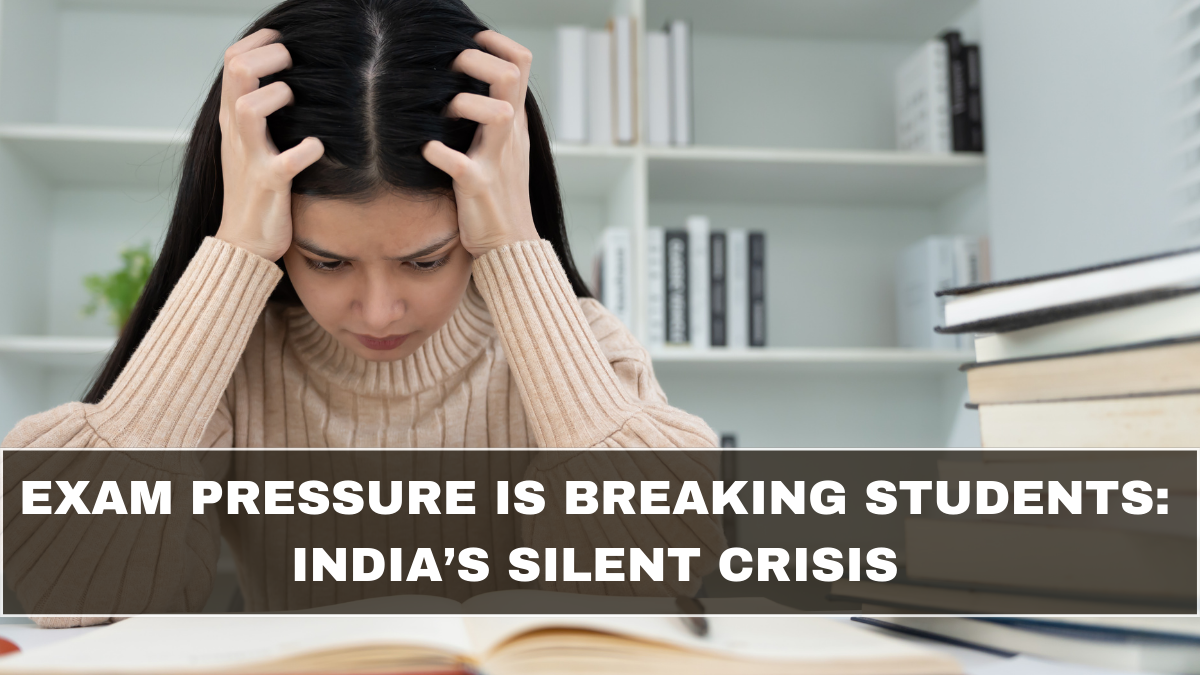
Exam burnout India is emerging as a serious concern as students face increasing pressure from competitive exams and academic expectations. From board exams to entrance tests like JEE, NEET, and AIIMS, the mental health of Indian students is under unprecedented stress. Long study hours, high expectations from parents and schools, and limited coping mechanisms contribute to anxiety, fatigue, and burnout, making it a silent crisis in the education system.
Awareness of exam-related mental health issues is growing, but proactive strategies and support systems are still limited.

What Is Exam Burnout?
Exam burnout India refers to physical, emotional, and mental exhaustion caused by prolonged academic stress. Common signs include:
• Constant fatigue and sleep disturbances
• Irritability and mood swings
• Difficulty concentrating or retaining information
• Anxiety and panic attacks
• Loss of motivation and interest in studies
Burnout often develops gradually, with students ignoring early warning signs until the pressure becomes overwhelming.
Why Students in India Are Prone to Exam Burnout
Several factors make Indian students especially vulnerable:
• Highly Competitive Exams – Admission to top colleges and scholarships drives intense preparation.
• Extended Study Hours – Students often study 8–12 hours a day, leaving little time for rest or hobbies.
• Parental and Peer Pressure – Expectations for top performance add emotional strain.
• Online Learning Challenges – Virtual classes and screen fatigue during preparation intensify stress.
• Lack of Mental Health Support – Few schools provide counselling or structured support for exam stress.
These elements combine to create a high-risk environment for student burnout.
Effects of Exam Burnout
The consequences of Exam burnout India can affect academic performance, physical health, and emotional well-being:
• Declining Grades – Burnout leads to reduced focus, memory lapses, and poor exam performance.
• Mental Health Issues – Anxiety, depression, and low self-esteem can arise from prolonged stress.
• Physical Health Problems – Headaches, digestive issues, and sleep disorders are common.
• Social Withdrawal – Students may isolate themselves from friends and family.
• Long-Term Impact – Chronic stress can affect career choices, motivation, and overall quality of life.
Recognizing these effects early is crucial for intervention.
Coping Strategies for Students
Indian students can adopt several strategies to mitigate exam burnout India:
• Structured Study Schedule – Balance study hours with breaks and leisure activities.
• Mindfulness and Meditation – Practices like yoga and breathing exercises reduce stress and improve focus.
• Adequate Sleep – Prioritizing rest helps memory retention and emotional stability.
• Physical Activity – Regular exercise improves mental health and energy levels.
• Seek Support – Parents, teachers, and mental health professionals can provide guidance and encouragement.
Implementing these strategies can significantly reduce stress and improve overall well-being.
Role of Schools and Parents
Schools and parents play a crucial role in addressing Exam burnout India:
• Counselling Services – Providing access to trained counselors for students experiencing stress.
• Reasonable Academic Expectations – Encouraging balanced preparation rather than excessive pressure.
• Regular Check-Ins – Parents and teachers monitoring emotional and physical well-being.
• Promoting Extracurricular Activities – Ensuring students have time for hobbies, sports, and social interaction.
• Stress Management Workshops – Schools can conduct sessions on coping skills, mindfulness, and resilience.
Supportive environments help students manage stress and reduce burnout risk.
Digital Tools and Mental Health Apps
Technology can assist students in managing Exam burnout India:
• Meditation and mindfulness apps like Headspace or Calm
• Study planners and time management tools
• AI-powered learning platforms with adaptive pacing
• Online counseling sessions for students in remote areas
These tools provide accessible support and help students navigate academic stress more effectively.
Conclusion
Exam burnout India is a growing crisis affecting the mental, emotional, and physical health of students. High expectations, competitive exams, and long study hours create an environment of stress and fatigue. By implementing coping strategies, promoting balanced lifestyles, and providing mental health support, parents, schools, and students can work together to mitigate the effects of burnout. Raising awareness and prioritizing student well-being is essential to ensure that India’s next generation thrives both academically and personally.
FAQs
What is exam burnout?
It is physical, emotional, and mental exhaustion caused by prolonged academic stress and overwork.
Why is exam burnout common in India?
High competition, parental pressure, long study hours, and limited mental health support contribute to the issue.
How can students prevent exam burnout?
Balanced study schedules, mindfulness, physical activity, proper sleep, and seeking support are key preventive measures.
Can parents help reduce exam stress?
Yes, parents can provide emotional support, reasonable expectations, and encourage stress-relief activities.
Are there apps to help with exam stress?
Yes, meditation, mindfulness, and AI-based study planning apps help manage stress and organize learning efficiently.
Click here to know more.