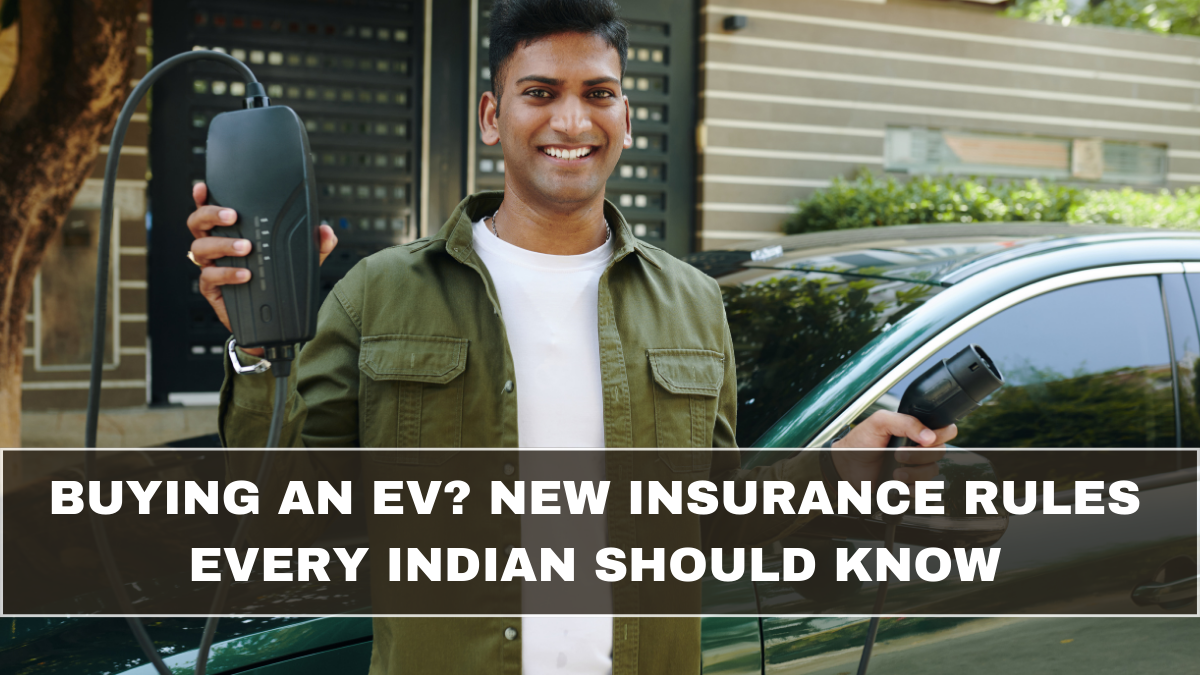
The rise of EV insurance India reflects the growing adoption of electric vehicles (EVs) and evolving regulatory policies. As more Indians shift from petrol and diesel cars to electric alternatives, understanding the nuances of EV insurance has become essential. Insurance for EVs differs from conventional vehicles due to battery costs, charging infrastructure, and specialized repair requirements, making it crucial for owners to stay informed about coverage, premiums, and policy changes.
With government incentives and stricter safety norms, EV insurance is becoming an integral part of the electric mobility ecosystem in India.

Why EV Insurance Is Different
Unlike traditional vehicles, EV insurance India accounts for:
• High-cost lithium-ion batteries
• Specialized EV repairs and components
• Longer claim settlement processes for battery or motor replacement
• Coverage for charging equipment and roadside assistance
• Government subsidies and incentives influencing premiums
These factors make EV insurance policies slightly different and, in some cases, more expensive than regular car insurance.
Recent Policy Changes in India
Indian regulators have introduced new measures for EV insurance India:
• Mandatory Comprehensive Coverage – Most EVs now require full coverage, including battery protection.
• Standardized Premiums – Guidelines for insurance providers to set premiums based on EV type and battery capacity.
• Government Subsidies – FAME II scheme continues to offer reduced insurance costs for eligible EVs.
• Specialized Add-Ons – Optional coverage for charging equipment, theft, and roadside assistance.
• Digital Claim Processes – Faster online claim settlements to accommodate EV-specific requirements.
These changes ensure clarity, accessibility, and adequate protection for EV owners.
Factors Affecting EV Insurance Premiums
Several elements influence the cost of EV insurance India:
• Battery Capacity and Value – Larger, more expensive batteries increase premiums.
• Vehicle Type – Two-wheelers, cars, and commercial EVs have different insurance rates.
• City and Risk Profile – Urban areas with higher traffic or theft risk can see higher premiums.
• Age of Vehicle – Older EVs may face lower premiums but limited coverage options.
• No-Claim Bonus (NCB) – Discounts for claim-free years apply similarly as in traditional insurance.
Understanding these factors helps EV owners choose the most suitable policy.
Benefits of EV-Specific Insurance
Specialized policies for electric vehicles offer multiple advantages:
• Battery Coverage – Protection against accidental damage or manufacturing defects.
• Repair Assistance – Access to certified EV service centers and parts.
• Financial Security – Reduces out-of-pocket expenses for repairs or replacements.
• Roadside Support – Assistance for battery-related breakdowns and towing.
• Compliance – Ensures adherence to government regulations and eligibility for subsidies.
These benefits make EV insurance not just a legal necessity but a practical investment.
Popular EV Insurance Providers in India
Several insurers now offer tailored EV insurance India policies:
• ICICI Lombard – Covers battery replacement and roadside assistance.
• Bajaj Allianz – Offers comprehensive EV policies with add-ons.
• HDFC ERGO – Digital claim processing and battery coverage included.
• Tata AIG – Focus on EV-specific risks and flexible premiums.
• New India Assurance – Standardized policies with optional add-ons for EV owners.
Consumers are advised to compare plans based on coverage, premium, and claim support.
Tips for EV Owners
EV owners in India should keep these tips in mind for EV insurance India:
• Check if battery damage and charging station accidents are included.
• Compare multiple insurers for competitive premiums and coverage.
• Consider add-ons like roadside assistance, theft protection, and third-party liability.
• Maintain records of battery health, charging, and service history.
• Stay updated on government schemes and subsidy eligibility.
Being informed ensures adequate protection and cost-efficiency.
Conclusion
EV insurance India is evolving alongside the country’s transition to electric mobility. With rising EV adoption, understanding insurance coverage, premiums, and new policy rules is crucial for owners. Comprehensive policies that include battery protection, repair assistance, and optional add-ons provide financial security and compliance with regulatory requirements. As India’s EV market grows, staying informed about insurance options ensures peace of mind for every EV owner.
FAQs
What is EV insurance in India?
It is a specialized vehicle insurance policy covering electric vehicles, including batteries, motors, and charging equipment.
Why is EV insurance different from regular car insurance?
EV insurance accounts for high-cost batteries, specialized repairs, and charging equipment, making coverage and premiums different.
Are there government subsidies for EV insurance?
Yes, under schemes like FAME II, certain EVs receive reduced premiums and incentives.
What factors affect EV insurance premiums?
Battery capacity, vehicle type, city risk, vehicle age, and no-claim bonus are key factors.
Can EV insurance cover charging station accidents?
Yes, many policies offer optional add-ons to cover damage during charging or roadside incidents.
Click here to know more.