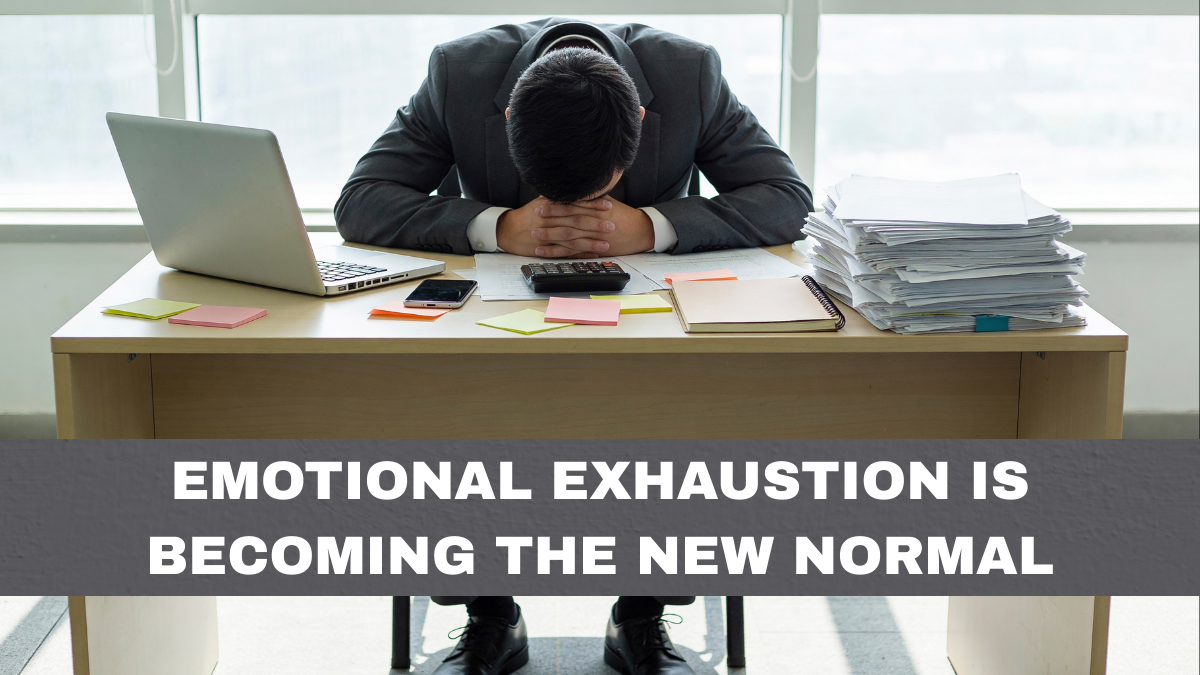
Feeling tired used to mean the body needed rest. Today, many people feel drained even after sleeping, relaxing, or taking time off. This isn’t physical fatigue—it’s emotional exhaustion. What’s alarming is how common it has become. People describe it casually, joke about it, and push through it as if it’s just part of adult life. That normalization is exactly what makes it dangerous.
Emotional exhaustion doesn’t announce itself loudly. It builds slowly through invisible stress—small pressures that never fully release. Over time, the nervous system stays activated, emotions flatten, and motivation quietly disappears.
What Emotional Exhaustion Actually Is
Emotional exhaustion isn’t sadness or weakness. It’s depletion.
It happens when:
• Emotional demands exceed recovery
• Stress never fully resolves
• Mental load stays constant
Unlike burnout, emotional exhaustion often appears without a dramatic collapse.
Why Emotional Exhaustion Feels Different From Tiredness
Rest fixes tiredness. It doesn’t always fix emotional exhaustion.
The difference shows up as:
• Feeling numb instead of sleepy
• Irritability without clear cause
• Lack of emotional response
• Reduced empathy
This exhaustion lives in the nervous system, not the muscles.
How Invisible Stress Builds Over Time
Invisible stress rarely looks urgent—but it accumulates.
Common sources include:
• Constant availability
• Background anxiety
• Unfinished mental loops
• Emotional labor
• Social comparison
Each piece feels manageable alone. Together, they overwhelm.
Why Emotional Exhaustion Is So Easy to Miss
It doesn’t stop productivity immediately.
People keep functioning because:
• Habits carry them
• Responsibilities don’t pause
• Output still exists
But internal capacity keeps shrinking.
The Role of Constant Mental Load
Modern life rarely allows mental off-time.
Mental load comes from:
• Managing schedules
• Remembering obligations
• Processing information continuously
Even “rest” often includes thinking.
Why Emotional Exhaustion Feels Normal Now
When everyone feels drained, exhaustion becomes baseline.
It feels normal because:
• Peers express the same fatigue
• Culture glorifies pushing through
• Rest is undervalued
Shared exhaustion gets mistaken for health.
Emotional Numbness as a Warning Sign
One of the clearest signs is emotional flattening.
People notice:
• Reduced excitement
• Muted sadness
• Indifference
This isn’t balance—it’s depletion.
How Emotional Exhaustion Affects Relationships
Exhaustion limits emotional availability.
It leads to:
• Shorter patience
• Less empathy
• Emotional withdrawal
Connections weaken quietly, not dramatically.
Why Motivation Disappears
Motivation depends on emotional energy.
When emotional exhaustion sets in:
• Goals feel heavy
• Initiative drops
• Everything feels effortful
This isn’t laziness—it’s lack of fuel.
The Long-Term Cost of Ignoring It
Unchecked emotional exhaustion can evolve into:
• Burnout
• Anxiety
• Depression
• Physical symptoms
Ignoring it doesn’t make it pass—it makes it deeper.
Why Time Off Isn’t Always Enough
Breaks help, but they don’t remove causes.
If invisible stress remains:
• Exhaustion returns quickly
• Relief feels temporary
Recovery requires changing emotional load, not just pausing it.
How to Recognize Emotional Exhaustion Early
Early awareness prevents collapse.
Warning signs include:
• Feeling “flat”
• Constant mental heaviness
• Reduced tolerance
• Emotional detachment
These signals matter.
What Actually Helps Emotional Recovery
True recovery restores emotional capacity.
Helpful shifts include:
• Reducing constant input
• Creating emotional boundaries
• Allowing unfinished tasks
• Letting go of over-responsibility
Relief comes from subtraction, not addition.
Why Naming Emotional Exhaustion Matters
Naming validates experience.
When named:
• People stop self-blame
• Patterns become visible
• Change becomes possible
Invisible stress loses power when seen.
Conclusion
Emotional exhaustion is becoming the new normal—not because it’s healthy, but because it’s widespread. Invisible stress, constant mental load, and cultural pressure to keep going have made depletion feel ordinary. But ordinary doesn’t mean safe.
Emotional energy is finite. When it’s continuously drained without restoration, numbness replaces vitality. Recognizing emotional exhaustion early isn’t weakness—it’s awareness. And awareness is where recovery begins.
FAQs
What is emotional exhaustion?
It’s a state of emotional depletion caused by prolonged stress and mental load.
How is emotional exhaustion different from burnout?
Burnout is often work-related and dramatic; emotional exhaustion is quieter and broader.
What causes invisible stress?
Constant availability, mental overload, emotional labor, and unresolved pressures.
Can emotional exhaustion go away on its own?
Not usually. It requires reducing emotional load, not just resting.
Is emotional exhaustion a mental health issue?
It’s a warning state that can lead to mental health conditions if ignored.
Click here to know more.