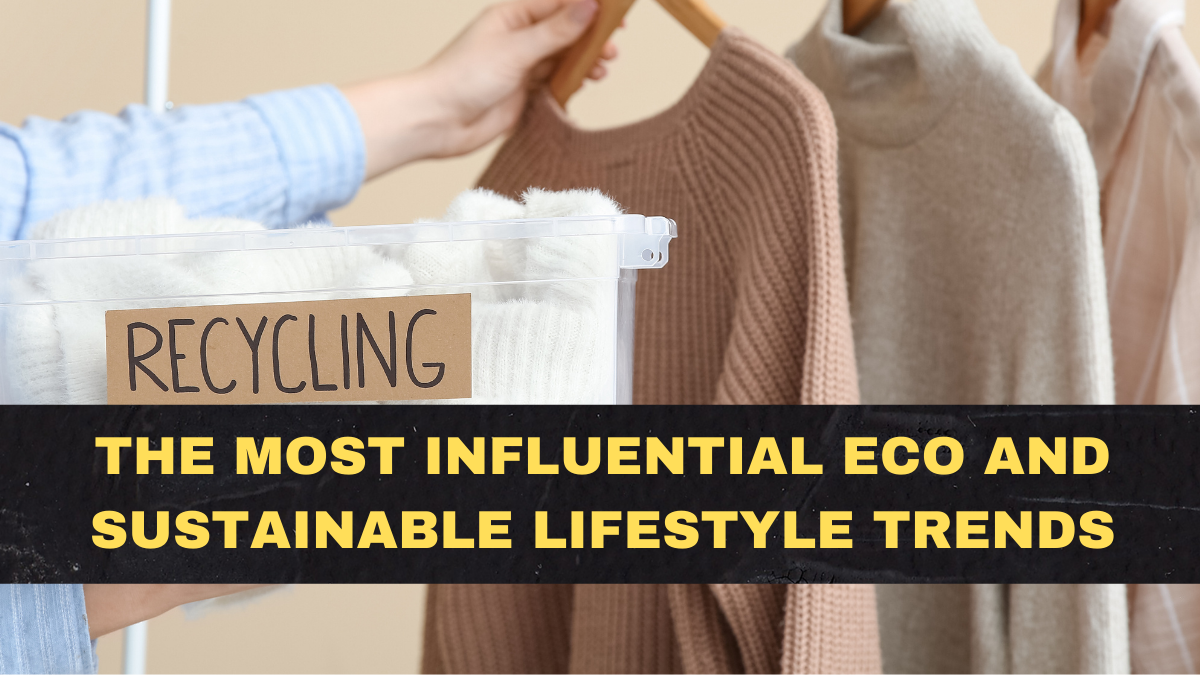
The rise of eco lifestyle trends in 2026 isn’t driven by guilt or slogans anymore. It’s driven by practicality. People are no longer trying to “save the planet” in abstract terms—they’re trying to live better, spend smarter, and reduce waste without sacrificing comfort. Sustainability has shifted from idealism to everyday decision-making.
This evolution reflects a broader move toward mindful living, where choices are intentional, measurable, and realistic rather than performative.
Why Sustainability Feels Different in 2026
Earlier sustainability waves focused on awareness. In 2026, action takes priority.
Key reasons eco living is accelerating:
• Rising cost of living pushing efficiency
• Clearer understanding of personal impact
• Fatigue with greenwashing
• Preference for long-term value over disposability
These forces make eco lifestyle trends feel grounded rather than aspirational.
Mindful Living Is Replacing Extreme Eco Ideals
People are stepping away from all-or-nothing sustainability. Balance is winning.
Mindful living focuses on:
• Doing what’s sustainable enough
• Reducing waste without lifestyle shock
• Choosing durability over novelty
• Aligning values with daily habits
This approach makes sustainability accessible to more people.
Low-Waste Habits Are Becoming Normalized
Waste reduction no longer feels niche—it’s becoming default behavior.
Common low-waste habits include:
• Refillable household products
• Buying fewer, higher-quality items
• Repairing instead of replacing
• Conscious food storage and planning
These small shifts collectively define modern eco lifestyle trends.
Sustainable Consumption Over Sustainable Products
Buying “eco” labels alone isn’t enough anymore. Consumption itself is under scrutiny.
New priorities include:
• Buying less, not just greener
• Avoiding impulse purchases
• Valuing longevity and repairability
• Sharing, borrowing, or renting
Sustainability is moving upstream—from products to behavior.
Food Choices Are Driving Eco Awareness
Food remains one of the easiest entry points into sustainable living.
Popular food-related shifts:
• Reduced food waste
• More plant-forward meals
• Local and seasonal sourcing
• Conscious packaging choices
These habits support both sustainability and personal health.
Home Efficiency Is a Major Focus Area
People are investing in efficiency where it pays back.
Home-focused trends include:
• Energy-efficient appliances
• Smarter water usage
• Natural lighting optimization
• Minimalist, multi-use spaces
Efficiency is now seen as financial intelligence, not sacrifice.
Why Eco Living Is Becoming Quiet, Not Loud
In 2026, sustainable choices are less about signaling and more about results.
Quiet sustainability looks like:
• No public declarations
• Fewer trend-driven purchases
• Long-term habit formation
• Personal accountability
This shift strengthens trust in eco lifestyle trends.
The Role of Community in Sustainable Living
Sustainability works better when shared.
Community-driven practices include:
• Local swaps and exchanges
• Skill-sharing workshops
• Repair communities
• Neighborhood sustainability initiatives
Collective action reduces individual pressure.
How Brands Are Responding to Smarter Consumers
Consumers are skeptical and informed. Brands must adapt.
Successful brand responses include:
• Transparent sourcing
• Durable product design
• Clear impact communication
• Reduced packaging waste
Superficial sustainability claims no longer survive scrutiny.
Why These Trends Are Built to Last
The current wave of eco lifestyle trends aligns with economic reality, not just environmental concern.
They persist because they:
• Save money over time
• Reduce stress and clutter
• Improve quality of life
• Feel achievable
Sustainability is becoming self-reinforcing.
Conclusion
The most influential eco lifestyle trends of 2026 reflect a cultural shift toward realism, restraint, and mindful living. Sustainability is no longer about perfection—it’s about consistency and intention.
As people align environmental responsibility with everyday benefit, eco living stops being a trend and becomes a lifestyle standard.
FAQs
What are eco lifestyle trends in 2026?
They focus on practical, everyday sustainability through reduced waste, mindful consumption, and efficiency.
Is sustainable living expensive?
Not necessarily. Many eco habits save money by reducing waste and encouraging durability.
What is mindful living in sustainability?
It’s making intentional choices that balance environmental impact with realistic daily life.
Are people still buying eco-labeled products?
Yes, but with more skepticism and focus on long-term value.
Is sustainability becoming mainstream?
Yes. It’s moving from niche movements into everyday behavior.