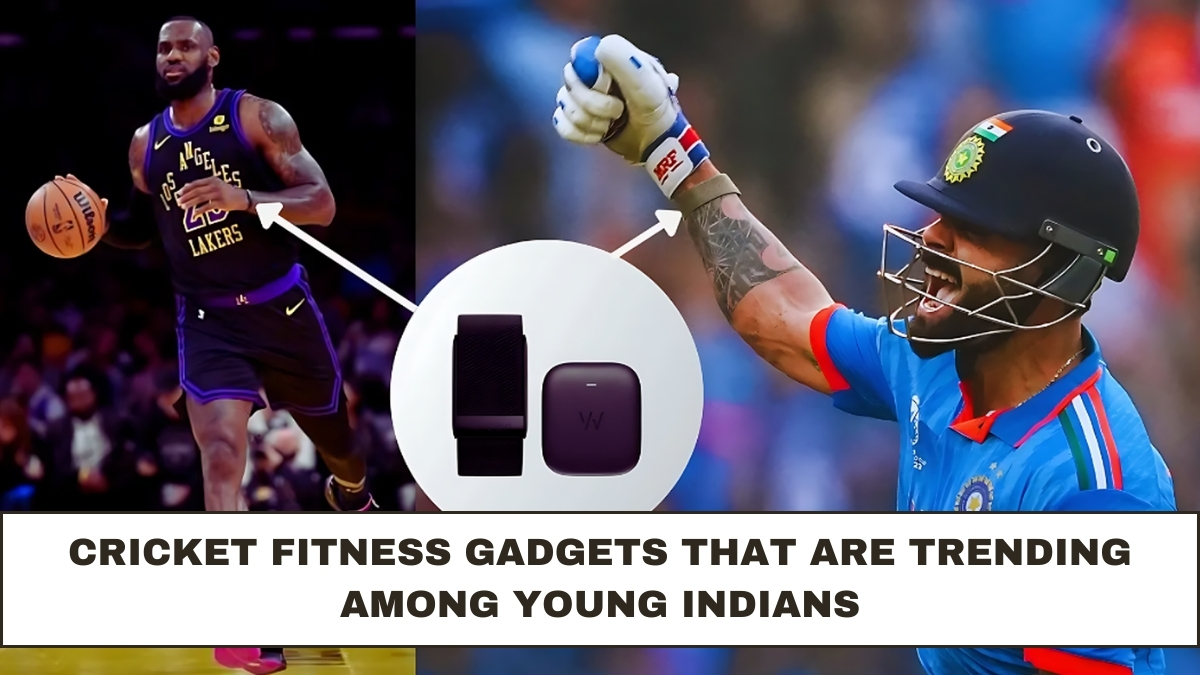
The cricket fitness gadget trend is rapidly gaining momentum as young Indian cricketers turn to technology to improve performance, stamina, and injury prevention. From wearable trackers to smart training tools, modern sports tech is transforming how aspiring players train both on and off the field.
With fitness becoming just as important as skill in modern cricket, these gadgets are no longer limited to professionals. School-level players, academies, and amateur athletes are now adopting advanced gear to gain an edge.
Why Fitness Gadgets Are Becoming Popular in Indian Cricket
Cricket has evolved into a high-intensity sport that demands speed, endurance, and consistency. This shift has fueled the cricket fitness gadget trend, especially among youth who follow professional routines online.
Key reasons behind the rise include:
• Influence of international cricketers’ training routines
• Increased awareness of sports science
• Affordable wearable technology
• Social media fitness content
• Academy-level performance tracking
Young players now see fitness data as a core part of improvement, not just an add-on.
Types of Cricket Fitness Gadgets Gaining Popularity
The sports tech ecosystem for cricket includes a wide range of wearable and smart devices. Each serves a specific training purpose.
Common gadgets trending among players include:
• Smart fitness bands and watches
• Heart-rate and recovery trackers
• Motion and posture sensors
• Smart jump ropes
• GPS-based activity trackers
These tools support the growing cricket fitness gadget trend by offering real-time insights.
Wearable Trackers and Smart Bands
Wearable trackers are the most widely adopted devices among young cricketers. They monitor physical activity throughout training and matches.
Popular features include:
• Step and calorie tracking
• Heart rate monitoring
• Sleep analysis
• Recovery insights
• Training intensity data
Such data helps players balance workload and avoid overtraining, making these gadgets central to modern sports tech usage.
Smart Sensors for Bowling and Batting Practice
Another rising part of the cricket fitness gadget trend is motion-based sensors. These devices analyze technique and movement patterns.
They are used to:
• Track bowling speed and action
• Measure bat swing angles
• Monitor impact force
• Improve consistency
• Reduce injury risk
Young cricketers find these tools helpful for self-correction without constant coaching.
Fitness Apps Supporting Cricket Training
Alongside hardware, fitness apps play a big role in organizing training routines. These apps integrate with wearables and offer customized programs.
Key features include:
• Personalized workout plans
• Match-day preparation routines
• Recovery guidance
• Hydration reminders
• Performance reports
This digital ecosystem strengthens the overall cricket fitness gadget trend by making training more structured.
Why Young Indian Players Are Embracing Sports Tech
The mindset of young athletes has shifted toward data-backed improvement. Access to YouTube training content and professional insights has encouraged experimentation with sports tech.
Main reasons for adoption:
• Desire to train like professionals
• Easy access to gadgets online
• Peer influence from academies
• Growing awareness of injury prevention
• Focus on long-term fitness
Technology now feels like a necessity rather than a luxury.
Role of Social Media in Popularising Cricket Gadgets
Social media platforms are playing a major role in spreading the cricket fitness gadget trend. Short videos showing training routines, gadget demos, and performance improvements attract massive attention.
Common content formats include:
• Before-and-after fitness clips
• Gadget review reels
• Training montages
• Academy routines
• Athlete lifestyle videos
These visuals motivate young players to explore similar gear for their own training.
Benefits of Using Fitness Gadgets for Cricket
The growing popularity of these tools is driven by tangible benefits that athletes experience.
Key advantages include:
• Better stamina management
• Improved recovery
• Reduced injury risk
• Performance consistency
• Data-driven goal setting
Such benefits explain why the cricket fitness gadget trend continues to expand across age groups.
Challenges and Things to Keep in Mind
Despite the excitement, experts suggest using sports technology wisely. Over-reliance without proper guidance can lead to confusion or misinterpretation.
Important considerations:
• Data should guide, not replace coaching
• Gadgets vary in accuracy
• Consistency matters more than tools
• Rest and nutrition remain essential
• Technique still needs human correction
Balanced usage ensures the sports tech advantage works effectively.
Why This Trend Is Growing So Fast in India
India’s massive youth population and love for cricket make it a natural ground for innovation. As access improves, the cricket fitness gadget trend is expected to expand even further.
Contributing factors include:
• Growing sports startup ecosystem
• Rising fitness awareness
• Affordable wearable tech
• Digital coaching platforms
• Aspirations for professional cricket
This combination has created a perfect environment for tech-driven training.
Final Thoughts
The cricket fitness gadget trend reflects a new era where passion meets precision. Young Indian cricketers are embracing sports tech and smart gear to train smarter, recover better, and compete harder. As awareness and accessibility continue to grow, fitness gadgets are likely to become an essential part of cricket development across the country.
FAQs
What are cricket fitness gadgets?
They are wearable or smart devices that track fitness, movement, and performance for cricket training.
Are fitness gadgets useful for beginners?
Yes, they help beginners understand activity levels, recovery, and training habits.
Which gadgets are most popular among young cricketers?
Fitness bands, heart-rate monitors, and motion sensors are the most common.
Do professional cricketers use such technology?
Yes, most professionals rely on advanced sports tech for training and recovery.
Can these gadgets prevent injuries?
They help monitor workload and recovery, which can reduce injury risk when used correctly.