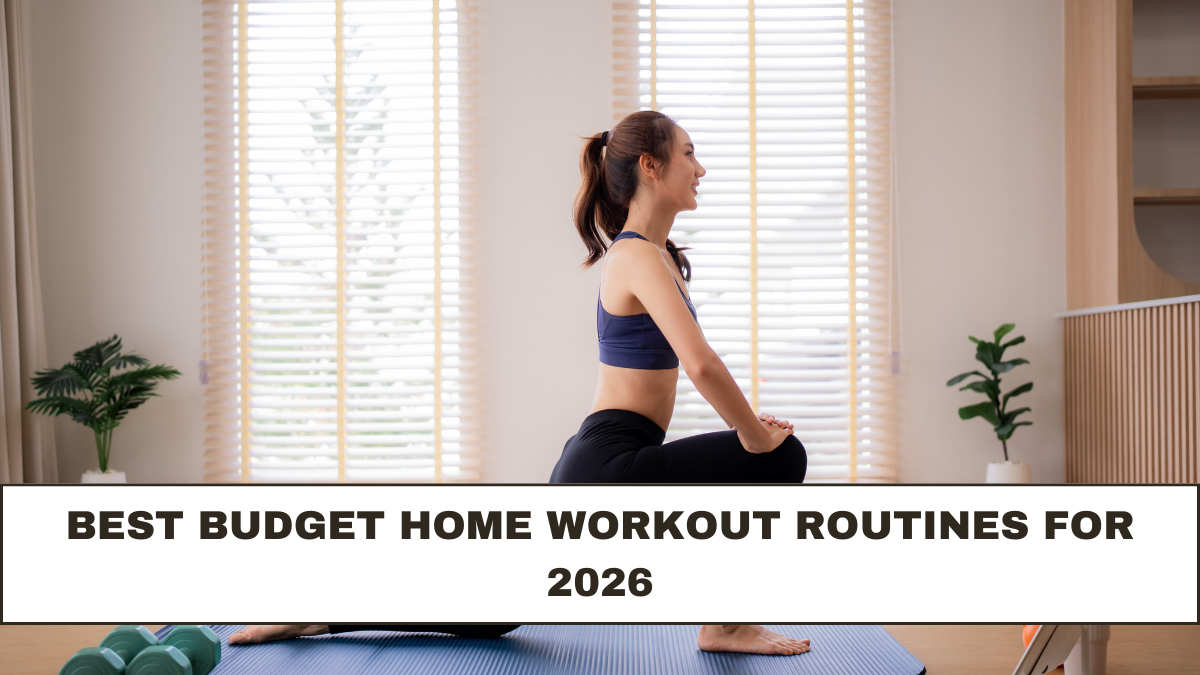
Staying fit in 2026 doesn’t require expensive gym memberships or equipment. Budget home workouts have become increasingly popular, offering effective ways to improve strength, flexibility, and cardiovascular health right in your living room. Whether you are a beginner or an experienced fitness enthusiast, these routines focus on using your body weight and minimal space to deliver maximum results.
With fitness at home trends rising, individuals are combining convenience, affordability, and health-conscious lifestyles.
Why Budget Home Workouts Are Trending in 2026
Several factors contribute to the growing popularity of budget home workouts:
• Rising cost of gym memberships and fitness classes
• Flexibility to exercise at any time without commuting
• Increased awareness of health, immunity, and mental wellbeing
• Accessibility for people with limited space or resources
• Integration with online fitness apps and digital guidance
Home-based fitness has become a practical, effective, and sustainable option for people of all ages.
Warm-Up Routines for Home Fitness
A proper warm-up is crucial to prevent injuries and maximize workout effectiveness. Some simple no equipment warm-up routines include:
• Jumping jacks or high knees for 3–5 minutes
• Arm circles, shoulder shrugs, and torso twists
• Dynamic stretches like leg swings and lunges
• Light jogging in place
• Stretching wrists, ankles, and neck to improve mobility
Starting with a warm-up prepares your muscles and joints for a safe, productive workout session.
Strength and Bodyweight Exercises
Budget home workouts rely heavily on bodyweight exercises to build strength and tone muscles. Effective routines include:
• Push-ups for chest, shoulders, and triceps
• Squats and lunges to strengthen legs and glutes
• Planks and side planks for core stability
• Glute bridges to target lower back and glutes
• Burpees for full-body strength and cardio boost
These exercises require no equipment, making them ideal for home fitness.
Cardiovascular Workouts at Home
Cardio is essential for heart health and fat loss. You can perform effective fitness at home cardio routines without any machines:
• Jump rope alternatives like simulated skipping
• Mountain climbers for endurance and core strength
• Dancing or aerobic routines to music
• Stair climbing or step-ups if space allows
• HIIT circuits combining jumps, sprints, and bodyweight exercises
Short, consistent cardio sessions help improve stamina while keeping workouts engaging.
Flexibility and Mobility Exercises
Incorporating flexibility and mobility is key to a well-rounded budget home workout. Recommended routines include:
• Yoga sequences like sun salutations and cat-cow stretches
• Hamstring, hip, and calf stretches after strength exercises
• Shoulder openers and chest stretches for posture
• Foam rolling or using a rolled towel for self-massage
• Mobility drills for ankles, hips, and shoulders to enhance performance
Flexibility and mobility exercises prevent injuries, relieve tension, and improve overall body function.
Combining Workouts into a Routine
Creating a structured routine ensures balanced fitness at home. A simple weekly plan for no equipment workouts could be:
• Monday & Thursday: Strength and core exercises
• Tuesday & Friday: Cardio and HIIT sessions
• Wednesday: Flexibility and yoga-focused recovery
• Saturday: Full-body circuit combining strength, cardio, and mobility
• Sunday: Active rest or light stretching
Consistency, rather than duration, is key for long-term results with budget home workouts.
Using Digital Resources for Guidance
Online tools, apps, and videos enhance fitness at home routines in 2026:
• Guided bodyweight workouts on YouTube or fitness apps
• AI-powered fitness apps providing personalized plans
• Virtual challenges and communities for motivation
• Tracking apps for progress and consistency
• Tutorials on proper form to prevent injuries
Digital resources make home workouts interactive, structured, and measurable.
Conclusion
Budget home workouts in 2026 allow anyone to stay fit, healthy, and active without expensive equipment or gym memberships. By combining bodyweight strength exercises, cardio routines, flexibility training, and digital guidance, you can achieve fitness goals effectively at home. These no equipment workouts are practical, convenient, and adaptable to any lifestyle, making home fitness a sustainable choice for years to come.
FAQs
What are the best home workouts with no equipment?
Push-ups, squats, lunges, planks, burpees, mountain climbers, and yoga sequences are highly effective.
How often should I do budget home workouts?
Aim for 4–5 days a week, mixing strength, cardio, and flexibility exercises.
Can I build muscle without gym equipment?
Yes, bodyweight exercises and progressive variations can build strength and tone muscles effectively.
How long should a home workout session be?
20–45 minutes per session is sufficient for strength, cardio, and flexibility routines.
Are online fitness apps useful for home workouts?
Absolutely, they provide guidance, track progress, and offer structured routines for all fitness levels.
Click here to know more.