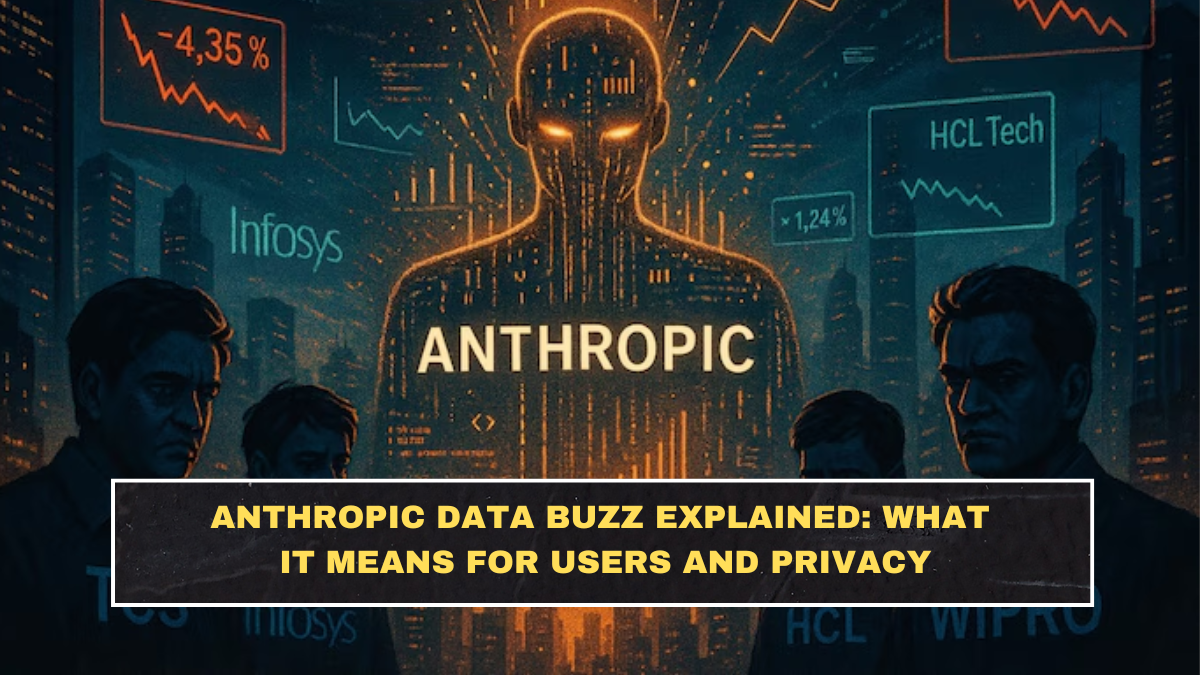
The phrase “Anthropic data” has recently become a trending topic in technology discussions as users try to understand how artificial intelligence companies collect and use data. Anthropic, the company behind the Claude AI assistant, is one of the major players in the rapidly growing AI industry. As more people rely on AI tools for writing, coding, research, and productivity tasks, questions about data usage and privacy have become increasingly important.
Whenever discussions emerge about AI data practices, users want to know whether their conversations, prompts, or uploaded content could be used to train future AI models. Understanding how AI systems handle data helps users make informed decisions about privacy and security while using these tools.
What Is Anthropic?
Anthropic is an artificial intelligence company that focuses on developing AI systems designed to be safe, reliable, and aligned with human values. The company created the Claude family of AI models, which are used for tasks such as text generation, coding assistance, analysis, and conversational interactions.
| Category | Information |
|---|---|
| Company | Anthropic |
| Product | Claude AI models |
| Industry | Artificial intelligence |
| Focus | Safe and aligned AI systems |
| Founded | 2021 |
Anthropic is part of a broader group of technology companies building advanced large language models.
What “AI Training Data” Means
AI systems like Claude or other language models require large amounts of data during training. Training data helps the model learn language patterns, reasoning structures, and contextual understanding.
| Data Source Type | Purpose |
|---|---|
| Publicly available text | Helps model learn language patterns |
| Licensed datasets | Provides curated training material |
| Human feedback | Improves model behavior |
| Synthetic data | Generated during training processes |
Training data typically includes a mixture of different sources to improve model accuracy and reliability.
User Data vs Training Data
One of the most common questions users ask is whether the content they enter into AI systems becomes part of the training dataset.
| Data Type | Explanation |
|---|---|
| Training Data | Information used during initial model development |
| User Prompts | Inputs users provide during interaction |
| Usage Data | Technical information used to improve services |
| Feedback Data | Data used to refine model responses |
Companies often publish privacy policies explaining how user data may or may not be used for training purposes.
Privacy Considerations When Using AI Tools
Because AI assistants process user inputs, privacy is an important topic for individuals and organizations using these tools. Many platforms allow users to review or adjust certain privacy settings related to data usage.
| Privacy Factor | Why It Matters |
|---|---|
| Data storage | Determines how long information is kept |
| Data usage | Whether inputs may be used for improvement |
| User controls | Settings that allow opt-out options |
| Security measures | Protect user information |
Understanding these aspects can help users manage how their information is handled.
Why AI Data Policies Receive Public Attention
Public discussions around AI data policies often arise when new technologies become widely used. As AI systems grow more powerful and integrated into daily workflows, people naturally want transparency about how their information is handled.
| Concern | Explanation |
|---|---|
| Privacy protection | Safeguarding personal information |
| Transparency | Clear explanations of data usage |
| Security | Preventing unauthorized access |
| Ethical AI development | Ensuring responsible technology use |
Technology companies often address these concerns by publishing documentation explaining their data policies.
Global Growth of AI Platforms
Artificial intelligence adoption has expanded rapidly across industries such as education, healthcare, business, and software development.
| Sector | AI Usage |
|---|---|
| Technology | Software development and automation |
| Education | Learning tools and tutoring systems |
| Healthcare | Data analysis and diagnostics |
| Business | Customer service and analytics |
This widespread adoption increases the importance of clear policies regarding how AI systems handle data.
How Users Can Protect Their Data
While AI platforms often implement privacy protections, users can also take steps to safeguard sensitive information when interacting with AI systems.
| Step | Benefit |
|---|---|
| Avoid sharing sensitive personal data | Reduces privacy risks |
| Review platform privacy policies | Understand data usage |
| Use enterprise or secure environments | Additional protection for businesses |
| Monitor platform settings | Control available privacy options |
These precautions help users maintain greater control over their information.
Conclusion
The growing interest in Anthropic data practices reflects a broader conversation about privacy in the age of artificial intelligence. As AI tools become part of everyday workflows, transparency about how data is handled becomes increasingly important for both users and developers.
By understanding how AI systems use training data and how platforms manage user inputs, individuals and organizations can make more informed decisions when using AI-powered tools.
FAQs
What is Anthropic?
Anthropic is an artificial intelligence company that develops AI models such as the Claude assistant.
What does AI training data mean?
Training data refers to large datasets used to teach AI models language patterns and reasoning abilities.
Does AI use user conversations for training?
Policies vary by platform, and companies typically explain how user data may be used in their privacy documentation.
Why are AI data policies important?
They help users understand how their information is stored, processed, and protected.
How can users protect their data when using AI tools?
Users can avoid sharing sensitive information and review platform privacy settings to control how data is handled.