
The loud fear was always the same: AI will replace experienced professionals. In 2026, the opposite is happening. AI replacing junior roles has become the real employment shock. Entry-level jobs—the traditional doorway into careers—are vanishing first, quietly automated out of existence before graduates even get a chance.
This isn’t about robots taking leadership roles. It’s about software absorbing the exact tasks juniors used to learn on.

Why Entry-Level Jobs Are Disappearing First
Entry-level work was always task-heavy and judgment-light—the perfect target for automation.
What made these roles vulnerable:
• Repetitive, rules-based tasks
• Clear inputs and outputs
• High volume, low autonomy
• Heavy supervision requirements
When AI tools matured, AI replacing junior roles became economically obvious.
Which Junior Tasks AI Absorbed the Fastest
The pattern is consistent across industries.
Commonly automated junior work:
• Data cleaning and basic analysis
• First-draft writing and summaries
• Resume screening and scheduling
• Customer support triage
• QA checks and reporting
These were once learning steps. Now they’re API calls.
Why Seniors Are Safer (For Now)
Senior roles survive because they operate above task level.
They rely on:
• Contextual judgment
• Cross-team coordination
• Accountability for outcomes
• Strategic decision-making
AI excels at execution—not ownership. That’s why AI replacing junior roles comes first.
The Broken Career Ladder Problem
Careers used to follow a ladder: observe → assist → own.
AI removed the first two rungs.
Consequences include:
• Fewer apprenticeship-style roles
• Harder skill accumulation
• Experience requirements without pathways
• Talent bottlenecks at mid-levels
When entry points vanish, the entire system destabilizes.
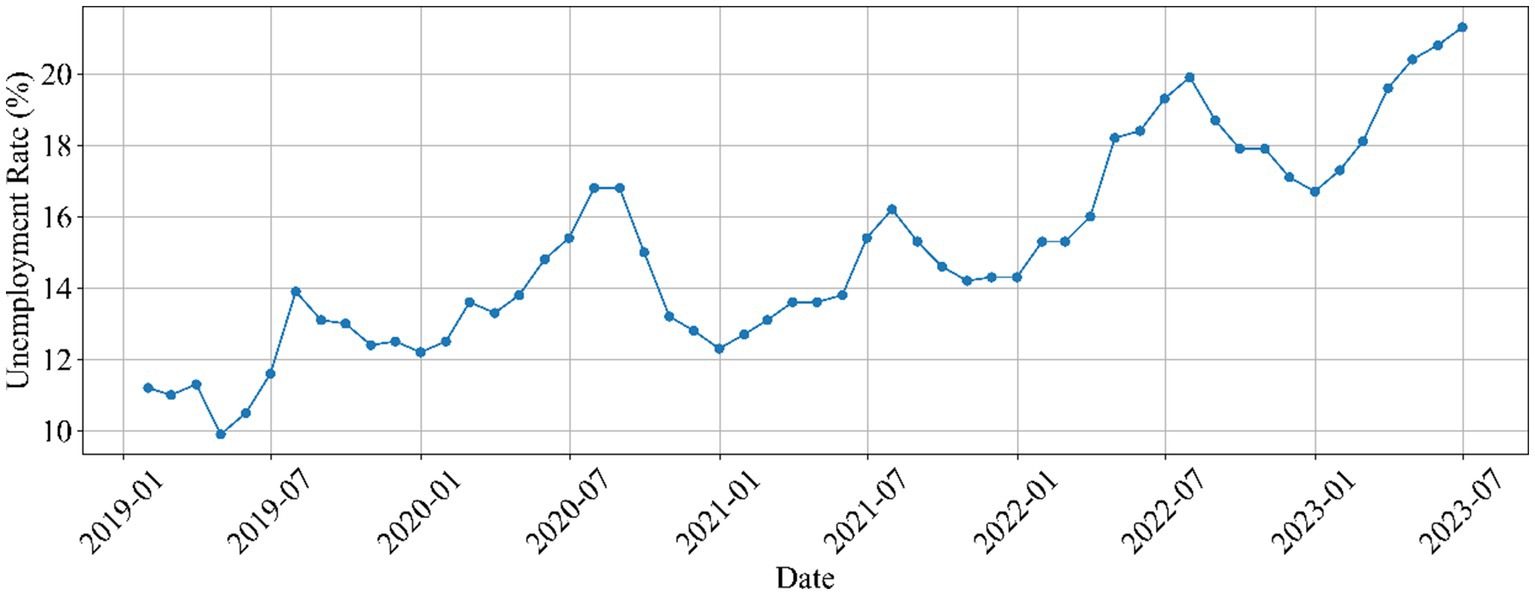
How Companies Justify Cutting Junior Hiring
Most organizations frame it as efficiency.
Common rationales:
• “AI handles the basics now”
• “We’ll hire fewer, better people”
• “Juniors slow teams down”
• “Training costs too much”
But AI replacing junior roles often shifts costs downstream, not away.
Why This Hurts Companies Long-Term
Cutting juniors saves money today—but creates talent gaps tomorrow.
Long-term risks include:
• No internal talent pipeline
• Overreliance on expensive seniors
• Cultural stagnation
• Knowledge concentration risk
Organizations that stop training eventually stop innovating.
Graduates Face a Catch-22
New entrants are trapped by a contradiction.
They’re told:
• “You need experience”
• “Entry roles no longer exist”
• “AI already does that”
AI replacing junior roles creates a generation locked out of starting lines.
Why Internships Aren’t Filling the Gap
Internships used to bridge the divide. Now they’re shrinking too.
Why:
• Short timelines don’t justify training
• AI tools reduce intern workload
• Liability and compliance fears
• Preference for “job-ready” hires
The pipeline keeps narrowing.
How Entry-Level Work Is Being Redefined
Some junior roles aren’t gone—they’re transformed.
New expectations include:
• Tool orchestration over task execution
• Prompting and verification
• Cross-functional exposure early
• Faster ramp-up to responsibility
Surviving juniors are expected to operate above their years.
What Skills Still Protect Early-Career Workers
Not all skills are equally exposed.
More resilient capabilities:
• Critical thinking and synthesis
• Communication and collaboration
• Domain understanding
• Judgment under ambiguity
These delay—but don’t eliminate—the impact of AI replacing junior roles.
What Employers Could Do Instead
The problem isn’t AI—it’s deployment choices.
Healthier alternatives:
• AI-augmented apprenticeships
• Junior roles focused on oversight
• Structured mentorship programs
• Clear progression frameworks
Automation should compress grunt work—not erase learning.
What This Means for the Future of Work
If entry points disappear, inequality widens.
Likely outcomes:
• Harder social mobility
• Credential inflation
• Longer unpaid learning phases
• Talent shortages at mid-career levels
AI replacing junior roles isn’t just a jobs issue—it’s a system design failure.
Conclusion
AI isn’t coming for corner offices first. It’s coming for cubicles. AI replacing junior roles reveals a painful truth: efficiency without pathways breaks careers before they begin. If companies want sustainable talent, they must redesign entry—not eliminate it.
The future of work depends on who gets a first chance. Remove that, and everyone pays later.
FAQs
Is AI replacing entry-level jobs in 2026?
Yes. Task-based junior roles are being automated first across sectors.
Are senior jobs safe from AI?
More resilient, yes—but not immune long term.
Which industries are most affected?
Tech, finance, marketing, support, and operations.
Can graduates still break in?
Yes, but pathways are narrower and more demanding.
What’s the best response to AI replacing junior roles?
Create AI-augmented entry paths that preserve learning and progression.
Click here to know more.