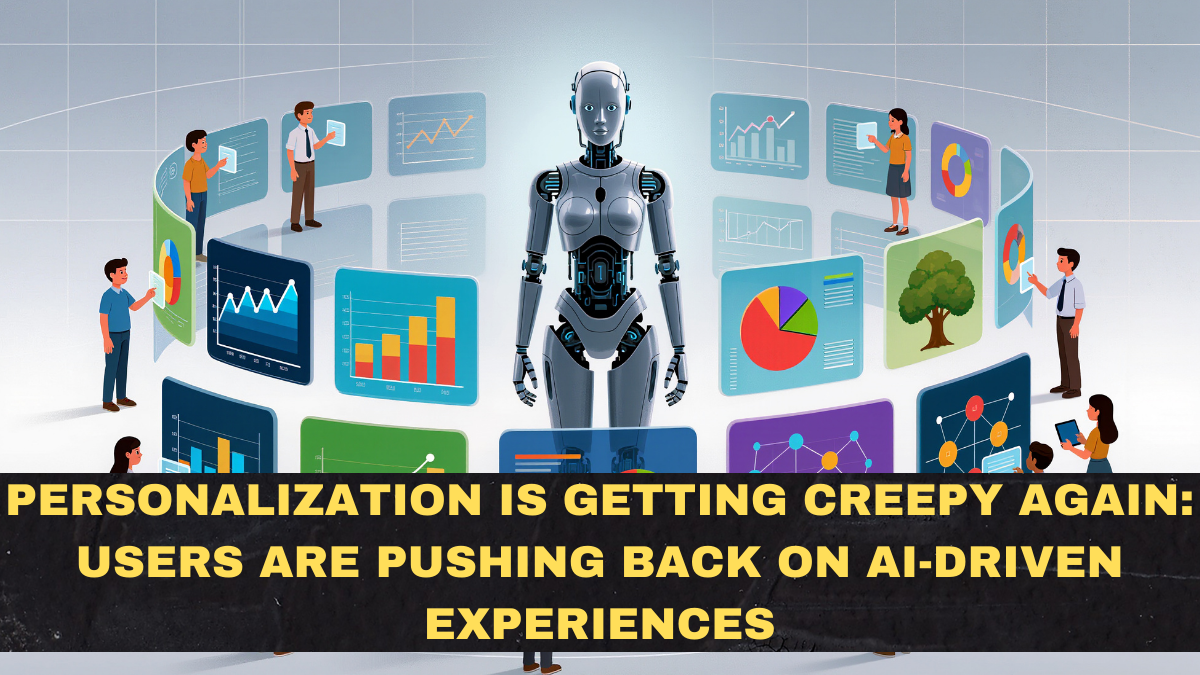
AI personalization fatigue is becoming one of the clearest warning signs in consumer technology in 2026. For years, personalization was treated as the holy grail of digital experience. Apps learned preferences, predicted needs, curated feeds, customized prices, and automated recommendations.
At first, users loved it.
Then something shifted.
People now increasingly feel:
• Watched instead of understood
• Predicted instead of helped
• Nudged instead of served
• Profiled instead of respected
Instead of delight, personalization is now triggering discomfort.
This is not a rejection of AI. It is a rejection of overreach.
In 2026, users are not asking for less intelligence. They are asking for less intrusion.
Why Personalization Crossed the Comfort Line
Early personalization focused on obvious signals:
• Past purchases
• Viewed products
• Watched videos
• Search history
• Click behavior
Over time, systems expanded into:
• Location tracking
• Email scanning
• App usage correlation
• Cross-device linking
• Voice and image analysis
• Behavioral prediction
The result:
• Ads referencing private conversations
• Feeds predicting life events
• Recommendations revealing sensitive interests
• Pricing adapting to perceived willingness to pay
Users now frequently think:
“How did it know that?”
When systems know too much, usefulness turns into surveillance anxiety.
What AI Personalization Fatigue Actually Means
AI personalization fatigue is not about boredom.
It is about:
• Loss of autonomy
• Perceived manipulation
• Privacy discomfort
• Algorithmic pressure
• Decision fatigue
Symptoms include:
• Ignoring recommendations
• Disabling personalization
• Switching to private modes
• Avoiding certain platforms
• Using anonymous browsing
• Reducing app permissions
Users are not leaving technology.
They are defending personal boundaries.
Why Over-Personalization Feels Manipulative
The deeper personalization goes, the more it influences behavior.
Modern systems now:
• Predict emotional states
• Anticipate purchases
• Shape content exposure
• Influence timing decisions
• Nudge spending behavior
• Optimize addiction loops
This creates fears of:
• Behavioral control
• Hidden persuasion
• Algorithmic dependency
• Loss of free choice
When recommendations become too accurate, users feel:
• Studied
• Steered
• Exploited
Convenience becomes indistinguishable from manipulation.
How Privacy Pushback Is Accelerating This Trend
Privacy awareness in 2026 is far higher than before.
Users now actively track:
• Data permissions
• App tracking requests
• Cross-app sharing
• Ad personalization settings
• Recommendation explanations
High-profile incidents involving:
• Data leaks
• AI training misuse
• Undisclosed profiling
• Email and photo scanning
Have intensified distrust.
As a result:
• Tracking opt-outs increase
• Ad personalization declines
• Recommendation relevance drops
• Data-sharing consent shrinks
Personalization systems now face a paradox:
The more data they need, the less data users allow.
Why Recommendation Engines Are Facing Resistance
Recommendation fatigue is especially visible in:
• Social media feeds
• Video platforms
• News aggregators
• Shopping apps
• Music streaming
Common complaints include:
• Content echo chambers
• Repetitive suggestions
• Narrow interest loops
• Suppressed discovery
• Emotional manipulation
Users now report:
• Feeling trapped in algorithm bubbles
• Losing control over content diet
• Missing unexpected discoveries
• Experiencing mood distortion
As a response, platforms now introduce:
• Chronological feeds
• Topic-based filters
• Random discovery modes
• Manual curation
• Algorithm reset options
Control is returning to the user.
How Pricing Personalization Is Triggering Strong Backlash
Dynamic and personalized pricing has become a flashpoint.
Systems now adjust prices based on:
• Location
• Device type
• Browsing behavior
• Purchase history
• Income proxies
• Urgency signals
When users discover:
• Different prices for different people
• Higher prices after repeated visits
• Premium pricing for loyal customers
Trust collapses instantly.
In 2026, pricing personalization is now seen as:
• Unfair
• Discriminatory
• Manipulative
• Opaque
Many regulators now investigate:
• Algorithmic price discrimination
• Behavioral pricing models
• AI-driven margin targeting
Price personalization is becoming one of the most regulated AI use cases.
Why Hyper-Personalization Breaks Discovery and Creativity
Over-personalization narrows experience.
Algorithms now:
• Show similar content repeatedly
• Avoid unfamiliar topics
• Suppress exploration
• Reinforce existing beliefs
• Reduce novelty
This damages:
• Creativity
• Cultural diversity
• Knowledge exposure
• Serendipity
• Learning
Users increasingly complain:
• “Everything looks the same”
• “I never see new things”
• “The feed feels stuck”
Platforms now realize:
Too much relevance kills curiosity.
How Companies Are Redesigning Personalization in 2026
The backlash is forcing a redesign.
New approaches include:
• Explainable recommendations
• Preference dashboards
• Interest controls
• Algorithm transparency
• Manual tuning options
• Discovery modes
Users can now:
• Adjust recommendation intensity
• Exclude sensitive topics
• Reset profiles
• Limit data sources
• Disable cross-app tracking
• Turn off behavioral targeting
Personalization shifts from:
• Automatic
To:
• User-governed
Why “Bounded Personalization” Is Becoming the New Model
The emerging model is bounded personalization.
Key principles include:
• Clear data limits
• Explicit consent
• Domain-specific personalization
• Time-bound memory
• No cross-context profiling
• Predictable behavior
Instead of learning everything, systems now learn:
• Only within defined scopes
• Only for specific purposes
• Only with user permission
This restores:
• Trust
• Autonomy
• Comfort
• Transparency
Personalization becomes:
• Helpful
• Not intrusive
• Not manipulative
How This Changes Product Strategy
Product teams now treat personalization carefully.
New priorities include:
• Trust-first design
• Consent-driven data flows
• Control-first UX
• Explainability features
• Privacy-by-design architecture
Metrics now track:
• Personalization opt-out rates
• Recommendation satisfaction
• Trust scores
• Discovery diversity
• Complaint volume
Personalization success is no longer measured by:
• Click-through rates alone
But by:
• User comfort
• Retention
• Long-term trust
Why Ignoring This Trend Is Dangerous
Products that ignore personalization fatigue face:
• User churn
• Regulatory fines
• Brand backlash
• Platform restrictions
• Algorithm demotion
Consumers now actively punish:
• Creepy experiences
• Hidden profiling
• Behavioral manipulation
• Opaque algorithms
In 2026, personalization without trust becomes:
• A growth killer
• A legal risk
• A brand liability
What Personalization Looks Like by Late 2026
The winning model includes:
• User-controlled preferences
• Transparent data usage
• Limited profiling scopes
• Discovery-first feeds
• Explainable recommendations
• Easy opt-outs
AI still personalizes — but:
• Within boundaries
• With consent
• With visibility
• With restraint
Personalization becomes:
• Subtle
• Supportive
• Respectful
Not dominant.
Conclusion
AI personalization fatigue marks the moment when intelligence without boundaries stops being impressive and starts being threatening. In 2026, users are not rejecting personalization. They are rejecting loss of control.
The future of personalization is not about knowing more.
It is about:
• Knowing less
• Respecting limits
• Asking permission
• Preserving surprise
Because in a world full of algorithms,
the most valuable experience is not prediction.
It is freedom.
FAQs
What is AI personalization fatigue?
It is user discomfort and resistance caused by overly intrusive, predictive, and data-heavy personalization systems.
Why are users pushing back on personalization in 2026?
Because of privacy concerns, manipulation fears, algorithm bubbles, and loss of control over content and pricing.
What is over-personalization?
When systems personalize too deeply, crossing comfort boundaries and influencing behavior in intrusive ways.
How are companies fixing personalization fatigue?
By adding controls, transparency, discovery modes, and limiting data usage with user consent.
Will personalization disappear completely?
No. It will become bounded, user-governed, and trust-focused rather than fully automatic.
Click here to know more.