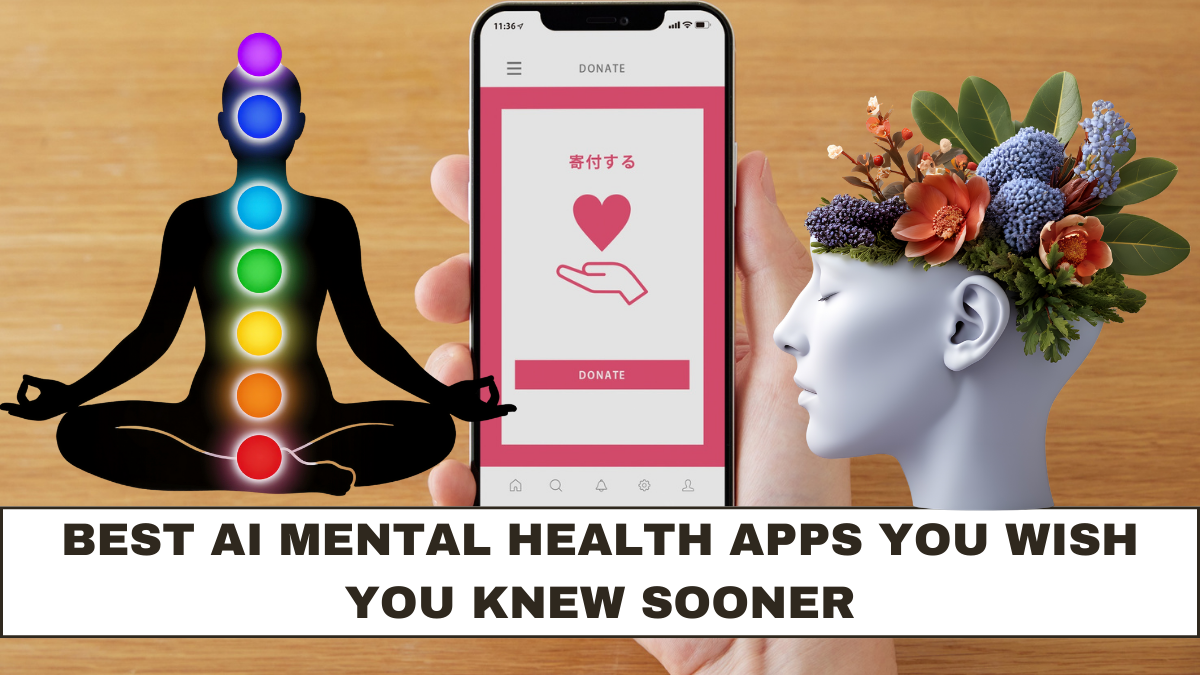
Mental health is becoming a top priority in 2026, and technology is playing an increasingly important role in supporting emotional wellbeing. AI mental health apps are emerging as practical tools for managing stress, anxiety, and other mental health challenges. These apps provide personalized support, accessible therapy alternatives, and guided practices, all powered by artificial intelligence.
For many people, AI tools offer a discreet, 24/7 option for improving mental health. Whether it’s tracking moods, offering mindfulness exercises, or providing interactive therapy, the emotional support tech available today is more sophisticated than ever. These tools are transforming the way people care for their mental wellbeing daily.
Why AI Mental Health Apps Are Gaining Popularity
The demand for mental health support continues to rise, but access to in-person therapy can be limited by cost, availability, and stigma. AI mental health apps bridge this gap by offering immediate, scalable solutions.
Key reasons for the growth of AI mental health tools include:
-
24/7 accessibility for emotional support
-
Personalized recommendations based on user behavior
-
Privacy and discreet usage
-
Integration with daily routines via mobile devices
-
Evidence-based exercises like CBT, meditation, and journaling
As a result, AI mental health apps have become essential companions for modern self-care routines.
How AI Supports Daily Emotional Wellbeing
AI tools use machine learning and natural language processing to adapt to user needs, creating a personalized experience. They track mood patterns, detect early signs of stress, and suggest strategies to improve mental health.
Common features in top apps include:
-
Mood tracking with insights over time
-
Guided meditation and relaxation exercises
-
Cognitive Behavioral Therapy (CBT) techniques
-
AI-powered journaling prompts
-
Chatbots providing conversation-based support
These features show that emotional support tech can be as effective as traditional methods for day-to-day wellbeing.
Top AI Mental Health Apps in 2026
Here are some standout apps that exemplify AI mental health tools:
1. Woebot
Woebot uses AI to provide CBT-based conversations, helping users manage stress, anxiety, and depression. The app is interactive and adjusts advice based on user responses.
2. Wysa
Wysa combines AI chat support with mental health coaching. Users can engage in exercises for mindfulness, gratitude, and emotional resilience.
3. Replika
Replika offers a conversational AI companion that adapts to your mood. It provides emotional support, self-reflection exercises, and stress-relief activities.
4. Youper
Youper uses AI to track emotions and offer personalized exercises, including meditation, CBT, and mood monitoring.
5. MindDoc
MindDoc focuses on mental health tracking, offering insights and progress reports to help users understand emotional patterns and triggers.
These apps illustrate how AI mental health apps are reshaping emotional support by making it more accessible, adaptive, and interactive.
Benefits of Using AI Mental Health Apps
AI-powered apps provide unique benefits that traditional approaches may struggle to match:
-
Convenience: Users can access support anytime, anywhere.
-
Personalization: AI adapts exercises and suggestions to individual needs.
-
Consistency: Daily check-ins and prompts help maintain routine.
-
Affordability: Many apps offer free or low-cost access compared to traditional therapy.
-
Anonymity: Users can explore emotional challenges without fear of judgment.
These benefits highlight why more people are turning to emotional support tech as part of their mental health strategy.
How to Choose the Right AI Mental Health App
Selecting the right app depends on personal goals, comfort, and mental health needs. Here are some tips:
-
Identify whether you need therapy-based support, mindfulness exercises, or mood tracking.
-
Check if the app integrates AI features for personalization.
-
Look for apps with positive user reviews and evidence-based methods.
-
Consider data privacy and security features.
-
Start with free trials to explore functionality before committing.
Following these steps ensures you select the most effective AI mental health apps for your lifestyle.
Common Concerns About AI Mental Health Apps
While AI apps offer many advantages, some users may have concerns:
-
Effectiveness: Apps are most effective for daily management, not severe mental health conditions.
-
Data privacy: Always review how apps handle sensitive information.
-
Human touch: AI supplements therapy but does not replace professional mental health care.
Being aware of these limitations allows users to use AI tools safely and effectively.
The Future of AI in Mental Health
The next few years will see AI mental health apps becoming even more intelligent, integrating with wearables, virtual reality, and smart home systems to provide holistic support. AI will help predict emotional crises, suggest preventive actions, and create deeper, data-driven personalization for wellbeing.
By 2026 and beyond, emotional support tech will likely become a standard part of mental health care for everyday life.
Conclusion
AI mental health apps are revolutionizing how people manage emotional wellbeing in 2026. These tools provide personalized, accessible, and discreet support for stress, anxiety, and daily mental health challenges. By combining technology with evidence-based techniques, AI mental health apps make self-care smarter, easier, and more consistent.
For anyone seeking reliable support, adopting these tools can lead to improved emotional resilience, better daily habits, and enhanced overall wellbeing.
FAQs
What are AI mental health apps?
They are apps that use artificial intelligence to provide personalized support for mental health, including mood tracking, meditation, CBT, and emotional guidance.
Can AI replace a therapist?
No, AI tools are supplements to therapy and are most effective for daily support and stress management, not severe mental health conditions.
Are AI mental health apps safe?
Most apps follow strict privacy policies, but it’s important to review how your data is stored and shared.
How do AI mental health apps help with stress?
They provide exercises, reminders, and insights tailored to your emotional patterns, helping you manage stress proactively.
Can anyone use AI mental health apps?
Yes, they are designed to be user-friendly and accessible to people with varying levels of technological expertise.
Click here to know more.