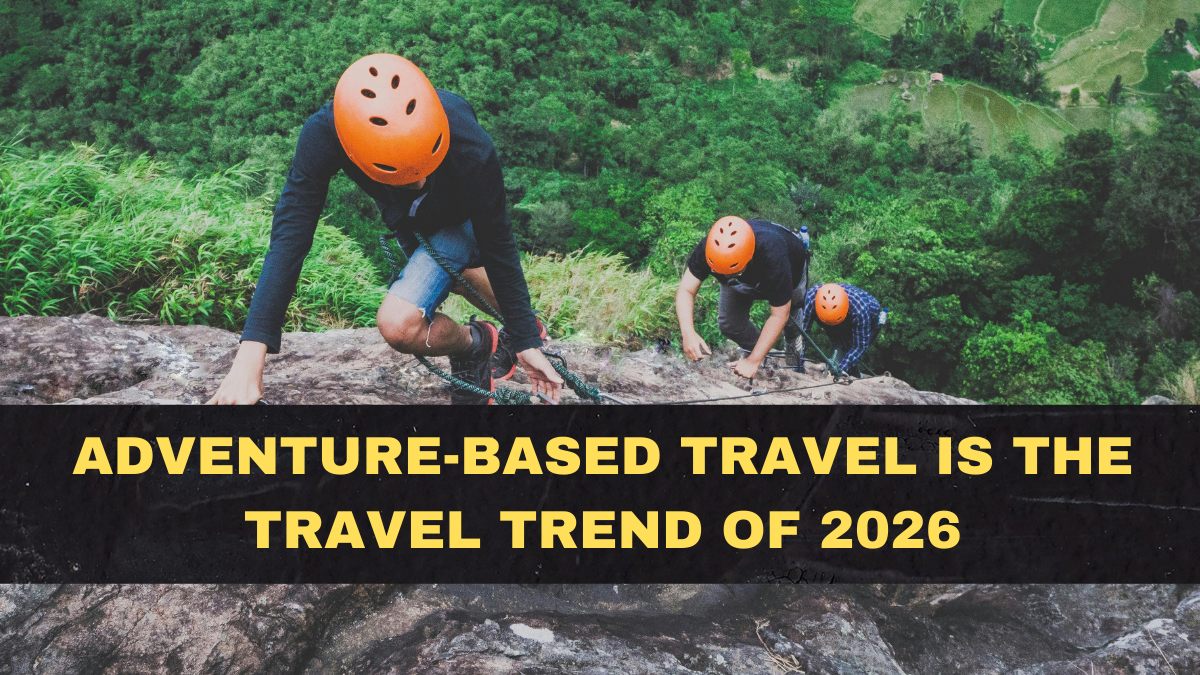
The rise of adventure-based travel in 2026 isn’t about thrill-seeking for Instagram. It’s about reclaiming a sense of aliveness. After years of predictable itineraries and passive vacations, travelers are choosing experiences that challenge, engage, and transform them. Comfort is no longer the goal — meaning is.
This shift reflects deeper exploration preferences. People want to return from trips feeling changed, not just rested.

Why Adventure Travel Is Surging in 2026
Adventure travel didn’t suddenly appear. It accelerated because travelers grew tired of repetitive tourism patterns.
Key drivers include:
• Desire for authentic experiences
• Post-digital fatigue and reconnection with nature
• Increased interest in physical and mental resilience
• Preference for stories over souvenirs
These travel trends prioritize depth over convenience.
What Counts as Adventure-Based Travel Today
Adventure travel in 2026 isn’t limited to extreme sports. It spans a wide spectrum of intensity.
Common forms include:
• Trekking and hiking expeditions
• Wildlife and conservation travel
• Cultural immersion journeys
• Remote and off-grid stays
• Skill-based travel like diving or mountaineering
Adventure is defined by engagement, not danger.
Why Nature-Centered Travel Is Dominating
Natural environments offer what cities can’t: silence, scale, and perspective.
Benefits driving this shift:
• Reduced stress and mental clarity
• Physical movement as part of travel
• Detachment from constant connectivity
• Deeper appreciation for ecosystems
Nature anchors the adventure-based travel movement.
Exploration Preferences Are Becoming Personal
Travelers are no longer following mass itineraries. Personal goals now shape journeys.
Personalized exploration includes:
• Solo adventure travel
• Small-group expeditions
• Locally guided experiences
• Custom-paced itineraries
These choices reflect maturity in exploration preferences.
Why Slow Adventure Is Replacing Checklist Tourism
Fast travel creates shallow memories. Slow adventure creates connection.
Slow adventure focuses on:
• Fewer destinations, deeper stays
• Learning local skills or traditions
• Respect for environment and culture
• Physical presence over rushing
This approach aligns with long-term travel trends.
Adventure Travel and Mental Wellbeing
Adventure-based travel isn’t just physical. It’s psychological.
Mental benefits include:
• Increased confidence
• Improved emotional regulation
• Sense of accomplishment
• Perspective beyond routine life
These outcomes make adventure travel feel purposeful.
Technology Is Supporting, Not Replacing, Exploration
In 2026, technology plays a supportive role.
Useful integrations include:
• Navigation and safety tools
• Eco-impact tracking
• Local guide coordination
• Offline-first planning
Technology enhances safety without dulling experience.
Why Sustainable Adventure Travel Matters
Adventure travelers increasingly understand their footprint.
Responsible practices include:
• Supporting local economies
• Respecting wildlife boundaries
• Minimizing environmental impact
• Choosing ethical tour operators
Sustainability strengthens the credibility of adventure-based travel.
How Destinations Are Adapting
Destinations are shifting away from mass tourism models.
Adaptations include:
• Limiting visitor numbers
• Promoting lesser-known routes
• Investing in local guides
• Preserving natural habitats
These changes support long-term travel viability.
What This Trend Says About Modern Travelers
The popularity of adventure-based travel reflects a desire for agency. Travelers want to participate, not just observe.
Travel has become a form of self-discovery rather than escape.
Conclusion
Adventure-based travel is defining how people explore the world in 2026. Driven by changing exploration preferences and evolving travel trends, travelers are choosing journeys that challenge, inspire, and connect them to nature and themselves.
The future of travel isn’t faster or flashier. It’s deeper, slower, and more meaningful.
FAQs
What is adventure-based travel?
It’s travel focused on active participation, exploration, and meaningful experiences rather than passive tourism.
Is adventure travel only for extreme athletes?
No. It ranges from gentle nature immersion to physically demanding expeditions.
Why is adventure travel popular in 2026?
Because travelers seek authenticity, growth, and connection beyond traditional vacations.
Is adventure travel sustainable?
When done responsibly, it supports conservation and local communities.
How can beginners start adventure travel?
By choosing guided experiences, starting small, and aligning trips with personal comfort levels.