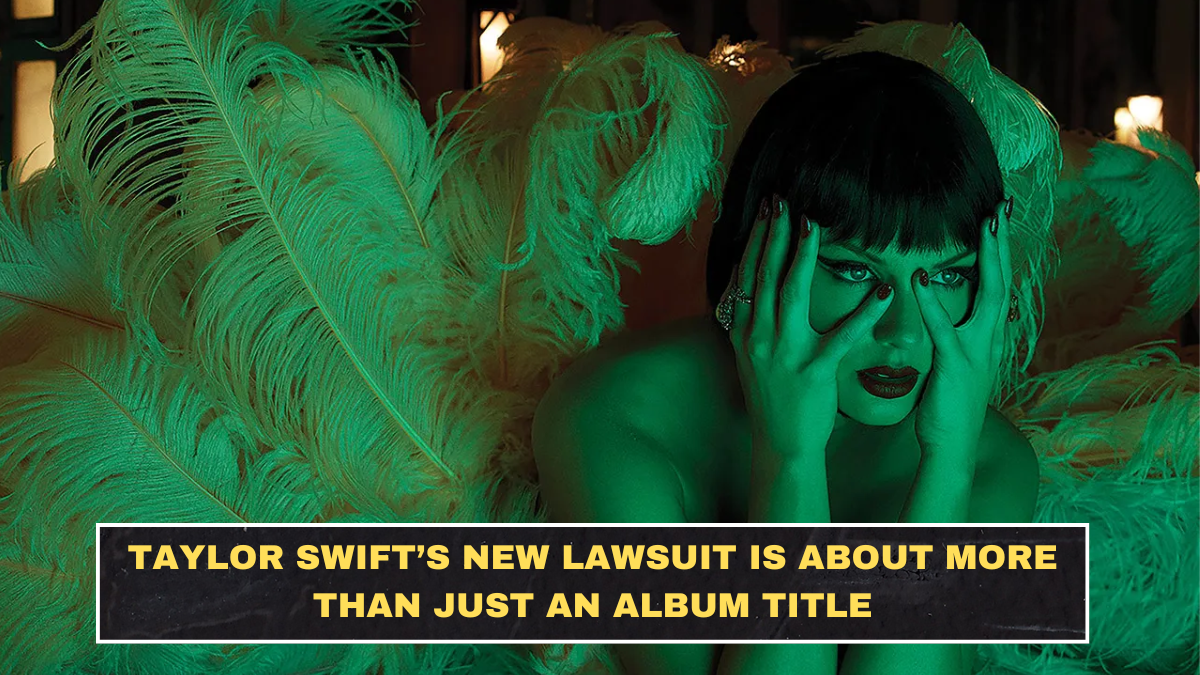
Taylor Swift’s new lawsuit is not just a celebrity distraction. It is a trademark dispute that goes straight to a bigger problem in entertainment: massive stars can overwhelm smaller brands even when the words are not identical. Reuters reported that Las Vegas performer Maren Wade sued Swift over the title “The Life of a Showgirl,” arguing it infringes Wade’s long-running “Confessions of a Showgirl” brand. Wade says she has used that brand since 2014 across a stage show, column, and related entertainment work.
The most damaging detail for Swift’s side is this: Reuters reported that the U.S. Patent and Trademark Office had already rejected Swift’s trademark application for “Life of a Showgirl” because of possible confusion with Wade’s existing trademark rights. That does not automatically mean Wade wins, but it makes the lawsuit much more serious than fan gossip.
What the lawsuit is actually about
This is a trademark fight, not a copyright fight. That distinction matters. Copyright protects creative expression like songs, lyrics, or books. Trademark law is about branding and whether consumers could be confused about the source of goods or services. Reuters said Wade claims Swift’s title is confusingly similar to her “Confessions of a Showgirl” brand and could damage the identity she built over more than a decade.
Wade is reportedly seeking two main things:
- an injunction to stop use of the disputed title
- monetary damages for alleged harm to her brand
That is why this is bigger than a headline about one album name. If a court takes the confusion claim seriously, the fight becomes about commercial branding power, not just artistic choice.
Why this case looks messy
The title at the center of the fight is not exactly the same as Wade’s mark. That is where many people fool themselves and assume Swift is automatically safe. Trademark law does not require perfect word-for-word copying. The real question is whether the branding is similar enough to confuse consumers in the marketplace. Reuters said that is exactly what Wade is alleging.
The dispute also got messier because Swift’s album was already a major commercial success. Reuters reported the album was released in October 2025, broke Spotify streaming records, and became the year’s highest-selling album. That commercial scale strengthens Wade’s argument that Swift’s use could drown out a smaller existing brand.
The simple breakdown
| Issue | Verified detail | Why it matters |
|---|---|---|
| Plaintiff | Maren Wade | She says Swift’s album title infringes her showgirl brand. |
| Swift title | “The Life of a Showgirl” | This is the title under dispute. |
| Existing Wade brand | “Confessions of a Showgirl” | Wade says she has used it since 2014. |
| Trademark office issue | USPTO reportedly rejected Swift’s trademark bid | Suggests official concern about possible confusion. |
| Relief sought | Injunction and damages | Wade wants both use restrictions and money. |
Why celebrity IP fights keep getting uglier
This case matters because celebrity trademark fights are rarely just about law. They are about scale. A global star can use a phrase and instantly dominate search, streaming, merchandise, and media coverage. Even if the smaller party ultimately loses in court, the brand imbalance alone can be crushing. That is the real fear behind cases like this. It is not only “did someone copy?” It is also “can a smaller existing identity survive once a superstar adopts something similar?” That broader takeaway is an inference from the lawsuit’s claims and the commercial imbalance described in Reuters’ reporting.
The lawsuit also shows why trademark clearance matters more than artists often admit. If the USPTO already raised confusion concerns and the disputed title still went forward, that becomes a bad-looking fact pattern in public and potentially in court.
Conclusion
Taylor Swift’s new lawsuit is about more than just an album title because it touches the core tension in modern entertainment branding: when a giant artist uses a phrase close to a smaller existing brand, the legal issue is only part of the story. The commercial imbalance is the other part. Reuters’ reporting makes clear this is not a random complaint. It involves an existing performer, a prior trademark conflict, and a title that already triggered concern at the trademark-office level. That is why this case looks more serious than the usual celebrity legal noise.
FAQs
Who sued Taylor Swift over “The Life of a Showgirl”?
Reuters reported that Maren Wade, a Las Vegas performer, filed the lawsuit.
What is the lawsuit claiming?
It claims trademark infringement, arguing Swift’s title is confusingly similar to Wade’s “Confessions of a Showgirl” brand.
Did the trademark office already raise an issue?
Yes. Reuters reported that the USPTO rejected Swift’s trademark application for “Life of a Showgirl” because of possible confusion concerns.
What does Wade want from the case?
She is seeking an injunction to stop use of the title and also wants monetary damages.