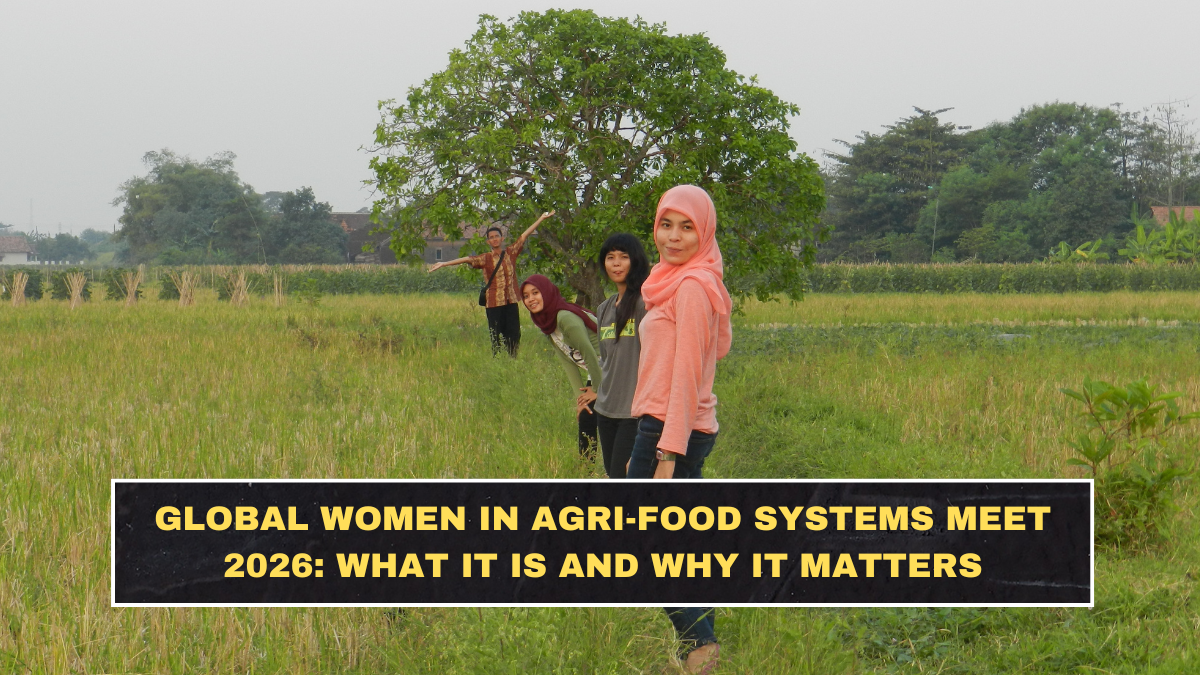
The Global Conference on Women in Agri-Food Systems (GCWAS) 2026 is a major international gathering focused on the role of women in agriculture, food production, and rural development. The conference brings together policymakers, researchers, agricultural institutions, and development organizations to discuss how women’s participation can strengthen global food systems.
In many parts of the world, women form a large share of the agricultural workforce. However, they often face barriers such as limited access to land ownership, credit facilities, agricultural training, and market opportunities. Conferences like GCWAS aim to address these gaps by promoting research collaboration, policy dialogue, and innovation in agricultural practices.
Why Women Are Critical to Global Food Systems
Women contribute significantly to farming activities, livestock care, food processing, and rural supply chains. According to international agricultural studies, women play a key role in ensuring household food security and sustainable farming practices.
Despite this contribution, women frequently have less access to productive resources compared to men. Addressing this imbalance is considered essential for improving agricultural productivity and strengthening food security globally.
| Area of Contribution | Role of Women | Impact on Food Systems |
|---|---|---|
| Crop cultivation | Sowing, harvesting, and field management | Supports agricultural production |
| Livestock care | Feeding, breeding, dairy management | Strengthens rural income |
| Food processing | Storage, preparation, value addition | Reduces food waste |
| Local markets | Selling produce and small-scale trade | Improves household income |
These roles highlight why international policy discussions increasingly focus on gender inclusion within agricultural systems.
Key Themes Discussed at the Conference
The GCWAS conference focuses on several policy and research themes related to women’s participation in agriculture and food supply chains. These discussions aim to create strategies that improve opportunities for women farmers and agricultural entrepreneurs.
Major themes expected at the conference include:
-
Women’s leadership in agricultural innovation
-
Access to agricultural technology and training
-
Climate-resilient farming practices
-
Rural entrepreneurship and food processing industries
-
Gender-inclusive agricultural policies
These topics reflect the growing recognition that strengthening women’s roles in agriculture can significantly improve food system resilience.
Institutions and Organizations Involved
The conference involves collaboration between national agricultural research institutions, universities, international organizations, and development agencies. Institutions such as the Indian Council of Agricultural Research (ICAR) often play a key role in hosting and coordinating agricultural policy discussions in India.
| Stakeholder Type | Role in the Conference |
|---|---|
| Agricultural research institutions | Present research findings |
| Government policy bodies | Discuss agricultural policy frameworks |
| Universities | Share academic studies and innovations |
| Development organizations | Promote rural development initiatives |
Such collaborations help bridge the gap between research, policymaking, and on-ground agricultural practices.
Why the Conference Matters for India
India has one of the largest agricultural workforces in the world, and women play a crucial role in farming, livestock management, and food processing. However, many women farmers still face challenges in accessing financial resources, training programs, and land ownership rights.
Discussions at international conferences like GCWAS can influence policies that improve support systems for women farmers. These policies may include better access to agricultural credit, skill development programs, and technology adoption initiatives designed specifically for rural women.
Strengthening women’s participation in agriculture can also help increase farm productivity, improve household incomes, and enhance rural economic stability.
Global Impact of Women-Focused Agricultural Policies
Research indicates that improving women’s access to agricultural resources can significantly increase overall food production. Studies from international development organizations suggest that closing gender gaps in agriculture could boost agricultural output in developing countries.
| Policy Focus Area | Potential Impact |
|---|---|
| Access to credit and financial services | Expands women-led agricultural businesses |
| Training and education programs | Improves farming efficiency |
| Technology access | Supports modern agricultural practices |
| Land ownership rights | Strengthens long-term economic security |
These policy measures can help create more inclusive and resilient agricultural systems.
Conclusion
The Global Conference on Women in Agri-Food Systems 2026 highlights the growing recognition of women’s contributions to agriculture and food production worldwide. By bringing together policymakers, researchers, and development organizations, the conference aims to promote strategies that empower women farmers and strengthen global food systems. As countries work toward improving food security and sustainable agriculture, increasing women’s participation remains a critical factor in shaping the future of agri-food systems.
Frequently Asked Questions
What is GCWAS 2026?
GCWAS 2026 refers to the Global Conference on Women in Agri-Food Systems, an international event focused on women’s roles in agriculture and food systems.
Why are women important in agriculture?
Women contribute significantly to farming, livestock management, food processing, and rural economies, making them essential to food production systems.
Who organizes agricultural conferences like GCWAS?
Such conferences are usually organized by agricultural research institutions, universities, government agencies, and international development organizations.
How can women’s participation improve agriculture?
Greater access to resources, training, and technology can help women farmers increase productivity and strengthen rural economies.
Why is India involved in global agricultural conferences?
India plays a major role in global agriculture due to its large farming population and extensive agricultural research institutions.