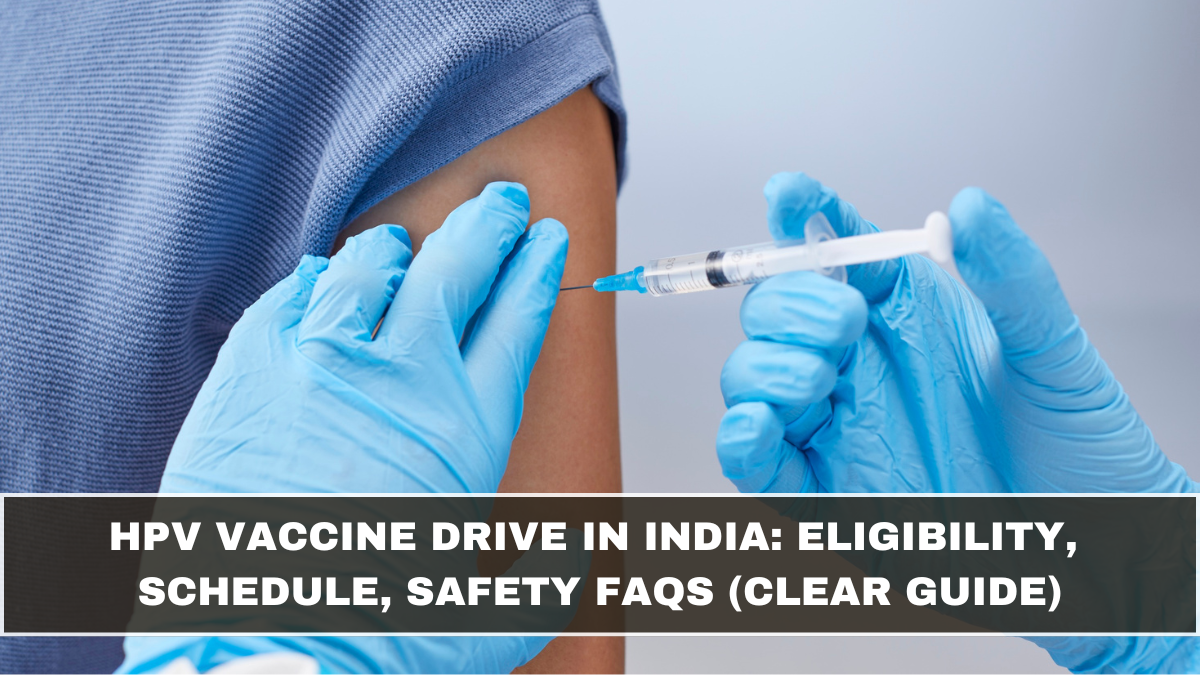
The HPV vaccine drive in India focuses on preventing infections caused by the Human Papillomavirus (HPV), which is a major cause of cervical cancer. Cervical cancer remains one of the most common cancers affecting women in India, with thousands of new cases reported every year. Vaccination helps reduce infection risk and supports long-term public health protection.
Government and health agencies conduct vaccination drives through schools, hospitals, and public health programs to increase awareness and coverage. The vaccine is preventive, meaning it works best before exposure to the virus.
What Is HPV and How It Spreads
Human Papillomavirus is a group of more than 100 related viruses, some of which can cause cancer or genital warts. HPV spreads mainly through skin-to-skin contact and can infect both males and females.
Most infections show no symptoms initially, which makes prevention through vaccination important. Persistent infection with high-risk HPV types may lead to cervical cancer over time.
| HPV Fact | Details |
|---|---|
| Number of HPV types | 100+ types |
| High-risk cancer-causing types | Around 14 |
| Common health risk | Cervical cancer |
| Prevention method | Vaccination |
| Best protection period | Before exposure |
Early vaccination significantly reduces long-term risk.
HPV Vaccine Eligibility Age in India
Health authorities recommend HPV vaccination primarily for adolescents because the vaccine provides maximum protection when administered before exposure to the virus. However, adults may also receive the vaccine after medical consultation.
| Age Group | Eligibility Recommendation |
|---|---|
| 9–14 years | Primary target group |
| 15–26 years | Recommended if not vaccinated earlier |
| 27–45 years | Possible after medical advice |
Vaccination at younger ages produces stronger immune response and higher effectiveness.
HPV Vaccine Dose Schedule Explained
The number of vaccine doses depends on the age at which vaccination begins. Younger individuals require fewer doses because their immune response is stronger.
| Age at First Dose | Number of Doses | Time Gap |
|---|---|---|
| 9–14 years | 2 doses | 6–12 months gap |
| 15 years and above | 3 doses | 0, 2, and 6 months |
Completing all recommended doses ensures maximum protection.
Where HPV Vaccination Is Available in India
HPV vaccines are available at government hospitals, private healthcare centers, and school vaccination programs in selected regions. Public health drives aim to increase access and awareness among eligible populations.
Urban hospitals and specialized clinics typically provide vaccination throughout the year, while school-based programs operate during scheduled campaigns.
| Vaccination Location | Availability |
|---|---|
| Government hospitals | Public health programs |
| Private hospitals | Year-round availability |
| School campaigns | Scheduled drives |
| Health clinics | Appointment-based |
Availability may vary depending on state programs.
HPV Vaccine Safety and Side Effects
The HPV vaccine undergoes strict safety testing before approval for public use. Most side effects are mild and temporary. Common reactions include mild pain at injection site, low fever, or fatigue that usually resolves within 24–48 hours.
Severe reactions are rare, and vaccination is generally considered safe for eligible individuals. Medical consultation is recommended for individuals with existing health conditions.
| Side Effect | Frequency | Duration |
|---|---|---|
| Injection site pain | Common | 1–2 days |
| Mild fever | Occasional | 1–2 days |
| Fatigue | Occasional | Short-term |
| Severe reaction | Rare | Requires medical attention |
Monitoring after vaccination ensures safety.
Effectiveness of HPV Vaccine
HPV vaccination can prevent up to 90 percent of cervical cancer cases linked to high-risk virus types when administered before exposure. Protection develops within weeks after vaccination and may last for many years.
Regular health screening remains important even after vaccination because the vaccine does not protect against all HPV types.
| Benefit | Impact |
|---|---|
| Infection prevention | Reduced virus risk |
| Cancer prevention | Lower cervical cancer risk |
| Long-term immunity | Years of protection |
| Public health impact | Reduced disease burden |
Vaccination significantly lowers disease incidence.
Why Public Health Drives Focus on Adolescents
Vaccination programs target adolescents because early immunization provides stronger immune response and better long-term protection. School-based drives help increase coverage and reduce infection rates across populations.
Public health programs aim to vaccinate large populations efficiently to reduce overall disease burden.
Cost and Access Considerations
HPV vaccine cost varies between public and private healthcare providers. Government programs may provide vaccination at subsidized or reduced cost, while private hospitals may charge higher fees depending on vaccine type.
| Provider Type | Approximate Cost Range |
|---|---|
| Government programs | Free or subsidized |
| Private hospitals | ₹2,000 – ₹4,000 per dose |
Cost may vary by location and vaccine brand.
Importance of HPV Awareness and Prevention
Preventive vaccination combined with awareness programs helps reduce cervical cancer cases and improve women’s health outcomes. Health campaigns also promote regular screening and early detection strategies.
Increasing vaccination coverage can significantly reduce long-term healthcare burden and improve public health indicators.
Conclusion
The HPV vaccine drive in India focuses on preventing cervical cancer and reducing HPV infection risk through early vaccination. The vaccine is recommended primarily for individuals aged 9–14 years, with specific dose schedules based on age. Vaccination programs are available through government hospitals, private clinics, and school campaigns. With strong safety records and high effectiveness, HPV vaccination plays a critical role in long-term disease prevention and public health protection.
Frequently Asked Questions
Who should take the HPV vaccine in India?
The vaccine is mainly recommended for individuals aged 9–14 years, but older age groups can receive it after medical consultation.
How many doses are required for HPV vaccination?
Individuals aged 9–14 years require two doses, while those aged 15 and above require three doses.
Is the HPV vaccine safe?
Yes, the vaccine is considered safe, with most side effects being mild and temporary.
Can adults take the HPV vaccine?
Adults up to 45 years may receive the vaccine after consulting a healthcare professional.
Does HPV vaccination prevent cervical cancer completely?
The vaccine prevents most HPV-related cancers but regular health screening remains necessary for complete protection.