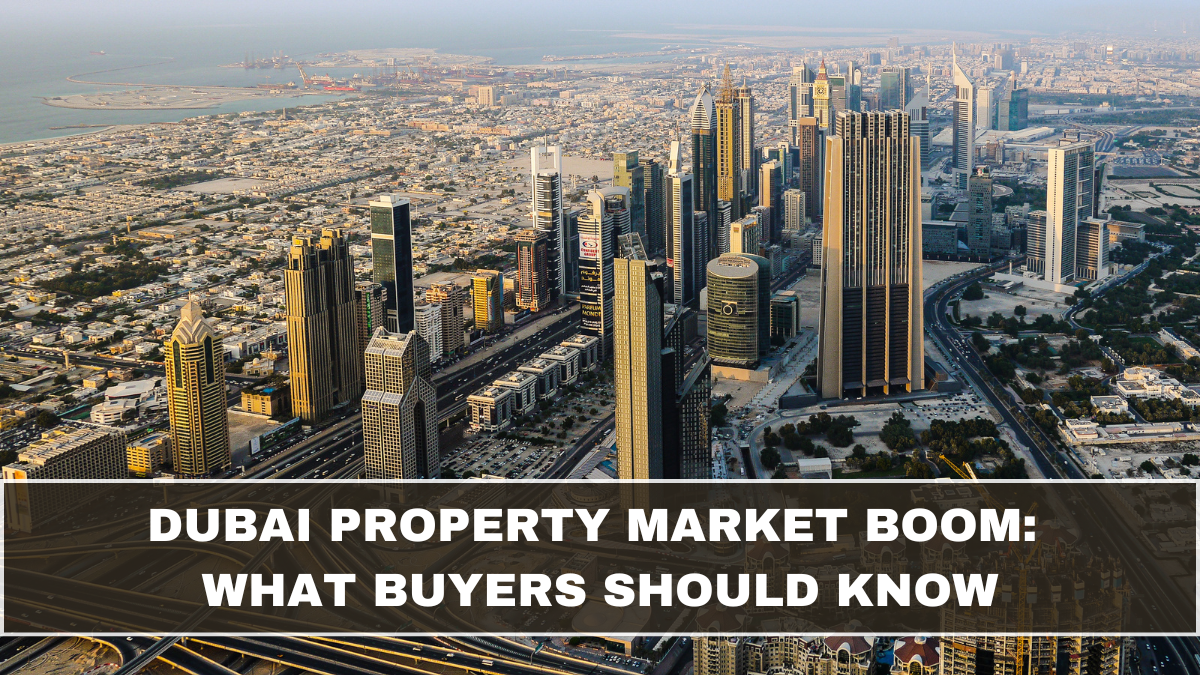
The Dubai property market boom is once again making global headlines. From luxury waterfront apartments to high-yield rental units, investors from around the world are pouring capital into the emirate’s real estate sector. Strong economic growth, investor-friendly policies, and rising global demand for premium property have created one of the most dynamic housing markets in 2026.
But what is really driving this surge—and what does it mean for buyers considering entering the market?
Why the Dubai Property Market Is Booming
Several key factors are fueling the current growth cycle.
First, Dubai’s economic diversification strategy has strengthened non-oil sectors including tourism, finance, technology, and trade. Business-friendly reforms, long-term residency visas, and 100% foreign ownership in many sectors have boosted investor confidence.
Second, population growth is accelerating. Skilled professionals, entrepreneurs, and remote workers are relocating to Dubai for its tax advantages and high quality of life. As more residents move in, demand for both rental and owned properties continues to rise.
Third, global investors view Dubai as a relatively stable safe-haven asset market. Compared to major cities like London, New York, or Hong Kong, Dubai still offers competitive pricing per square foot with strong rental yields.
Luxury Real Estate Leads the Surge
High-end developments in areas like Palm Jumeirah, Downtown Dubai, and Dubai Marina are seeing record-breaking transactions. Ultra-luxury villas and branded residences are attracting international buyers from Europe, Asia, and the Middle East.
Developers are responding with premium waterfront projects, smart-home integrations, and resort-style amenities. Limited supply in prime locations has pushed prices higher, especially in the luxury villa segment.
However, the boom is not limited to luxury alone. Mid-range communities and off-plan developments are also experiencing strong sales due to flexible payment plans and attractive financing options.
Rental Yields Remain Attractive
One of the main reasons investors are targeting Dubai is rental return potential. Gross rental yields in certain neighborhoods can outperform many mature global markets.
Strong tourism numbers and a growing expatriate population continue to support rental demand. Short-term rental platforms have also created additional income streams for property owners in key districts.
For buy-to-let investors, this combination of capital appreciation and rental income makes Dubai particularly appealing.
Off-Plan Projects and Payment Flexibility
Off-plan properties—units purchased before completion—remain a significant driver of sales. Developers frequently offer structured payment plans that spread costs over several years, sometimes even post-handover.
This lowers the initial capital barrier and attracts both domestic and international investors seeking long-term gains. However, buyers should evaluate developer reputation, project timelines, and market conditions before committing.
Government Policies Supporting Growth
Dubai’s leadership continues to introduce initiatives aimed at sustaining economic expansion. Long-term residency visas, retirement visas, and digital nomad programs have increased demand for residential properties.
Infrastructure investment, including new transport links and mixed-use developments, further strengthens property values in emerging communities.
These structural policies provide a foundation that supports long-term market stability rather than short-term speculation alone.
Risks Buyers Should Consider
Despite strong performance, no property market is without risk.
Rapid price growth can lead to affordability pressures. Interest rate changes globally may affect mortgage costs. Additionally, over-supply in certain segments could slow price momentum in the future.
Buyers should analyze location fundamentals, rental demand, and long-term development plans before making a decision.
Working with reputable brokers and conducting due diligence remains essential in a fast-moving market.
What 2026 Could Bring
Analysts expect continued activity, though price growth may moderate as the market stabilizes. Demand is likely to remain strong in prime areas and well-connected communities.
New mega-project launches and infrastructure expansions could further boost investor confidence. At the same time, developers may focus on sustainable building practices and smart technology integration to align with global real estate trends.
Overall, the Dubai property market boom reflects a combination of strategic economic planning, international investor appeal, and strong local demand.
Is It the Right Time to Buy?
The answer depends on individual goals.
Long-term investors seeking rental income and capital appreciation may find attractive opportunities, particularly in high-demand communities. End-users relocating to Dubai may benefit from securing property before further price increases.
However, short-term speculators should approach carefully, especially in segments where supply may increase rapidly.
Market timing matters—but so does selecting the right location and property type.
FAQs
Why is the Dubai property market booming in 2026?
Economic diversification, foreign investment policies, population growth, and strong rental yields are key drivers behind the surge.
Are property prices still affordable compared to other global cities?
In many prime areas, Dubai still offers competitive pricing per square foot compared to cities like London or New York, while providing higher rental returns.
Is buying off-plan property safe?
Off-plan investments can be profitable but require careful research into the developer’s track record and project timeline.
What are the risks of investing now?
Potential risks include global economic shifts, interest rate changes, and localized over-supply in specific communities.
Will the boom continue beyond 2026?
While growth may moderate, strong fundamentals suggest continued long-term demand, especially in premium and strategically located developments.