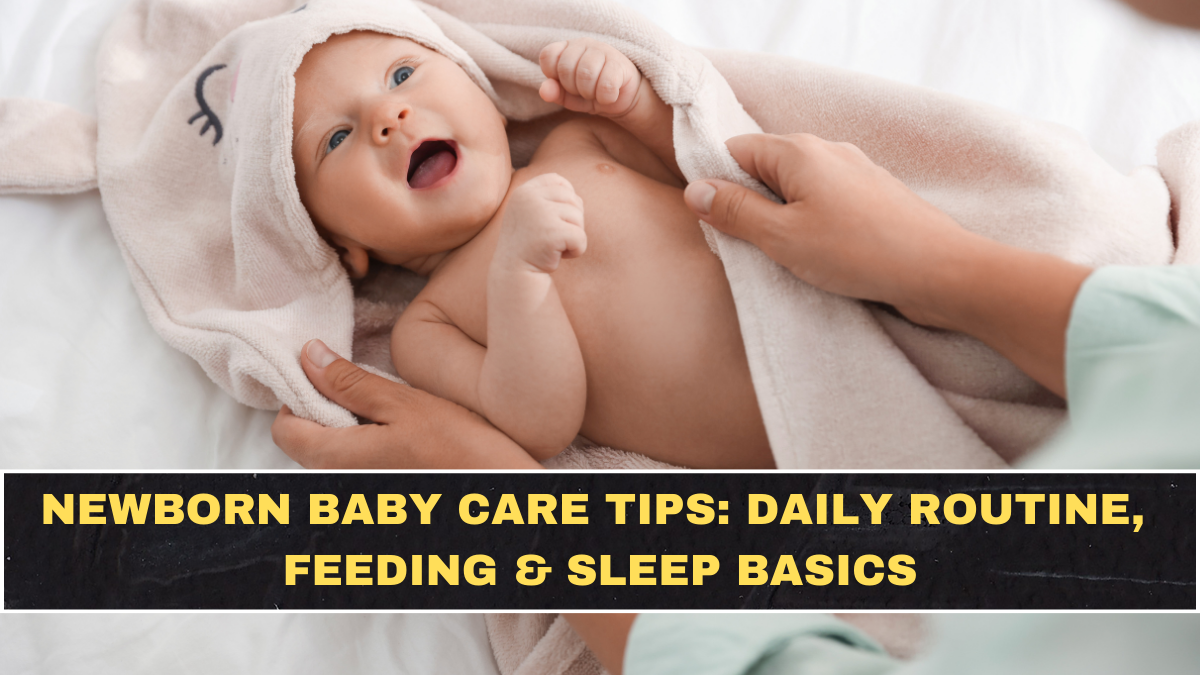
Caring for a newborn can feel overwhelming, especially in the first few weeks when everything is new and opinions come from every direction. In 2026, new parents are more informed than ever, yet confusion remains because too much advice creates unnecessary pressure. The truth is that newborn care is less about perfection and more about understanding basic needs and responding calmly.
Newborn babies do not follow strict schedules, and expecting them to do so creates stress for parents. Babies operate on instinct, comfort, and biological rhythms. Once parents understand what is normal and what is not, daily care becomes far more manageable and emotionally stable.

Understanding a Newborn’s Basic Needs
A newborn’s needs are simple but constant. Feeding, sleep, warmth, hygiene, and emotional security form the foundation of healthy development.
Babies cry not to trouble parents, but to communicate discomfort, hunger, or the need for closeness. Responding consistently builds trust and reduces long-term fussiness.
In 2026, pediatric guidance strongly emphasizes responsive care over rigid routines during the newborn phase.
Daily Routine for Newborn Babies
Newborn routines are flexible patterns rather than fixed schedules. Most days revolve around feeding, sleeping, diaper changes, and brief alert periods.
Trying to force structure too early often leads to frustration. Instead, observing your baby’s natural rhythm helps parents anticipate needs.
In 2026, parents are encouraged to follow the baby’s cues rather than the clock during the first months.
Feeding Basics Every Parent Should Know
Whether breastfeeding or formula feeding, frequency matters more than quantity in the early days. Newborns have small stomachs and feed often.
Hunger cues include rooting, sucking motions, and restlessness. Crying is usually a late sign of hunger.
In 2026, feeding on demand is considered healthier than strict feeding intervals for newborn growth and comfort.
Burping and Digestion Care
Newborns swallow air while feeding, which can cause discomfort. Gentle burping after feeds helps release trapped air.
Holding the baby upright and patting softly is usually enough. Overdoing it or shaking should always be avoided.
In 2026, parents are advised to focus on gentle handling to support digestion and reduce gas-related crying.
Newborn Sleep Patterns Explained
Newborn sleep is irregular and fragmented. Babies sleep in short cycles and wake frequently, even at night.
Expecting long stretches of sleep early leads to disappointment. Sleep improves gradually as the nervous system matures.
In 2026, understanding normal sleep patterns helps parents manage expectations and reduce anxiety.
Safe Sleep Practices You Must Follow
Babies should always sleep on their back on a firm, flat surface. Soft bedding, pillows, and loose blankets increase risk.
Room-sharing without bed-sharing is commonly recommended to support safety and easy monitoring.
In 2026, safe sleep practices remain one of the most important newborn care priorities.
Diapering and Hygiene Essentials
Frequent diaper changes prevent rashes and discomfort. Newborn skin is sensitive and needs gentle care.
Using mild wipes or warm water, followed by proper drying, protects the skin barrier. Overuse of products can irritate skin.
In 2026, minimal and gentle hygiene routines are preferred over heavy product use.
Bathing a Newborn the Right Way
Newborns do not need daily baths. Two to three times a week is usually enough unless advised otherwise.
Sponge baths are common until the umbilical area heals. Water should be warm, not hot, and baths should be quick.
In 2026, parents are advised to keep bathing simple and soothing rather than frequent.
Umbilical Cord Care Basics
The umbilical stump dries and falls off naturally within days or weeks. Keeping it clean and dry is key.
Avoid covering it tightly or applying unadvised substances. Signs of infection should be checked promptly.
In 2026, dry cord care remains the standard unless specific medical advice is given.
Handling Crying Without Panic
Crying is normal and does not always mean something is wrong. Babies may cry due to overstimulation, discomfort, or fatigue.
Calm holding, gentle rocking, or skin-to-skin contact often helps. Panicking usually makes soothing harder.
In 2026, parents are encouraged to respond calmly and trust their instincts.
What New Parents Should Stop Overthinking
Weight checks, feeding duration, and comparison with other babies often cause unnecessary worry. Each baby develops at their own pace.
Constant online searching can increase anxiety rather than clarity. Reliable guidance and observation matter more.
In 2026, mental well-being of parents is recognized as essential for healthy newborn care.
When to Contact a Doctor
Certain signs require medical attention, such as persistent fever, feeding refusal, lethargy, or unusual breathing.
Trust your instincts. If something feels off, seeking professional advice is always the right step.
In 2026, early consultation is encouraged rather than waiting out concerns.
Conclusion: Calm, Consistent Care Matters Most
Newborn care does not require perfection, expensive products, or rigid routines. It requires patience, observation, and responsiveness. When parents focus on basic needs and emotional connection, babies thrive naturally.
The early weeks are demanding, but they pass quickly. In 2026, the healthiest approach to newborn care is calm consistency, realistic expectations, and self-compassion for parents.
Caring for yourself is also part of caring for your baby, and both grow together with time.
FAQs
How often should a newborn be fed?
Newborns usually feed every few hours, guided by hunger cues rather than a strict schedule.
Is it normal for newborns to wake frequently at night?
Yes, frequent night waking is normal and part of healthy development.
How many diapers should a newborn have daily?
Several wet and soiled diapers per day are common and indicate good hydration.
When can a newborn start bathing regularly?
Regular bathing can begin once the umbilical area has healed fully.
Should newborns follow a routine?
Flexible patterns are better than fixed routines in the early weeks.
When should parents worry about crying?
If crying is unusual, persistent, or paired with other symptoms, medical advice should be sought.