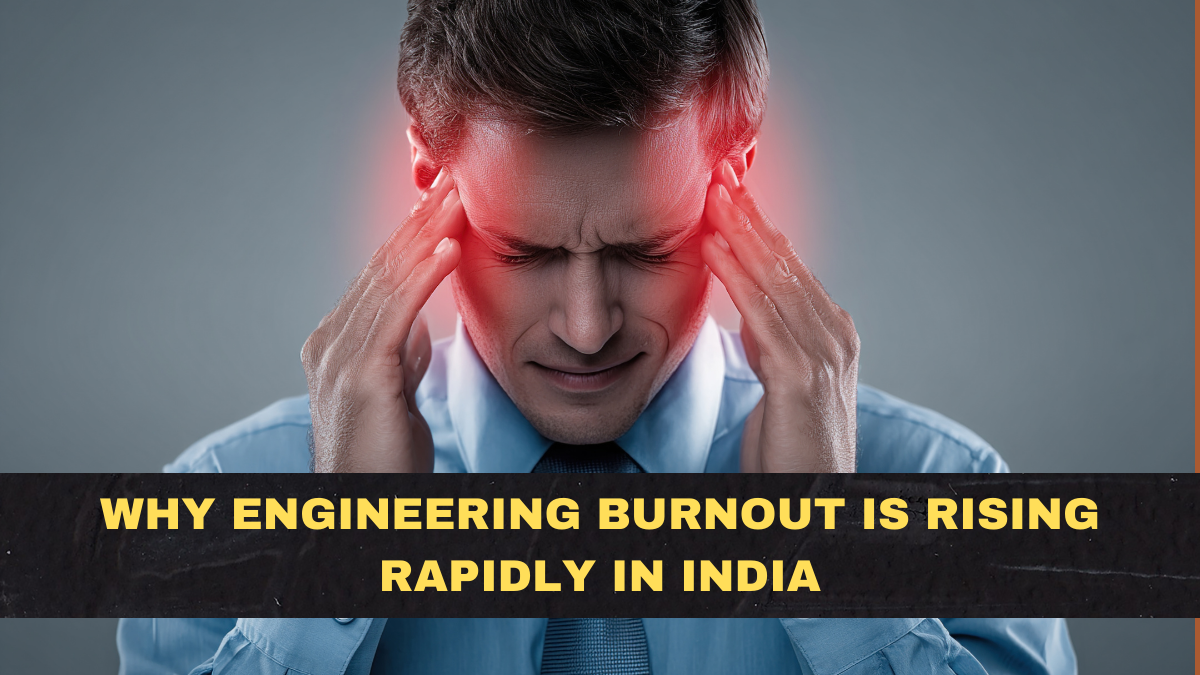
Engineering was once considered one of the most stable and respected career paths in India. In 2026, however, a growing number of engineers are mentally exhausted, disengaged, and questioning their long-term future in the profession. Burnout is no longer limited to a few high-pressure roles; it has become widespread across domains, experience levels, and company sizes.
What makes engineering burnout more dangerous is how silently it develops. Many engineers appear successful on the surface while struggling internally with chronic stress, lack of motivation, and emotional fatigue. The issue is not individual weakness but a structural problem that has intensified over the years and is now impossible to ignore.
Why Engineering Burnout Feels Worse in 2026
Engineering workloads have expanded while timelines have shrunk. Engineers are expected to deliver faster without proportional increases in resources or clarity.
In 2026, constant urgency has become normal. There is rarely a sense of completion, only the next deadline waiting immediately after the last one.
This relentless pace leaves little room for recovery, making burnout almost inevitable.
The Pressure of Always Being “Up to Date”
Technology changes rapidly, and engineers are expected to continuously reskill outside working hours. Learning is no longer optional but mandatory for survival.
Many engineers feel they are permanently behind, regardless of effort. This creates anxiety and imposter syndrome even among competent professionals.
In 2026, the fear of becoming obsolete fuels chronic stress.
Long Working Hours Without Real Productivity
Extended work hours are often mistaken for commitment. Engineers spend long days in meetings, calls, and status updates.
Actual problem-solving time shrinks, while mental exhaustion increases. The result is frustration without a sense of progress.
Burnout grows when effort does not translate into meaningful outcomes.
The Disconnect Between Effort and Rewards
Many engineers put in years of hard work without seeing proportional growth in salary or role satisfaction.
Promotions are limited, hikes feel incremental, and recognition is inconsistent. This creates resentment over time.
In 2026, effort-reward imbalance is a major burnout trigger.
Lack of Control Over Work and Decisions
Engineers often have little say in timelines, priorities, or product direction. Decisions are driven by business urgency rather than technical reality.
When engineers feel unheard, motivation declines. They stop caring deeply about outcomes.
Loss of autonomy accelerates emotional disengagement.
Burnout Is Not Just a Tech Industry Problem
While software engineers are most discussed, burnout affects core engineering roles too.
Mechanical, civil, and electrical engineers face stagnation, limited growth, and job insecurity. Stress manifests differently but is equally damaging.
In 2026, engineering burnout spans the entire profession.
The Mental Health Stigma Engineers Still Face
Engineers are often expected to be resilient and logical. Admitting stress feels like failure.
Many avoid seeking help due to fear of judgment or career impact. Problems worsen silently.
This stigma allows burnout to deepen unchecked.
Why Switching Jobs Doesn’t Always Fix Burnout
Job-hopping is often seen as the solution, but it rarely addresses root causes.
New roles bring temporary relief but similar pressures soon return. Burnout follows the engineer, not the company.
In 2026, structural issues outweigh individual job choices.
How Burnout Affects Long-Term Career Growth
Burned-out engineers lose curiosity and initiative. Learning slows down, and performance plateaus.
Over time, this impacts confidence and employability. Careers stagnate quietly.
Burnout is not just exhaustion; it is career erosion.
What Engineers Can Do to Reduce Burnout Impact
Setting boundaries around work hours and learning time is essential. Constant availability is unsustainable.
Focusing on depth over constant switching helps regain control. Mental health support should be treated as preventive care, not crisis response.
In 2026, survival in engineering requires conscious energy management.
Conclusion: Engineering Burnout Is a Systemic Warning Sign
Engineering burnout in India is rising because expectations keep increasing while support systems remain weak.
This is not a temporary phase but a signal that how engineering careers are structured needs serious rethinking.
Recognizing burnout early and addressing it honestly is crucial, not just for individuals but for the future of the profession itself.
FAQs
Why are engineers burning out more in 2026?
Because of constant deadlines, rapid skill changes, long hours, and lack of recovery time.
Is engineering burnout limited to software jobs?
No, burnout affects core engineering fields like mechanical, civil, and electrical as well.
Does changing jobs solve engineering burnout?
Not always. Structural issues often remain the same across companies.
Can burnout affect long-term career growth?
Yes, burnout reduces learning ability, motivation, and long-term employability.
Why don’t engineers seek help early?
Stigma around mental health and fear of appearing weak delay support.
What is the first step to managing engineering burnout?
Setting boundaries, reassessing workload, and treating mental health proactively.