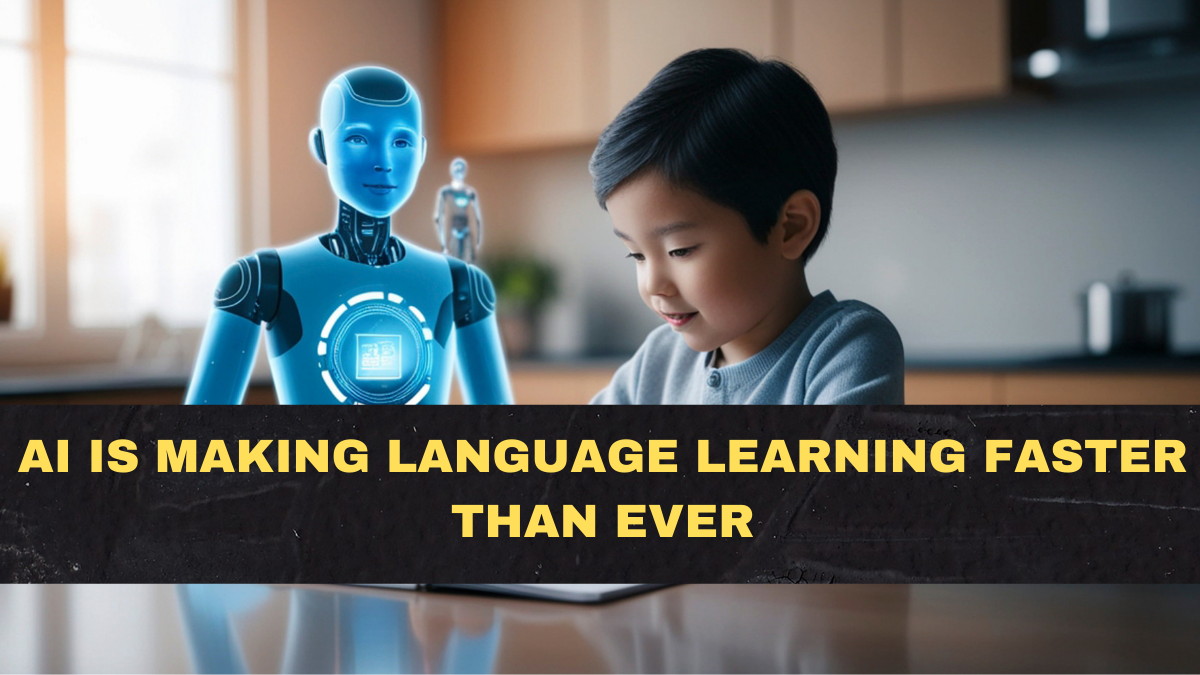
Learning a new language used to mean classrooms, textbooks, and years of slow progress. In 2026, that model feels outdated. AI powered language learning is compressing timelines by delivering instant feedback, adaptive practice, and immersive exposure that adjusts to how each learner actually thinks. The result is faster fluency, fewer plateaus, and far less frustration.
This shift isn’t just about convenience. With edtech AI embedded into everyday apps and devices, language learning has become continuous rather than scheduled. Add real time translation into the mix, and the boundary between learning and using a language is disappearing.
What AI Powered Language Learning Actually Is
AI powered language learning uses machine learning to personalize how languages are taught and practiced.
Core capabilities include:
• Adaptive lesson difficulty
• Pronunciation analysis and correction
• Grammar feedback in context
• Vocabulary reinforcement based on usage
• Conversational simulations
Instead of following a fixed syllabus, learners follow a dynamic path.
Why Traditional Language Learning Was So Slow
Traditional methods assume uniform learning styles.
Key limitations included:
• One-size-fits-all pacing
• Delayed feedback
• Limited speaking practice
• Focus on memorization over usage
AI removes these bottlenecks by responding instantly.
How Real Time Translation Accelerates Learning
Real time translation doesn’t replace learning—it scaffolds it.
It helps learners by:
• Reducing fear of making mistakes
• Allowing immediate comprehension
• Reinforcing correct structures through exposure
• Enabling real-world practice sooner
Understanding comes first. Mastery follows faster.
How EdTech AI Personalizes Practice
Edtech AI tracks patterns humans miss.
It personalizes by:
• Identifying recurring mistakes
• Adjusting repetition intelligently
• Prioritizing weak skills
• Matching content to interests
Learning becomes relevant, not repetitive.
Why Pronunciation Improves Faster With AI
Pronunciation is where many learners stall.
AI improves it through:
• Phoneme-level feedback
• Accent-specific guidance
• Visual mouth and sound cues
• Unlimited, judgment-free practice
Feedback that once required a native speaker is now always available.
Conversational AI and Speaking Confidence
Speaking is the hardest skill to practice alone.
Conversational AI helps by:
• Simulating real dialogues
• Adapting responses naturally
• Correcting errors without interruption
• Building confidence through repetition
Practice happens without social pressure.
How AI Handles Grammar Differently
Grammar is no longer taught as rules first.
AI emphasizes:
• Contextual correction
• Pattern recognition
• Usage-based learning
• Gradual internalization
Learners absorb structure through use, not memorization.
Why Adults Are Learning Faster Than Ever
Adults often struggled with language learning in the past.
AI helps adults by:
• Respecting time constraints
• Skipping known basics
• Focusing on practical usage
• Aligning with real goals
Efficiency matters more than perfection.
Limits of AI in Language Learning
AI is powerful, but not complete.
Limitations include:
• Cultural nuance understanding
• Emotional tone and humor
• Deep idiomatic context
• Human conversation unpredictability
Human interaction still completes the learning loop.
How Classrooms Are Adapting
Classrooms aren’t disappearing—they’re evolving.
New roles include:
• Teachers as conversation facilitators
• AI as practice engine
• Group interaction for cultural learning
AI handles drills. Humans handle depth.
What This Means for Global Communication
Language barriers are lowering faster than expected.
By late 2026:
• Multilingual collaboration increases
• Language learning becomes ongoing
• Fluency timelines shrink
• Access expands beyond classrooms
Language becomes a skill anyone can realistically acquire.
Conclusion
AI powered language learning is transforming how quickly and confidently people acquire new languages. With edtech AI enabling personalization and real time translation reducing friction, learning shifts from slow accumulation to active use. In 2026, fluency isn’t about talent—it’s about tools.
Languages are no longer learned someday. They’re learned daily.
FAQs
What is AI powered language learning?
It’s the use of AI to personalize lessons, feedback, and practice for faster language acquisition.
Does real time translation stop people from learning?
No. It supports comprehension while reinforcing correct language exposure.
Can AI replace language teachers?
No. Teachers remain essential for cultural context and advanced interaction.
Is pronunciation learning better with AI?
Yes, because feedback is immediate and endlessly repeatable.
Who benefits most from AI language learning?
Busy adults, beginners, and self-learners benefit the most.