The creator economy traffic shift 2026 isn’t a trend—it’s a response. As search referrals thin out and AI summaries absorb clicks, publishers are redirecting effort toward platforms that still push distribution: YouTube and TikTok. This isn’t about chasing virality. It’s about rebuilding reliable reach where discovery is still native, not conditional.
Here’s what’s actually changing—and how publishers are adapting without burning their brands.
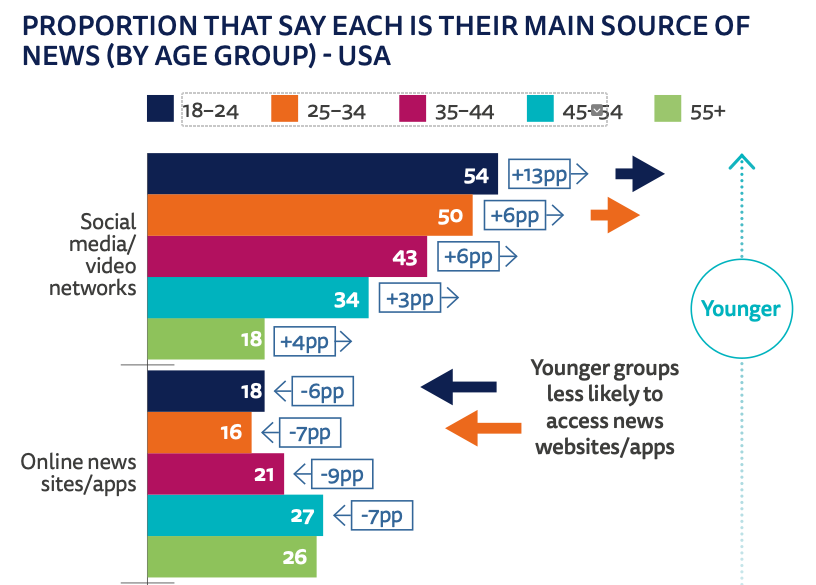
Why Search Traffic Is No Longer a Stable Base
Search used to reward completeness. Now it rewards answers—often without the click.
What changed:
-
Zero-click results expanded
-
AI summaries compress intent
-
News referral volatility increased
This forced the creator economy traffic shift 2026 toward platforms that surface content proactively.
Why YouTube Works When Search Doesn’t
YouTube distributes watch time, not pages.
That matters because:
-
Discovery is algorithmic and continuous
-
Older videos keep resurfacing
-
Authority compounds with consistency
A solid YouTube strategy can outperform dozens of SEO pages in sustained reach.
TikTok Distribution: Fast Reach, Different Rules
TikTok isn’t YouTube—but it’s powerful.
Why publishers use it:
-
Rapid testing of ideas
-
Low barrier to discovery
-
Trend participation without legacy baggage
But TikTok distribution favors formats over brands. Publishers must adapt tone without losing identity.
What Content Actually Works on These Platforms
Repurposing articles doesn’t work. Reframing does.
High-performing formats:
-
One clear takeaway per video
-
Opinion-led explainers
-
“Why this matters” breakdowns
-
Visual-first storytelling
Narrative beats completeness every time.
The Role of News in the Creator Shift
Traditional news referral traffic is unstable—especially during slow cycles.
Creator platforms offer:
-
Consistent baseline views
-
Contextual updates without headline churn
-
Personality-driven trust
This turns publishers from outlets into voices.
Why This Isn’t Just About Video
The shift is structural.
Creators control:
-
Audience relationship
-
Distribution timing
-
Monetization paths
Publishers following the creator economy traffic shift 2026 are rebuilding direct reach—not just chasing views.
How Monetization Changes With the Shift
Revenue diversifies.
Common paths:
-
Platform ad share
-
Sponsorship integrations
-
Memberships and newsletters
-
Affiliate education content
Traffic becomes leverage—not the product.
The Biggest Mistake Publishers Make
Trying to look like creators overnight.
That fails because:
-
Trust takes time
-
Format mastery matters
-
Platform culture is unforgiving
Successful pivots respect platform grammar and brand voice.
A Practical Transition Model That Works
What smart publishers do:
-
Pick one platform first
-
Train a small internal creator team
-
Build repeatable formats
-
Measure retention, not virality
This keeps risk controlled.
Why Short-Form Is the Gateway, Not the Goal
Short-form opens doors. Long-form builds depth.
The best setups:
-
Shorts for discovery
-
Long-form for authority
-
Owned channels for retention
Each layer feeds the next.
How This Affects Editorial Thinking
Editors now think in:
-
Hooks, not headlines
-
Angles, not coverage
-
Episodes, not articles
That’s the mental shift behind the creator economy traffic shift 2026.
Who Wins in This New Playbook
Winners are publishers who:
-
Embrace personality without sacrificing accuracy
-
Ship consistently
-
Accept experimentation
Losers cling to legacy distribution alone.
Conclusion
The creator economy traffic shift 2026 is publishers adapting to reality—not abandoning standards. YouTube and TikTok offer what search no longer guarantees: discovery at scale. The new playbook isn’t about chasing trends; it’s about rebuilding distribution where audiences actually spend time. Those who move early build compounding reach. Those who wait fight for scraps.
FAQs
Why are publishers moving to YouTube and TikTok?
Because these platforms still push discovery even as search referrals decline.
Is this shift permanent?
Likely yes—distribution power has structurally moved toward platforms.
Do publishers need to become influencers?
No. They need consistent formats and clear voices, not influencer personas.
Which platform should publishers start with?
YouTube for depth and compounding reach; TikTok for fast testing and discovery.
Does this replace SEO entirely?
No. It complements SEO by diversifying traffic sources.