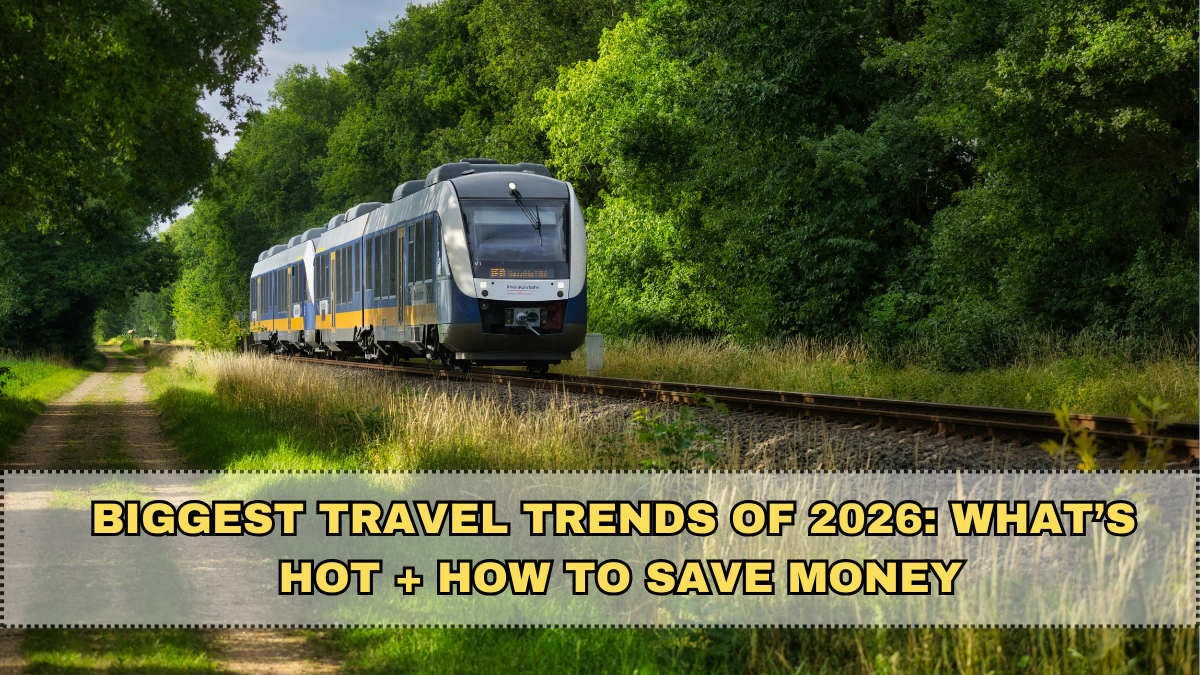
Travel in 2026 is no longer about ticking destinations off a list. People are traveling less frantically, more intentionally, and with sharper cost awareness. The biggest travel trends 2026 show a clear shift: slower journeys, alternative routes, rail over air, and experiences that feel personal rather than performative.
If your travel plans still revolve around crowded hotspots and rushed itineraries, you’re paying more for less. Here’s what’s actually trending—and how smart travelers are saving money without sacrificing experience.

Why Travel Behavior Changed in 2026
The shift didn’t happen overnight.
Key forces behind travel trends 2026:
• Travel fatigue from overcrowding
• Rising flight and accommodation costs
• Desire for meaningful experiences
• Better planning tools and transparency
People want value, not just movement.
Slow Travel Is Replacing Checklist Tourism
Slow travel isn’t a buzzword anymore—it’s the default for experienced travelers.
What slow travel looks like:
• Fewer cities, longer stays
• Local transport instead of constant flights
• Neighborhood stays over tourist zones
• Flexible, open itineraries
Slower pace often costs less and delivers more.
Luxury Rail and Long-Distance Trains Are Back
Rail travel is having a serious comeback.
Why trains fit travel trends 2026:
• Lower stress than airports
• Scenic, productive travel time
• Competitive pricing on longer routes
• Better baggage flexibility
Luxury rail isn’t always expensive—it’s often a smarter alternative to short-haul flights.
New Routes Are Beating Overcrowded Hotspots
Travelers are deliberately avoiding saturated destinations.
What’s happening instead:
• Secondary cities gaining popularity
• Border regions becoming bases
• Alternative entry points replacing major hubs
New routes mean:
• Cheaper stays
• Fewer crowds
• Better local interaction
Following the crowd now guarantees higher costs.
Off-Season Travel Is the New Peak Strategy
Peak season is losing its appeal.
Why off-season works:
• Lower accommodation prices
• Easier bookings
• More authentic experiences
• Flexible upgrades
In travel trends 2026, timing matters more than destination.
Shorter Flights, Longer Stays
People are flying less frequently—but staying longer.
This trend is driven by:
• Flight fatigue
• Cost per journey awareness
• Remote and hybrid work flexibility
One flight + two weeks beats three flights + rushed weekends.
Accommodation Choices Are Getting Smarter
Hotels aren’t disappearing—but they’re not default.
Trends include:
• Serviced apartments
• Long-stay discounts
• Local guesthouses
• Home-style rentals
Stays with kitchens reduce food costs dramatically.
Experience-Led Travel Over Sightseeing
Photos aren’t the goal anymore.
People are prioritizing:
• Workshops and local classes
• Food trails
• Nature-based activities
• Cultural immersion
Experiences age better than selfies—and often cost less.
Budget Awareness Without Budget Travel Stigma
Saving money isn’t seen as “cheap” anymore.
Smart savings strategies:
• Price tracking before booking
• Flexible date searches
• Bundling transport + stays
• Avoiding add-on traps
The smartest travelers are also the most cost-conscious.
Domestic and Regional Travel Is Gaining Ground
Not every trip needs a passport stamp.
Why regional travel fits travel trends 2026:
• Lower costs
• Shorter planning cycles
• Easier logistics
• Reduced travel fatigue
People are exploring closer—and discovering more.
Travel Planning Is Becoming Modular
Rigid itineraries are out.
Modern planning looks like:
• Flexible arrival and exit points
• Optional activity blocks
• Backup plans instead of fixed schedules
Flexibility protects both budget and sanity.
Travel Tech Is Helping, Not Overwhelming
Tools are finally simplifying travel.
Useful tech trends:
• Transparent pricing
• Better cancellation visibility
• Clear baggage rules
• Honest reviews
Less guessing = fewer expensive mistakes.
What’s Quietly Fading in 2026 Travel
Not everything survived.
Declining trends:
• Overpacked itineraries
• Destination hopping for content
• Overpriced “Instagram” cafes
• Rigid group tours
Travel is becoming personal again.
How to Save Money While Following 2026 Trends
This isn’t about cutting joy—it’s about cutting waste.
Do this:
• Travel slower
• Choose alternative routes
• Stay longer in one place
• Avoid peak dates
• Eat where locals eat
Costs drop naturally when decisions improve.
Who These Travel Trends Suit Best
These trends work especially well if you:
• Value experience over volume
• Travel independently
• Work remotely or flexibly
• Dislike crowds
If you still want fast-paced tourism, expect higher costs.
Common Mistakes Travelers Still Make
Avoid these:
• Booking flights before planning stays
• Ignoring local transport options
• Overloading daily schedules
• Chasing trends blindly
Good travel planning removes friction, not adds it.
Conclusion
The biggest travel trends 2026 point to one truth: better travel is calmer, slower, and more intentional. Luxury rail, new routes, off-season timing, and experience-led journeys are replacing rushed tourism. Travelers who adapt to these shifts spend less, enjoy more, and come back rested instead of exhausted.
Travel smarter—not faster.
FAQs
What is the biggest travel trend in 2026?
Slow travel with longer stays and fewer destinations.
Is luxury rail travel expensive?
Not always. On many routes, it competes well with flights when you factor comfort and baggage.
How can I save money while traveling in 2026?
Travel off-season, stay longer in one place, and avoid overcrowded hotspots.
Are new travel routes safer and practical?
Yes, many alternative routes are well-developed and less congested.
Is domestic travel still worth it in 2026?
Absolutely. Regional travel offers better value and easier planning.