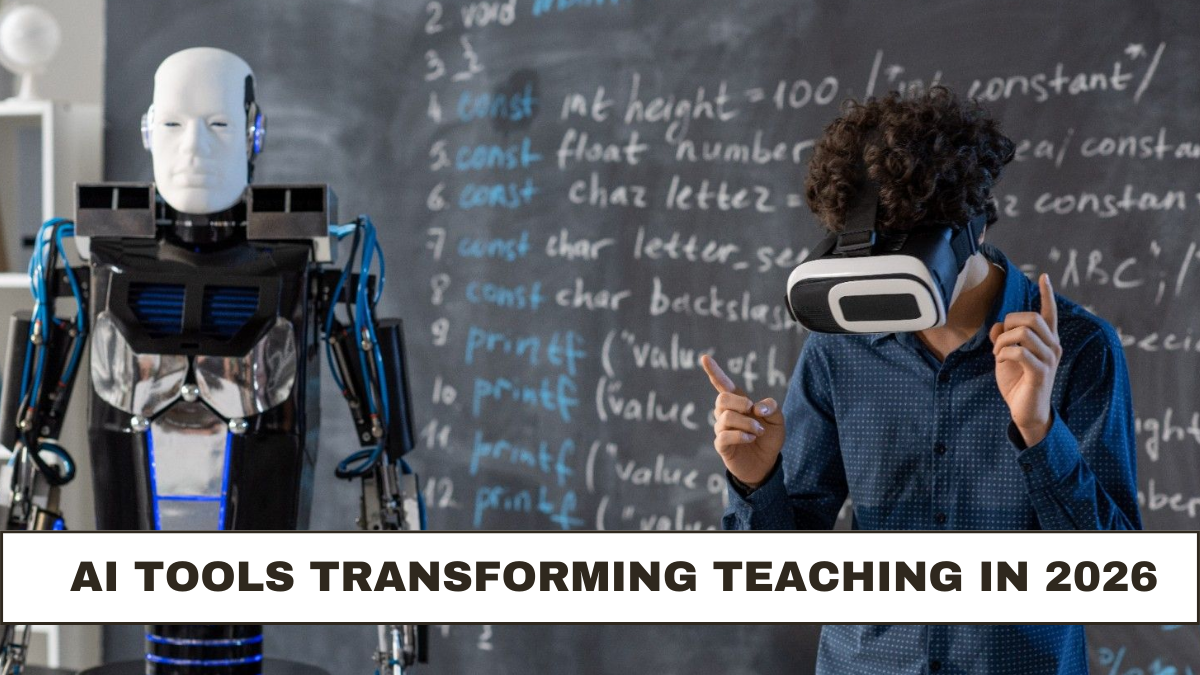
In 2026, AI for teachers is reshaping the educational landscape, offering tools that improve classroom management, enhance student engagement, and streamline administrative tasks. Educational AI solutions and advanced classroom tech are no longer optional—they are becoming essential components of modern teaching.
From personalized learning experiences to predictive analytics, AI empowers educators to work smarter while catering to diverse student needs.
Why AI for Teachers Is Trending in 2026
The adoption of AI in education is driven by the need for efficiency, personalization, and data-driven insights. Key factors influencing the rise of AI for teachers include:
• Growing class sizes and diverse learning needs
• Demand for personalized learning pathways
• Automation of administrative tasks such as grading and attendance
• AI-powered tools for monitoring student progress and engagement
• Integration of interactive technologies in hybrid or online classrooms
These innovations allow teachers to focus more on teaching and less on repetitive administrative work.
Personalized Learning with AI
One of the most transformative aspects of educational AI is personalized learning. AI systems analyze student performance and adapt lessons to individual learning styles.
Key features include:
• Adaptive quizzes and assignments tailored to skill levels
• Real-time feedback to support students immediately
• AI tutors providing extra help for struggling learners
• Data-driven insights to guide teaching strategies
• Customized lesson pacing to accommodate different learning speeds
Personalization ensures every student receives the support they need to succeed.
AI-Powered Classroom Tech
Advanced classroom tech enhances both teaching and learning experiences. AI tools are integrated into smart boards, tablets, and virtual platforms to make learning interactive and engaging.
Innovative uses include:
• Virtual classrooms with AI-driven participation tracking
• Interactive simulations for complex concepts
• AI-generated content and teaching materials
• Gamified learning experiences powered by AI
• Smart analytics dashboards for teachers to monitor class performance
These technologies make education more immersive, efficient, and measurable.
Automating Administrative Tasks
One of the biggest benefits of AI for teachers is automation. AI can handle repetitive tasks, freeing up educators’ time for teaching and mentoring.
Tasks AI can assist with include:
• Grading multiple-choice and short-answer tests
• Tracking attendance and participation
• Generating progress reports and student performance summaries
• Scheduling parent-teacher meetings
• Managing classroom resources efficiently
Automation reduces teacher workload and improves overall productivity.
Enhancing Student Engagement
Engagement is critical for learning, and AI tools are designed to make lessons more interactive and adaptive to student needs.
Popular strategies include:
• AI-powered quizzes with instant feedback
• Personalized learning paths that challenge students appropriately
• Virtual reality (VR) and augmented reality (AR) simulations
• Chatbots for answering student queries in real-time
• Gamified exercises to motivate participation
By increasing engagement, AI contributes to better learning outcomes and higher retention rates.
Data-Driven Insights for Educators
AI provides teachers with data-driven insights that can improve lesson planning and identify gaps in student understanding.
Benefits include:
• Predicting areas where students may struggle
• Identifying learning patterns across the classroom
• Tailoring interventions for individual or group needs
• Assessing the effectiveness of teaching methods
• Making informed decisions about curriculum adjustments
These insights help teachers make evidence-based decisions to enhance education quality.
Future of AI in Classrooms
As AI for teachers evolves, classrooms will become more adaptive, interactive, and inclusive. Emerging trends for 2026 include:
• Integration of AI with virtual and hybrid learning environments
• Tools for collaborative learning and peer engagement
• AI-assisted lesson planning and content creation
• Predictive analytics for student success
• Ethical AI use ensuring privacy and equity in education
AI is transforming not just how students learn, but how teachers teach, making education smarter, faster, and more personalized.
Conclusion
AI for teachers in 2026 is revolutionizing education through educational AI and advanced classroom tech. By enabling personalized learning, automating administrative tasks, enhancing engagement, and providing data-driven insights, AI empowers teachers to focus on what matters most: fostering student growth and success. As technology continues to evolve, AI will remain a vital tool for modern classrooms, supporting teachers and transforming learning experiences across the globe.
FAQs
How is AI helping teachers in 2026?
AI assists with personalized learning, administrative automation, student engagement, and data-driven insights.
What are examples of AI-powered classroom tech?
Interactive smart boards, adaptive learning platforms, VR/AR simulations, and AI tutors are widely used.
Can AI replace teachers?
No, AI enhances teaching by reducing repetitive tasks and supporting decision-making, but human guidance remains essential.
How does AI improve student engagement?
AI personalizes learning, provides instant feedback, gamifies lessons, and uses VR/AR for interactive experiences.
Is AI in education ethical and safe?
Yes, ethical frameworks and privacy measures ensure AI tools are used responsibly and equitably in classrooms.
Click here to know more.