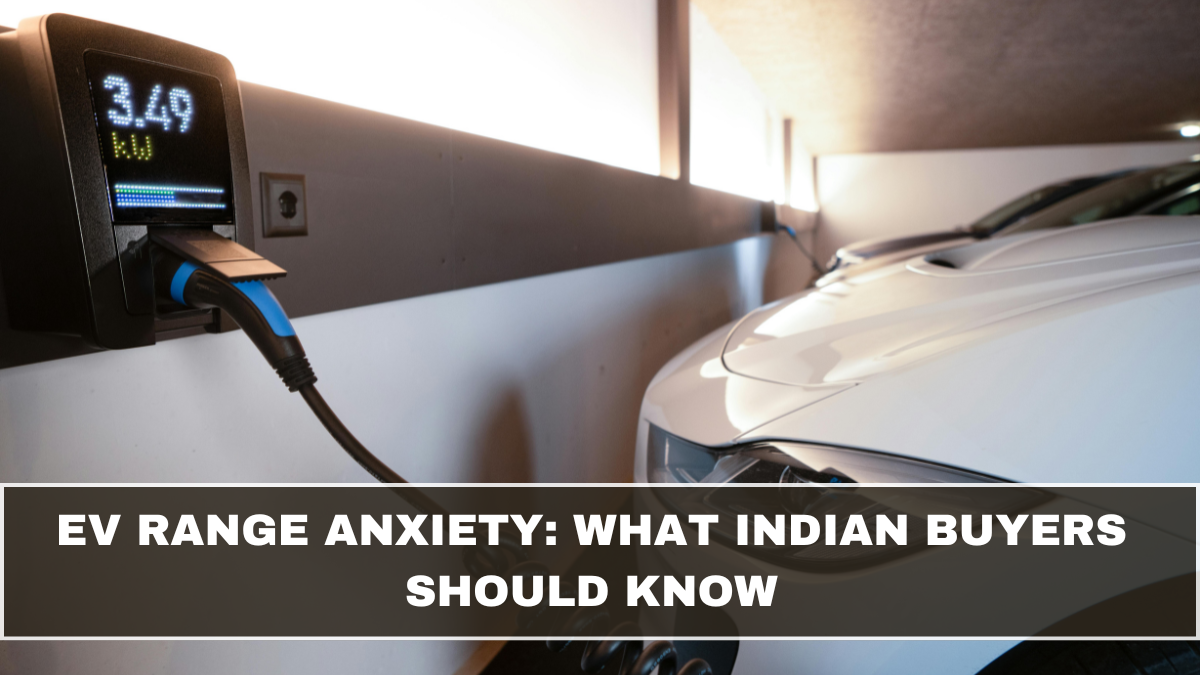
As electric scooters and bikes gain popularity in India, many potential buyers face EV scooter range anxiety—the fear that their vehicle might run out of charge before reaching their destination. While electric vehicles (EVs) are touted as the future of sustainable mobility, range concerns remain a significant barrier for mass adoption in urban and semi-urban India.
Understanding the causes, impacts, and solutions for range anxiety is crucial for Indian consumers considering the switch from petrol-powered vehicles.
What Is EV Range Anxiety?
EV scooter range anxiety occurs when users worry about the limited battery range of their electric vehicles. Unlike traditional petrol vehicles, EVs require careful planning around charging, especially in regions with fewer charging stations. This concern can affect commuting patterns, purchase decisions, and overall confidence in EV adoption.
Factors Contributing to Range Anxiety in India
Several factors intensify EV scooter range anxiety for Indian buyers:
• Limited charging infrastructure in smaller towns and highways
• Inconsistent or unreliable charging stations
• Misconceptions about battery longevity and performance
• Higher battery degradation in extreme weather conditions
• Lack of clear range indicators or smart monitoring tools
These issues make buyers cautious, slowing down the adoption of electric scooters and two-wheelers.
How Indian EV Brands Are Addressing Range Anxiety
Manufacturers and startups are actively responding to consumer concerns:
-
Improved Battery Technology – Lithium-ion batteries with higher energy density offer longer ranges per charge.
-
Faster Charging Options – Public charging points and rapid chargers reduce downtime significantly.
-
Swappable Batteries – Some EVs allow quick battery swaps at designated stations, eliminating range worries.
-
Smart Range Indicators – Digital dashboards and mobile apps help riders monitor battery health and plan routes efficiently.
-
Test Drives and Education – Brands educate consumers on actual range performance under Indian conditions, reducing misconceptions.
These initiatives aim to reduce EV scooter range anxiety and boost confidence in electric mobility.
Tips for Indian Buyers to Manage Range Anxiety
Consumers can take practical steps to mitigate range concerns:
• Plan routes with charging stations in mind
• Opt for EVs with higher battery capacity suitable for daily commute
• Charge vehicles regularly instead of waiting for full depletion
• Use energy-saving modes and avoid aggressive riding styles
• Monitor battery health through apps or onboard systems
By adopting these practices, Indian riders can enjoy EVs with minimal stress.
Benefits of Overcoming Range Anxiety
Addressing range anxiety encourages adoption and delivers multiple advantages:
• Increased confidence in using EVs for longer commutes
• Reduced reliance on petrol and contribution to cleaner cities
• Lower operational costs due to efficient energy use
• Enhanced trust in EV technology and brands
• Promotion of a sustainable lifestyle among urban populations
These benefits show why managing range anxiety is critical for India’s EV revolution.
Role of Government and Infrastructure
Government initiatives are playing a key role in mitigating EV scooter range anxiety:
• Expanding public charging networks under FAME schemes
• Subsidies and incentives for home and workplace chargers
• Support for battery swapping infrastructure
• Policy frameworks encouraging EV adoption in cities and highways
Such measures make electric mobility more practical and appealing to Indian consumers.
Future Outlook
With ongoing technological advances and infrastructure development:
• EV battery ranges are expected to improve consistently
• Charging stations will become more widespread and reliable
• Smart mobility solutions will integrate route planning with charging availability
• Consumer confidence in electric scooters will rise, reducing range anxiety
These developments suggest a positive future for EV adoption in India.
Conclusion
EV scooter range anxiety is a real concern for Indian buyers, but technological innovations, infrastructure expansion, and user awareness are steadily addressing it. By understanding battery capabilities, planning commutes, and using smart tools, consumers can embrace electric mobility confidently. With support from brands and government initiatives, India is moving toward a cleaner, more sustainable future where range anxiety is minimized and EV adoption becomes mainstream.
FAQs
What is EV scooter range anxiety?
It is the fear that an electric scooter might run out of battery before reaching a destination, affecting confidence in EVs.
Why is range anxiety common in India?
Limited charging infrastructure, battery concerns, and lack of awareness about real-world EV performance contribute to range anxiety.
How are brands addressing this issue?
Through higher-capacity batteries, fast charging, swappable batteries, smart monitoring apps, and consumer education.
What can buyers do to reduce range anxiety?
Plan routes with chargers, charge regularly, choose appropriate battery capacity, and use energy-saving modes.
Is range anxiety expected to decrease in the future?
Yes, as battery technology improves, charging stations expand, and smart mobility solutions are adopted, range anxiety will reduce significantly.
Click here to know more.