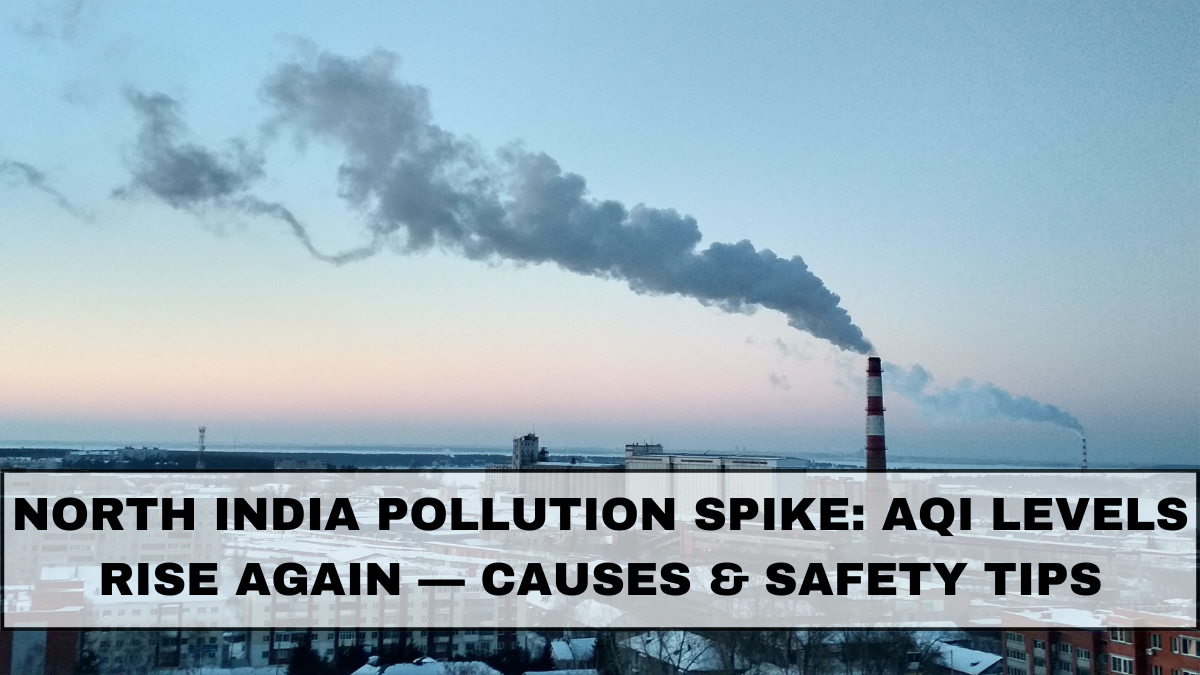
The recent Air pollution surge North India in 2025 has drawn widespread concern as AQI levels reach unhealthy highs, particularly in Delhi and surrounding cities. Winter pollution combined with smoke from crop burning, vehicular emissions, and industrial output has caused smog to blanket urban areas, affecting millions of residents. With the visibility dropping and respiratory problems on the rise, public attention has shifted to Delhi smog and broader health risks associated with poor air quality.
Understanding the causes, impact, and preventive measures is crucial for residents and travelers in North India during the winter months.
Why Air Pollution Surges in North India
Several factors contribute to the annual spike in Air pollution surge North India:
• Crop residue burning – Farmers burn wheat and rice stubble in Punjab, Haryana, and Uttar Pradesh
• Vehicular emissions – Heavy traffic in metropolitan areas increases particulate matter
• Industrial pollution – Factories release pollutants into the atmosphere
• Weather conditions – Low wind speeds, cold temperatures, and temperature inversion trap smog
• Fireworks and burning waste – Seasonal festivals contribute to short-term spikes
These factors combine to create hazardous air quality, making winter pollution a recurring concern in North India.
AQI Levels and Health Implications
The AQI levels in Delhi and nearby regions have repeatedly crossed 300, entering the “very unhealthy” category. Key pollutants include PM2.5, PM10, NO2, and SO2. Exposure to high AQI levels can cause:
• Respiratory issues – Cough, asthma, and bronchitis flare-ups
• Eye irritation and watering
• Fatigue and headaches
• Aggravation of heart and lung conditions
• Increased risk of infections due to weakened immunity
Children, elderly individuals, and people with pre-existing health conditions are particularly vulnerable to the effects of Delhi smog.
Steps to Reduce Exposure
Residents are adopting various strategies to cope with the Air pollution surge North India:
• Stay indoors during peak smog hours – Morning and evening hours often have the highest AQI
• Use air purifiers at home – Filters remove fine particulate matter
• Wear N95 or N99 masks – Protects lungs during outdoor travel
• Close windows and doors – Prevents outdoor pollution from entering living spaces
• Maintain hydration – Helps clear respiratory tract and reduces irritation
Simple behavioral changes can significantly reduce exposure and health risks during pollution spikes.
Pollution Monitoring and Alerts
Authorities and apps provide real-time information about AQI levels:
• Government portals and apps – Central Pollution Control Board (CPCB) updates
• Weather and pollution apps – Provide localized AQI data and alerts
• Social media updates – Community groups share smog warnings and safety tips
Monitoring AQI helps individuals plan outdoor activities and protect vulnerable family members.
Preventive Measures and Community Actions
Beyond personal measures, community and governmental actions are crucial:
• Regulation of crop burning – Encouraging farmers to adopt alternatives like mulching or bio-decomposers
• Traffic management – Promoting public transport and reducing vehicular congestion
• Industrial emission control – Strict implementation of pollution norms
• Green cover expansion – Planting trees to absorb pollutants and improve air quality
• Public awareness campaigns – Educating citizens about smog, pollution, and safety practices
Collaborative efforts can mitigate the recurring winter pollution crisis in North India.
Health Remedies and Lifestyle Adjustments
During high AQI periods, residents are also adopting supportive health practices:
• Steam inhalation and saline nasal sprays – Reduce respiratory discomfort
• Balanced diet with antioxidants – Fruits and vegetables that help combat oxidative stress
• Indoor physical activity – Yoga, stretching, or light workouts instead of outdoor exercise
• Avoid smoking and indoor pollutants – Reduce overall exposure to respiratory irritants
Integrating these remedies with preventive measures ensures holistic protection against smog-related health issues.
Conclusion
The Air pollution surge North India in 2025 highlights the recurring challenges of Delhi smog and high AQI levels. While weather and geographical factors contribute to winter pollution, understanding the causes, monitoring air quality, and adopting personal and community measures can significantly reduce risks. With the adoption of masks, air purifiers, lifestyle adjustments, and policy-driven interventions, residents can safeguard their health while authorities work toward long-term solutions to make North India’s winters cleaner and safer.
FAQs
What causes the winter air pollution surge in North India?
Crop residue burning, vehicular emissions, industrial output, cold weather, and festival-related burning are the primary causes.
How do AQI levels affect health?
High AQI can cause respiratory issues, eye irritation, fatigue, and exacerbate heart and lung conditions.
What precautions should residents take during high AQI periods?
Stay indoors, use air purifiers, wear N95 masks, close windows, and stay hydrated.
Are children and elderly more vulnerable to pollution?
Yes, they are more susceptible to respiratory and cardiovascular effects from poor air quality.
What long-term solutions can reduce North India’s winter pollution?
Promoting green cover, regulating crop burning, controlling industrial emissions, and encouraging public transport are key measures.
Click here to know more.