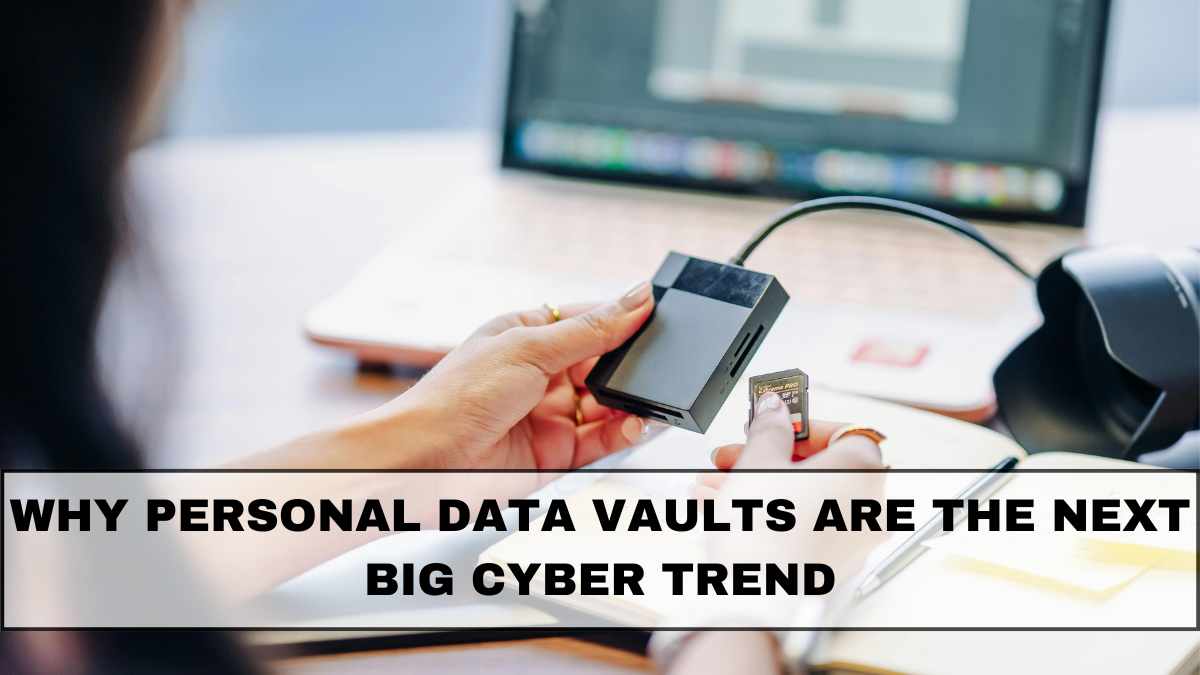
In 2025, cybersecurity and digital privacy are more critical than ever. With increasing online activity, data breaches, and identity theft, individuals and businesses are seeking safer ways to protect sensitive information. Personal data vaults have emerged as a key solution, offering secure, encrypted storage and giving users full control over their personal and financial data. These digital vaults are quickly becoming a must-have cybersecurity tool for tech-savvy individuals and organizations alike.
What Are Personal Data Vaults?
Personal data vaults are digital storage systems designed to securely hold sensitive information such as passwords, identification documents, financial records, and personal files. Unlike conventional cloud storage, these vaults emphasize privacy, encryption, and user control. Key features include:
-
End-to-End Encryption: Ensures data remains private and unreadable without authorized access.
-
Multi-Factor Authentication (MFA): Adds layers of security for accessing the vault.
-
Decentralized Storage Options: Reduces risks associated with centralized servers.
-
Access Logs and Monitoring: Track who accesses the data and when.
-
Backup and Recovery: Protects against data loss due to cyberattacks or hardware failures.
These features make personal data vaults a comprehensive solution for digital security and privacy management.
Why Personal Data Vaults Are Becoming Essential
With the growth of digital ecosystems, personal data vaults address critical security concerns:
-
Protection Against Cybercrime
Hackers increasingly target personal and financial information. Vaults safeguard sensitive data from theft, ransomware, and phishing attacks. -
Enhanced Privacy
Users maintain control over what information is stored and shared, reducing exposure to unauthorized tracking or surveillance. -
Centralized Secure Management
A personal data vault consolidates passwords, documents, and digital identities in one secure location, simplifying management. -
Compliance with Privacy Regulations
Individuals and businesses can adhere to data privacy regulations such as GDPR and local cybersecurity laws. -
Peace of Mind
Knowing sensitive data is encrypted and monitored provides reassurance for both personal and professional users.
These advantages are driving increased adoption among young professionals, entrepreneurs, and privacy-conscious individuals.
Popular Types of Personal Data Vaults
Personal data vaults vary in design and functionality:
-
Cloud-Based Vaults: Offer accessibility from multiple devices but rely on trusted service providers.
-
Hardware Vaults: Physical devices that store encrypted data offline for maximum security.
-
Hybrid Vaults: Combine cloud accessibility with offline backups for flexibility and safety.
-
Decentralized or Blockchain Vaults: Use distributed networks to enhance security and reduce hacking risks.
Choosing the right vault depends on a user’s privacy requirements, technical expertise, and the type of data to protect.
How Personal Data Vaults Work
Personal data vaults employ advanced security technologies to ensure comprehensive protection:
-
Encryption Algorithms: Data is encrypted before storage, and decryption requires user authorization.
-
Authentication Protocols: Passwords, biometrics, and MFA prevent unauthorized access.
-
Secure Cloud or Device Storage: Ensures physical and virtual protection against breaches.
-
Activity Monitoring: Logs every access attempt, alerting users to suspicious activity.
-
Data Recovery Systems: Safeguard against accidental deletion, cyberattacks, or technical failures.
This layered approach creates a highly secure environment for sensitive digital assets.
Why Personal Data Vaults Are Trending in 2025
The surge in popularity of personal data vaults is fueled by several trends:
-
Rise in Cybersecurity Threats: Increasing data breaches, ransomware attacks, and identity theft incidents highlight the need for secure storage.
-
Remote Work and Digital Lifestyles: Professionals managing sensitive corporate and personal data remotely require secure, reliable solutions.
-
Regulatory Compliance: New privacy regulations in India and globally encourage secure data management practices.
-
Privacy Awareness Among Users: Millennials and Gen Z prioritize digital privacy and seek tools that enhance security.
-
Tech Integration: Modern vaults integrate with password managers, financial apps, and cloud services for convenience and efficiency.
These factors are making personal data vaults a must-have for both individuals and enterprises.
Benefits for Individuals and Organizations
Personal data vaults offer distinct advantages:
-
For Individuals: Protect financial information, health records, identity documents, and personal files from unauthorized access.
-
For Organizations: Secure client data, intellectual property, and confidential business records while maintaining compliance with privacy laws.
-
Enhanced Productivity: Streamlined data management reduces the risk of lost or mismanaged files.
-
Adaptability: Vaults can scale with increasing digital footprints, accommodating growing amounts of sensitive data.
These benefits reinforce the importance of vaults as a central tool in modern digital security.
Future of Personal Data Vaults
The future of personal data vaults looks promising:
-
AI-Powered Security: Machine learning algorithms may detect unusual activity and proactively prevent breaches.
-
Blockchain Integration: Distributed ledger technology could provide immutable and transparent data protection.
-
Seamless Digital Identity Management: Vaults may manage digital IDs, passwords, and biometrics across platforms.
-
IoT Security: Personal vaults could secure data from smart devices connected to homes and workplaces.
-
Customizable Privacy Controls: Users will have granular control over what data is shared, with whom, and for how long.
These developments suggest that personal data vaults will play a central role in the next era of cybersecurity.
FAQs
What is a personal data vault?
A personal data vault is a secure digital storage system designed to protect sensitive information such as passwords, documents, and financial data using encryption and advanced authentication.
Why are personal data vaults important in 2025?
They provide protection against cybercrime, enhance privacy, and help users manage digital identities securely in a world of increasing online threats.
Who can use personal data vaults?
Individuals, professionals, and organizations seeking secure storage for sensitive data can benefit from personal data vaults.
Are personal data vaults secure?
Yes, when using encryption, multi-factor authentication, and secure storage, personal data vaults offer robust protection against unauthorized access and cyberattacks.
What is the future of personal data vaults?
The future includes AI-powered security, blockchain integration, seamless identity management, IoT protection, and enhanced privacy controls.
Click here to know more.